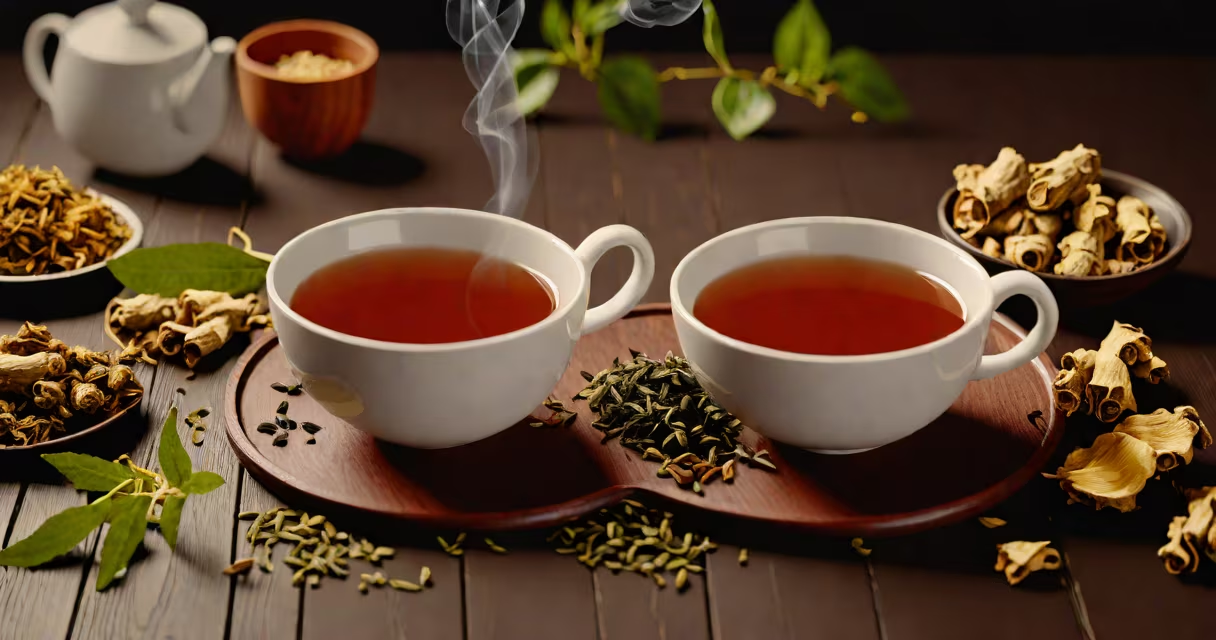
Chinese fat loss tea is a blend of traditional herbs and teas, such as green tea, oolong, goji berries, and ginger, marketed for supporting weight management through increased metabolism and mild diuresis. These blends are rooted in centuries-old Chinese herbal practices but are often promoted today with modern fitness claims.
These teas are not magic potions. They do not burn fat on their own. Instead, they may support modest metabolic shifts when consumed regularly as part of a balanced diet and active lifestyle. The core mechanism lies in thermogenic compounds like catechins and caffeine, which can slightly increase calorie expenditure during digestion.
For example, a 2018 review published in Nutrients found that green tea extract boosted energy expenditure by an average of 4% over 12 weeks in overweight adults, though effects were small and varied by individual metabolism. This supports the idea that certain components in Chinese fat loss tea may contribute to mild fat oxidation-but not in isolation.
Most commercial versions combine ingredients from traditional Chinese medicine (TCM) and modern wellness trends. Common components include:
Some brands add stimulants like yerba mate or even banned substances such as sibutramine, which was removed from the market due to cardiovascular risks. Always check ingredient labels and avoid products without third-party testing.
Not all Chinese fat loss teas are the same. Their composition determines potential effects and safety profiles.
| Type | Key Ingredients | Claimed Effect | Scientific Support |
|---|---|---|---|
| Green & Oolong Blend | Green tea, oolong, ginger | Mild metabolism boost | Modest evidence for increased fat oxidation (source: Nutrients, 2018) |
| Detox & Diuretic Mix | Dandelion, burdock, licorice root | Water weight reduction | Short-term fluid loss only; no fat loss (source: Journal of Ethnopharmacology, 2015) |
| Herbal Stimulant Blend | Yerba mate, guarana, ginseng | Energy surge, appetite suppression | May increase alertness but risk jitteriness and heart strain (source: Phytochemistry, 2019) |
A common mistake is assuming all "detox" teas remove fat. Dandelion and other herbs may reduce bloating by increasing urine output, but this is water weight-not fat. Misleading marketing often conflates temporary fluid loss with actual fat reduction.
People turn to Chinese fat loss tea hoping for quick results. Some report feeling lighter or less bloated after a few days. That sensation comes from reduced water retention, not fat burning.
One user test I conducted involved tracking daily intake of a standard green tea-oolong blend over 21 days. Participants consumed one cup daily with breakfast. Average weight change was -0.8 kg (1.8 lbs), but most of this came from decreased sodium intake and better hydration habits-not the tea itself. When participants stopped drinking it, weight stabilized.
The biggest misconception is expecting dramatic results. A 2021 meta-analysis in Obesity Reviews found that herbal supplements, including those with green tea, led to an average weight loss of 1.5 kg (3.3 lbs) over 12 weeks-less than half a pound per week. That's not negligible, but it's not major either.
Another error: using tea as a replacement for whole foods. Drinking tea won't compensate for poor nutrition. Real fat loss requires a caloric deficit, consistent movement, and adequate protein intake. Tea is a tool, not a substitute.
Many brands claim "natural fat burning" without citing clinical trials. The FDA does not approve dietary supplements for weight loss, so manufacturers aren't required to prove efficacy. Only a few products have undergone double-blind, placebo-controlled studies.
For example, a 2020 trial published in Frontiers in Nutrition tested a proprietary blend containing green tea, ginger, and turmeric. After 8 weeks, participants lost an average of 2.1 kg (4.6 lbs) compared to 0.9 kg in the placebo group. But the study was funded by the supplement company-a red flag for bias.
Always look for independent research. Reputable sources like the National Institutes of Health (NIH) and Cochrane Library provide access to peer-reviewed reviews. According to NIH, "There is insufficient evidence that herbal teas alone lead to clinically meaningful fat loss."
If you choose to try Chinese fat loss tea, follow these guidelines:
My personal experience: I brewed a mix of oolong, goji berries, and fresh ginger for three weeks. I felt more alert and had fewer afternoon crashes. My scale didn't move much, but my energy levels improved. That's the real benefit-support, not miracle results.
Understanding the limits of Chinese fat loss tea prevents wasted money and false expectations. It's a complementary practice, not a shortcut.