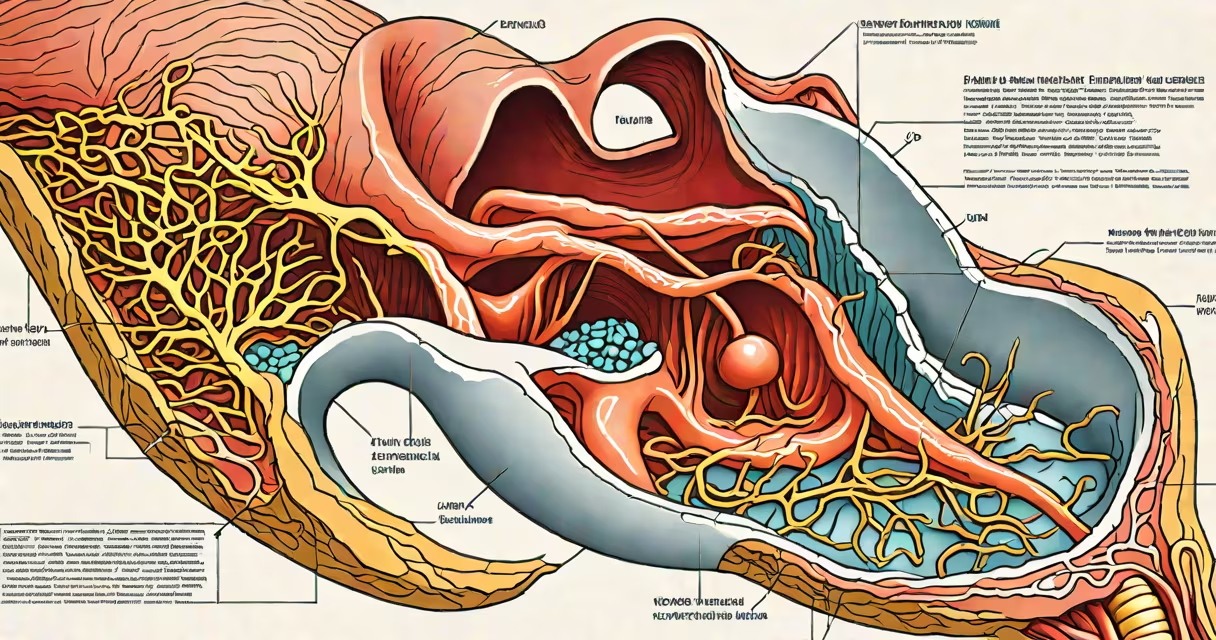
Yes, ulcers-particularly peptic ulcers in the stomach or duodenum-commonly cause nausea due to irritation of the gastrointestinal lining and disruption of normal digestion. Nausea often appears alongside upper abdominal pain, bloating, and loss of appetite.
Peptic ulcers develop when the protective mucus layer in the stomach or small intestine erodes, allowing gastric acid to damage underlying tissue. This breakdown triggers inflammation and nerve signaling that can activate the brain's vomiting center, leading to nausea. The condition affects about 4% of adults in the U.S., according to the American Gastroenterological Association.
Nausea from ulcers typically occurs after eating or when the stomach is empty. It may worsen with alcohol, NSAIDs like ibuprofen, or stress. Not all ulcers cause noticeable symptoms-some people have silent ulcers-but nausea is among the most frequently reported early signs.
The stomach lining contains specialized cells that secrete acid and enzymes to break down food. When an ulcer forms, this environment becomes disrupted. Acid exposure irritates nerve endings in the mucosa, sending signals to the brainstem that regulate nausea and vomiting.
Ulcers also impair the stomach's ability to empty properly. Delayed gastric emptying increases pressure and distension, which further stimulates nausea pathways. A 2021 study in *Gut* found that patients with Helicobacter pylori-associated ulcers had higher rates of nausea compared to those without the infection.
For example, a 42-year-old man with a history of daily ibuprofen use developed persistent upper abdominal burning and morning nausea. Endoscopy revealed a 1.2 cm duodenal ulcer. After treatment with proton pump inhibitors and antibiotics targeting H. pylori, his nausea resolved within two weeks.
There are two primary types of peptic ulcers:
| Type | Location | Common Symptoms | Link to Nausea |
|---|---|---|---|
| Stomach ulcer (gastric) | Stomach lining | Pain after meals, early satiety, weight loss | High - nausea often follows eating |
| Duodenal ulcer | First part of small intestine | Pain at night, relief with food, hunger-related nausea | Very high - nausea often before meals |
While both types can cause nausea, duodenal ulcers are more strongly linked to fasting-related nausea. This pattern occurs because acid production continues during sleep and on an empty stomach, increasing irritation.
Nausea alone doesn't confirm an ulcer. However, persistent nausea with other red flags demands medical evaluation. These include:
These signs suggest complications such as bleeding or perforation. The National Institute of Diabetes and Digestive and Kidney Diseases reports that approximately 10% of peptic ulcers bleed, and about 1% perforate. Both require emergency treatment.
Nausea from ulcers is often mistaken for gastritis, acid reflux, or functional dyspepsia. All share overlapping symptoms, but ulcers involve actual tissue damage visible on endoscopy. Functional dyspepsia lacks structural lesions and is diagnosed only after ruling out ulcers and other organic causes.
A key distinction: ulcers usually cause pain that follows a predictable pattern-duodenal ulcers hurt when the stomach is empty and ease with food, while gastric ulcers worsen after eating. Nausea aligns with this timing. Persistent nausea without a clear meal-related pattern may point to anxiety or other conditions.
For instance, a 35-year-old woman experienced daily nausea and mild epigastric discomfort. Initial diagnosis was anxiety-related nausea. But after six weeks of worsening symptoms and a 4-pound weight loss, she underwent endoscopy. A 0.8 cm gastric ulcer was found. Treatment with omeprazole and eradication therapy for H. pylori led to full resolution of symptoms in four weeks.
Doctors diagnose ulcers through endoscopy, where a flexible tube with a camera examines the stomach and duodenum. Biopsies may be taken to test for H. pylori. Blood tests for antibodies or stool antigen tests can also detect the bacterium.
Treatment focuses on reducing acid and healing the ulcer. Proton pump inhibitors (PPIs) like omeprazole reduce acid secretion. Antibiotics such as clarithromycin and amoxicillin are prescribed if H. pylori is present. Avoiding NSAIDs and alcohol is critical to prevent recurrence.
In clinical practice, PPIs improve nausea in 70-80% of ulcer patients within two weeks. For those who don't respond, further testing for resistant H. pylori strains or alternative diagnoses like gastrinomas is needed.
Seek prompt care if nausea persists beyond a few days, especially with:
Early intervention prevents complications. Left untreated, ulcers can lead to bleeding, obstruction, or perforation. The American College of Gastroenterology recommends endoscopy for anyone with suspected peptic ulcer disease.
Understanding the link between ulcers and nausea helps identify when symptoms demand medical attention. The presence of nausea alongside abdominal pain, weight loss, or blood in stool indicates a need for diagnostic evaluation. Early detection improves outcomes and prevents life-threatening complications.