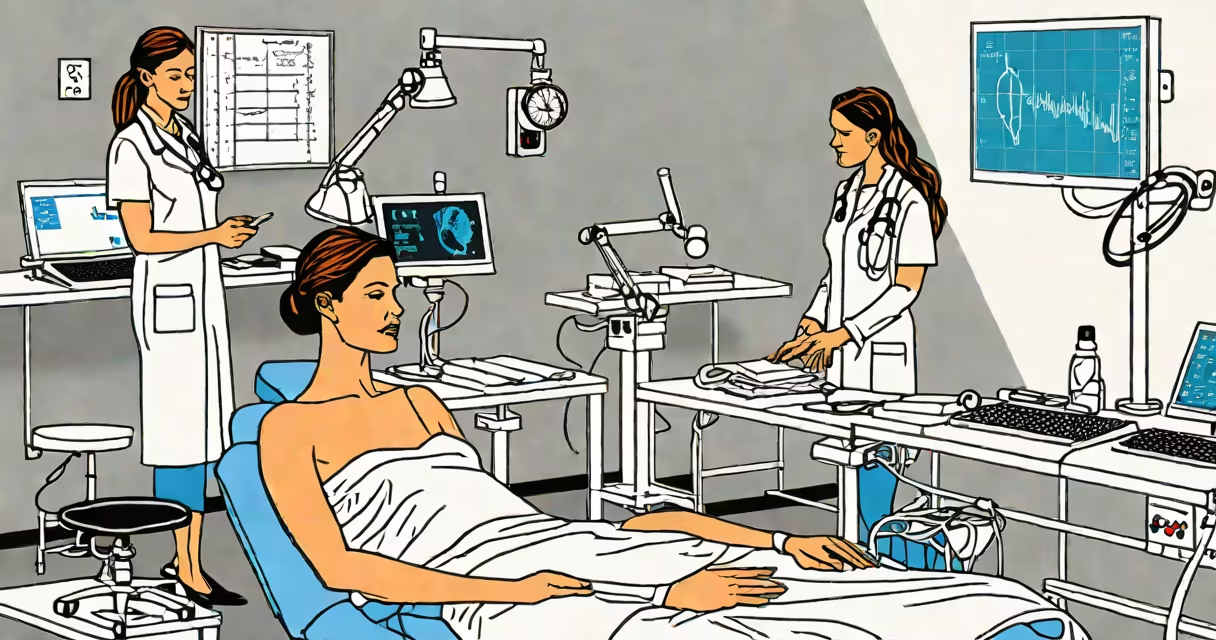
To become a registered nurse (RN), you must complete an accredited nursing program, pass the NCLEX-RN exam, and meet state-specific licensing requirements. This process typically takes two to four years and includes classroom instruction, hands-on clinical practice, and national certification.
Nursing education begins with formal coursework in anatomy, physiology, pharmacology, and patient care. Students learn how to assess patients, administer medications, and respond to emergencies. These classes are taught in colleges, universities, or vocational schools approved by the state board of nursing. The National Council of State Boards of Nursing (NCSBN) oversees the standards for curricula and testing.
After completing academic requirements, students enter clinical rotations in hospitals, clinics, or long-term care facilities. These rotations last between 500 and 1,000 hours depending on the program. You'll work under supervision in real-world settings-administering IVs, monitoring important signs, and assisting with procedures. Clinical experience is mandatory and cannot be waived.
Nursing pathways vary by degree level. Each path leads to eligibility for the NCLEX-RN exam, but differences exist in entry time, scope of practice, and career advancement.
| Program Type | Duration | Credential Earned | NCLEX Eligibility |
|---|---|---|---|
| Associate Degree in Nursing (ADN) | 2 years | Associate of Science in Nursing (ASN) | Yes |
| Bachelor of Science in Nursing (BSN) | 4 years | Bachelor's degree | Yes |
| Accelerated BSN (for non-nursing majors) | 12-18 months | Bachelor's degree | Yes |
| Master of Science in Nursing (MSN) | 2 years (post-BSN) | Master's degree | Yes (for advanced roles) |
ADN programs are common at community colleges and focus on core clinical skills. They prepare graduates for direct patient care in hospitals and outpatient centers. BSN programs include additional coursework in leadership, public health, and research. According to the American Association of Colleges of Nursing (AACN), 80% of new RN hires in 2023 were BSN-prepared, and many hospitals now require a bachelor's degree for employment.
Accelerated BSN programs allow individuals with prior degrees in other fields to transition into nursing. These intensive programs run year-round and demand full-time commitment. They cover the same material as traditional BSNs but compress it into less than two years. Students often report burnout due to high course loads and constant clinical shifts.
Nursing education is required in every U.S. state and territory. Licensing is administered by individual state boards, which enforce curriculum standards and exam eligibility. All states require passing the NCLEX-RN to practice legally. Failure to pass results in delayed employment and may require retaking the exam.
Hospitals, long-term care facilities, and outpatient clinics rely on trained nurses to deliver safe, effective care. A 2022 study by the Institute of Medicine found that hospitals with higher proportions of BSN-prepared nurses had lower patient mortality rates. For example, a 2021 analysis of 120 U.S. hospitals showed a 15% reduction in post-op complications when at least 60% of staff held BSNs.
Some specialties require additional training beyond basic RN qualifications. Nurse practitioners (NPs), for instance, must earn a master's or doctoral degree and complete advanced clinical hours. To become an NP, you need a BSN, RN license, and at least 500 supervised clinical hours in your specialty area. Specialties like neonatal ICU or oncology nursing often require certification through organizations such as the Pediatric Nursing Certification Board (PNCB).
Many assume that earning a nursing license means you're ready to work independently. That's incorrect. New RNs begin with close supervision and gradually gain autonomy. Most hospitals assign new grads to preceptors during their first six months. You won't manage complex cases until you've demonstrated consistent competence.
Another misconception is that ADN graduates have equal job opportunities as BSN holders. While both qualify for licensure, employers increasingly prefer BSNs. A 2023 survey by the National Council of State Boards of Nursing found that 74% of healthcare systems prioritize hiring BSN-prepared nurses for promotion and leadership roles. Some states, including California, mandate that nurses earn a BSN within ten years of initial licensure.
A lesser-known fact: clinical hours aren't all created equal. The NCSBN requires that clinical experiences include exposure to diverse populations and settings-urban emergency rooms, rural clinics, pediatric wards, and geriatric units. Programs that limit rotations to one setting may fail accreditation reviews. One nursing school in Texas lost its approval in 2021 after failing to provide adequate psychiatric nursing exposure.
Sarah graduated with a biology degree and applied to an accelerated BSN program at a public university. She was accepted and began her studies in August. Over the next 14 months, she completed 1,200 hours of coursework and clinical rotations.
Her first rotation was in medical-surgical nursing at a Level 1 trauma center. She assisted with wound care, monitored IV drips, and documented patient vitals. During her third rotation, she worked in a pediatric clinic, managing asthma inhaler education and vaccine administration. In her final semester, she completed a mental health rotation, where she learned to assess suicide risk and support patients with anxiety disorders.
Sarah passed the NCLEX-RN on her first attempt in May. She secured a position as a staff nurse in the same hospital where she completed her clinicals. Her employer offered tuition reimbursement for a BSN-to-MSN pathway, which she plans to pursue in two years.
Education and training needed to be a nurse is not a single event-it's a structured progression from classroom learning to real-world responsibility. Each step builds toward safe, ethical, and evidence-based practice. The process takes time, effort, and dedication, but it leads to a stable, impactful career serving communities across the country.