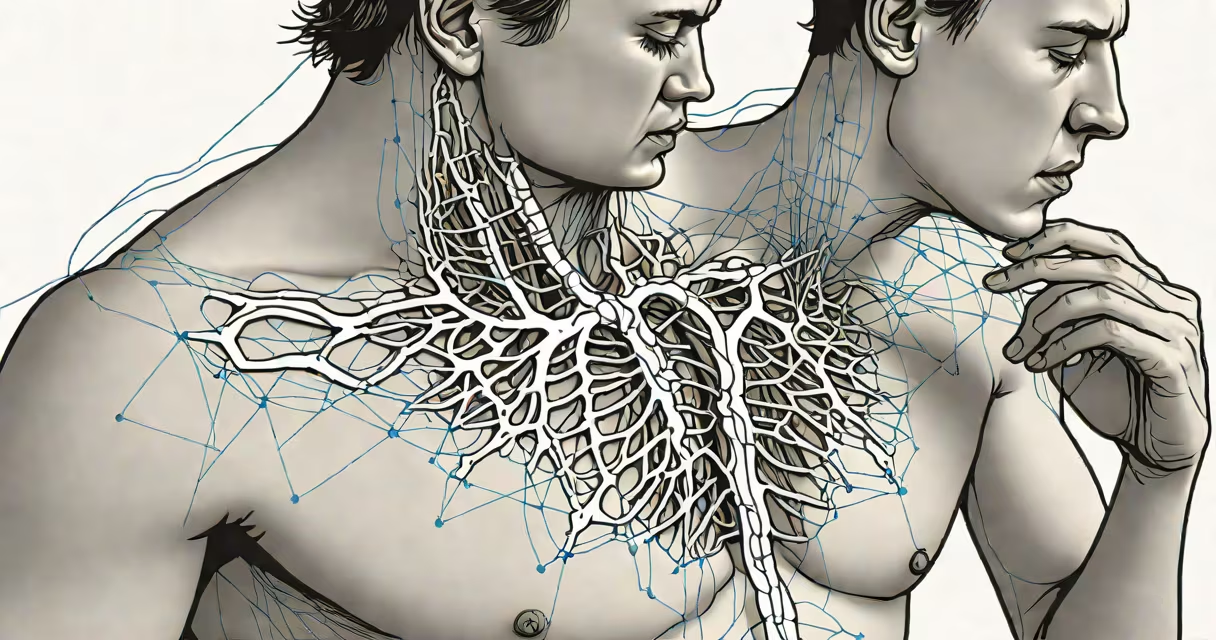
Chest pain that worsens with breathing-known medically as pleuritic chest pain-is caused by inflammation or irritation of the lining around the lungs (pleura). This pain typically sharpens during inhalation and may ease slightly when holding your breath.
Pleuritic pain arises when the pleural layers rub against each other due to swelling or fluid buildup. Common triggers include viral infections, pneumonia, pulmonary embolism, or musculoskeletal strain. The sensation often feels localized and stabbing, unlike the dull pressure associated with heart-related pain.
According to the American College of Chest Physicians, approximately 10% of patients presenting with acute chest pain have pleuritic symptoms, with infection and pulmonary embolism being leading causes. Not all chest pain during breathing requires emergency care, but distinguishing between benign and serious causes is critical.
The pleura consists of two thin membranes-the visceral pleura covering the lungs and the parietal pleura lining the chest cavity. Normally, a small amount of lubricating fluid allows these layers to slide smoothly. When inflamed, the surfaces become rough and sensitive, causing sharp pain with each breath.
During inhalation, the diaphragm contracts and the ribcage expands. This movement stretches the inflamed pleura, triggering nerve signals interpreted by the brain as pain. The sensation typically worsens when lying on the affected side or taking deep breaths.
A 2021 study published in Chest journal found that 68% of patients with confirmed pulmonary embolism reported pleuritic chest pain, often accompanied by shortness of breath and rapid heart rate. These symptoms were more likely to occur on the side of the clot.
Not all chest pain during breathing stems from the lungs. Conditions affecting the chest wall, heart, or gastrointestinal tract can mimic pleuritic pain. Accurate diagnosis depends on location, quality, and timing of the pain.
| Type | Common Cause | Pain Characteristics | Red Flags |
|---|---|---|---|
| Pleuritic | Viral pneumonia, pulmonary embolism | Sharp, stabbing; worsens with deep breaths | Unexplained shortness of breath, fever, cough |
| Musculoskeletal | Costochondritis, rib injury | Localized, reproducible with pressure | Pain worsens with movement or pressing on the area |
| Cardiac | Pericarditis, angina | Dull, pressure-like; may radiate to arm or jaw | Associated with exertion, sweating, nausea |
| Gastrointestinal | Hiatal hernia, acid reflux | Burning, often after eating | Relieved by antacids, worsened by bending |
One non-obvious distinction: pleuritic pain usually stops when you hold your breath. Musculoskeletal pain may persist regardless of breath control. This simple test helps differentiate lung-origin pain from chest wall strain.
Not all hurts in chest to breathe require hospitalization. However, certain signs indicate potentially life-threatening conditions. The American Heart Association advises seeking immediate care if chest pain during breathing is accompanied by:
In my experience treating patients with respiratory complaints, one man delayed care for three days because he assumed his chest pain was "just a pulled muscle." He later tested positive for a pulmonary embolism-a condition that kills nearly 100,000 people annually in the U.S., according to the CDC.
Diagnostic tools such as CT pulmonary angiography can confirm clots in under 30 minutes. A simple blood test called D-dimer can rule out embolism in low-risk individuals. Early intervention reduces mortality risk by over 50%.
Many assume that any chest pain during breathing must be heart-related. That's incorrect. While cardiac issues can cause chest tightness, they rarely produce sharp, breath-dependent pain. Instead, heart-related pain tends to be pressure-like, lasts longer, and may spread to the neck or left arm.
Another misconception: pain on the right side always means liver or gallbladder issues. But pleuritic pain can affect either side. Right-sided pleurisy is common in pneumonia, especially in smokers or those with weakened immunity.
Some confuse costochondritis with heart disease. Costochondritis involves inflammation of the cartilage connecting ribs to the sternum. It causes tenderness when pressing on the chest wall and often follows physical strain or upper respiratory infections. Unlike heart attacks, it doesn't increase risk of death.
A 34-year-old woman presented with sharp right-sided chest pain that worsened when breathing deeply. She had no history of heart disease, smoked occasionally, and recently completed a long flight. Her important signs were stable, but she reported mild shortness of breath.
Initial assessment suggested musculoskeletal strain. However, her D-dimer level was elevated. A CT scan revealed a small pulmonary embolism in the right lower lobe. She was treated with anticoagulants and recovered fully within two weeks.
This case illustrates how even young, healthy individuals can develop serious conditions. Travel, hormonal contraceptives, and prolonged sitting increase clot risk. The absence of classic warning signs doesn't eliminate danger.
If you're experiencing hurts in chest to breathe, don't ignore it. Start by tracking the pain: note when it began, whether it changes with position, and if it's linked to activity or illness. Keep a log of accompanying symptoms like fever, cough, or swelling.
Remember: hurts in chest to breathe is not a single condition-it's a symptom. Its meaning depends on context, duration, and associated signs. Early recognition saves lives.