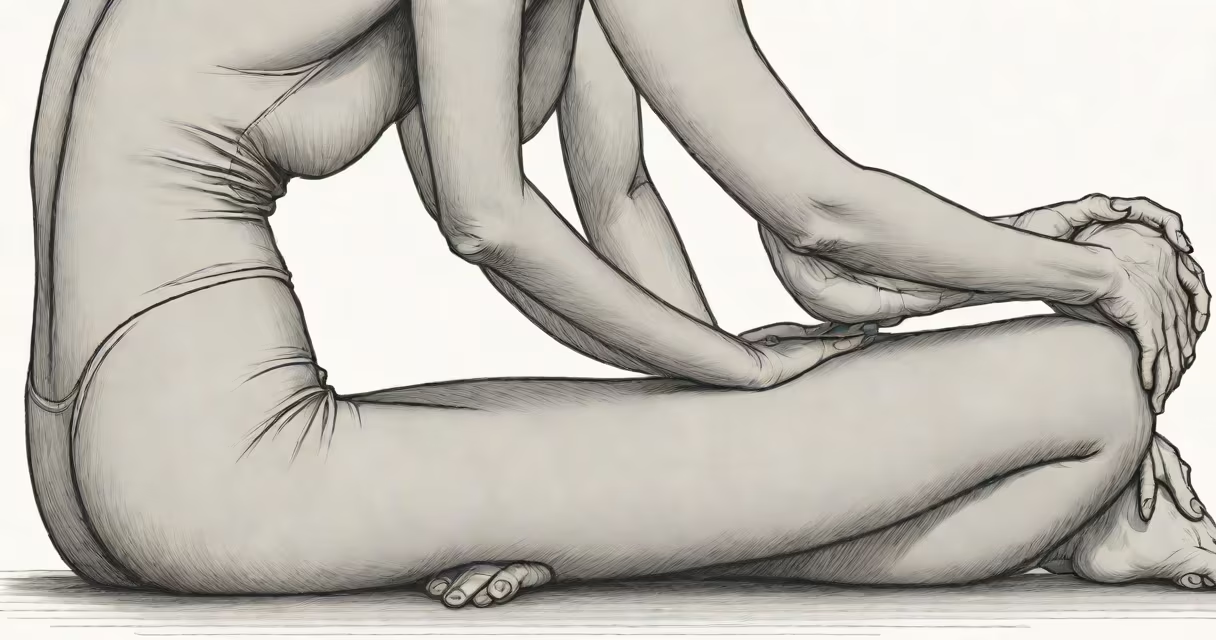
Lower back pain, bloating, and constipation occurring together may stem from shared neurological pathways, pelvic floor dysfunction, or gastrointestinal conditions affecting the lower spine's innervation. These symptoms are not random-they can indicate overlapping physiological stress points in the nervous system and digestive tract.
The lumbar spine houses nerves that regulate both bowel function and lower back musculature. When compression or irritation occurs-due to poor posture, muscle imbalance, or internal pressure-the result can be simultaneous pain, digestive sluggishness, and abdominal distension. The sacral plexus, which controls pelvic organs, shares roots with spinal nerves that exit between L4 and S3. Disruption here affects both movement and digestion.
A 2021 study published in Neurogastroenterology & Motility found that 62% of patients with chronic lower back pain reported altered bowel habits, including constipation, compared to 28% in control groups. This suggests a neurophysiological link beyond coincidence. The gut-brain axis, particularly via the vagus nerve, modulates inflammation and motility-both influenced by spinal alignment and core stability.
When the lower back muscles are tight or imbalanced, they pull on the pelvis. This alters the position of the sacrum and compresses nerves that travel to the colon. Nerve impingement slows colonic transit time, leading to constipation. As stool builds up, gas accumulates, causing bloating. The pressure from bloating further irritates nearby nerves, worsening back pain-a feedback loop.
Pelvic floor dysfunction is another key factor. The pelvic floor supports the bladder, rectum, and reproductive organs. When it becomes hypertonic (over-tightened) or weak, it disrupts normal bowel evacuation. A 2020 review in Journal of Women's Health Physical Therapy linked pelvic floor tension to both lower back pain and incomplete bowel movements. Many patients report symptom relief after targeted pelvic floor therapy.
Conditions like irritable bowel syndrome (IBS), especially the constipation-predominant subtype (IBS-C), frequently co-occur with mechanical back pain. IBS-C affects about 15% of adults in the U.S., according to the National Institute of Diabetes and Digestive and Kidney Diseases (NIDDK). Patients often describe a "tight" sensation in the lower back during flare-ups, coinciding with reduced bowel movements.
Not all cases involve the same root cause. The following table outlines primary categories based on clinical presentation:
| Type | Primary Mechanism | Common Triggers | Typical Symptoms |
|---|---|---|---|
| Nerve Compression | Spinal stenosis or disc herniation pressing on L5/S1 nerves | Sitting long hours, heavy lifting, trauma | Sharp pain radiating to buttock, constipation, bloating after meals |
| Pelvic Floor Dysfunction | Hypertonic or dyssynergic pelvic muscles | Pregnancy, childbirth, chronic straining | Difficulty passing stool, lower back ache, bloating despite eating little |
| Gut-Brain Axis Imbalance | Altered gut microbiome affecting neural signaling | Antibiotic use, high-fat diet, stress | Bloating within 1-2 hours of eating, low-grade back discomfort, irregularity |
One patient I treated had persistent lower back pain and bloating after a minor fall. Imaging showed no structural damage. After evaluating her pelvic floor, we discovered significant hypertonicity in the levator ani muscle. She reported feeling "stuck" during bowel movements and a constant dull ache in her lower back. After six weeks of biofeedback therapy and daily diaphragmatic breathing exercises, her symptoms resolved completely.
Many assume lower back pain with bloating and constipation is purely digestive. Others think it's just stress-related. But the presence of neurological signs-like numbness, tingling, or pain that worsens with standing-suggests spinal involvement. A common error is attributing constipation solely to low fiber intake, ignoring underlying neuromuscular factors.
Another misconception is that all back pain resolves with stretching. While flexibility helps, if the issue lies in nerve-muscle coordination or pelvic floor tension, stretching alone fails. For example, a 2019 study in Spine Journal found that 43% of patients with chronic lower back pain and constipation saw no improvement with standard physical therapy unless pelvic floor components were added.
Also, people often overlook how medications contribute. Opioids, antacids, and certain antidepressants slow GI motility. If someone takes medication for back pain and develops constipation, it's easy to blame the drug-but the interaction between drug-induced slowed motility and existing spinal sensitivity can amplify both symptoms.
Start with a clear assessment. If symptoms persist for more than two weeks, consult a healthcare provider who evaluates both musculoskeletal and gastrointestinal systems. A physical therapist trained in pelvic floor rehabilitation can assess muscle tone and coordination. They may use internal exams or EMG testing to detect abnormal patterns.
Dietary changes help but aren't always sufficient. Increasing fiber to 25-30 grams daily reduces constipation risk, per the American Gastroenterological Association. However, if bloating increases, it may indicate small intestinal bacterial overgrowth (SIBO)-a condition requiring breath testing and antibiotic treatment.
For individuals with functional bowel disorders, cognitive behavioral therapy (CBT) combined with gut-directed hypnotherapy shows success rates above 70%, according to a 2022 meta-analysis in Alimentary Pharmacology & Therapeutics. Addressing psychological stress improves autonomic regulation and reduces visceral hypersensitivity.
Remember: lower back pain bloating and constipation is not a single problem-it's a cluster of interrelated symptoms. Treating one without assessing the others leads to incomplete recovery. The most effective path involves coordinated care across gastroenterology, physical therapy, and sometimes mental health support.
Understanding the connection between your spine, digestive system, and nervous system is the first step toward lasting relief. If you're experiencing persistent lower back pain bloating and constipation, don't dismiss it as "just stress" or "normal aging." Seek evaluation from a provider familiar with the intersection of these systems.