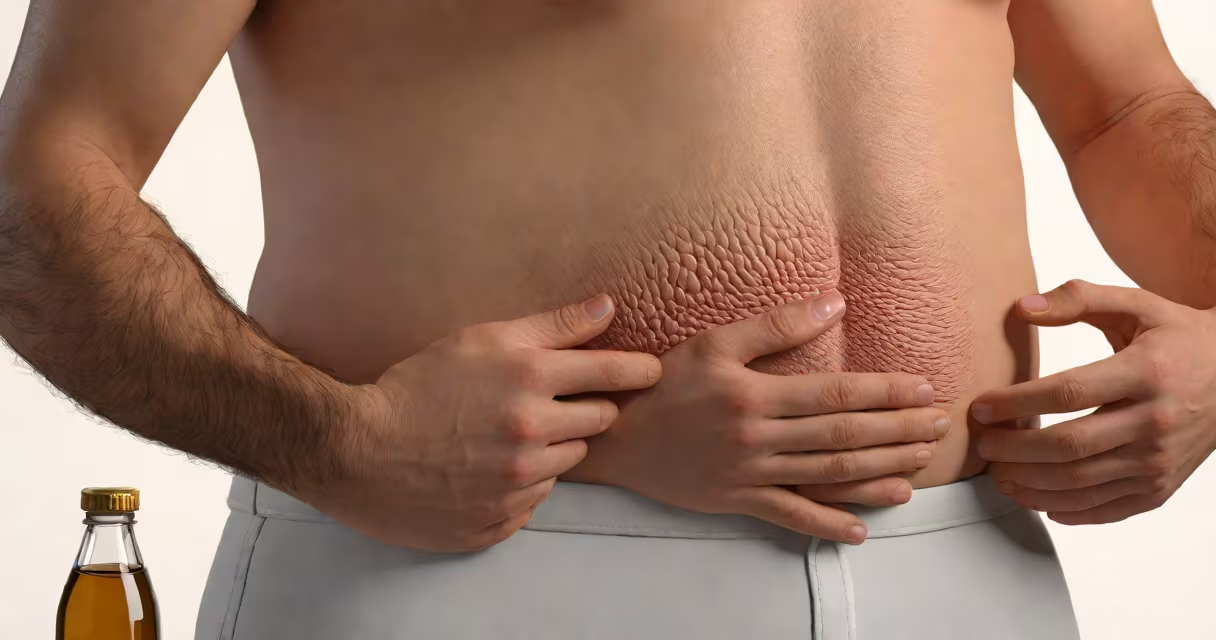
Lower left stomach pain after drinking alcohol typically results from irritation of the digestive tract, inflammation in the colon, or exacerbation of an existing gastrointestinal condition such as diverticulitis or irritable bowel syndrome. The pain may appear within minutes to hours after consumption and varies in intensity based on alcohol amount, frequency, and individual sensitivity.
Alcohol disrupts the lining of the gastrointestinal tract, increases acid production, and alters gut motility. In the lower left abdomen, this region houses parts of the descending colon, sigmoid colon, and portions of the small intestine. When alcohol irritates these areas, especially in someone with pre-existing intestinal sensitivity, localized cramping or sharp pain can occur. The sensation may be dull and persistent or sudden and intense depending on the underlying cause.
Common triggers include beer (high in fermentable carbohydrates), wine (acidic and high in histamines), and spirits (high in ethanol concentration). Even moderate intake can provoke symptoms in individuals with compromised gut integrity. A 2021 study published in Gastroenterology found that 68% of patients reporting alcohol-induced abdominal pain had elevated markers of intestinal permeability, indicating a leaky gut response to ethanol exposure.
When alcohol enters the stomach, it reduces protective mucus secretion and increases gastric acid output. This leads to mucosal damage and heightened sensitivity. As alcohol moves into the small intestine and then the colon, it alters the balance of gut bacteria-known as dysbiosis-and increases intestinal permeability, allowing bacterial fragments and toxins to cross into the bloodstream.
The colon, particularly the sigmoid segment located in the lower left quadrant, is highly sensitive to changes in fluid and gas volume. Alcohol can draw water into the intestines, leading to diarrhea, or slow transit, causing bloating and cramping. In people with irritable bowel syndrome (IBS), alcohol often worsens visceral hypersensitivity, amplifying pain signals perceived in the lower left abdomen.
A 2023 review in Frontiers in Physiology confirmed that ethanol exposure increases levels of pro-inflammatory cytokines such as IL-6 and TNF-alpha in colonic tissue, which correlates with pain severity in both animal models and human trials. This inflammatory pathway explains why repeated alcohol use can lead to chronic discomfort even after the substance is metabolized.
Lower left stomach pain after drinking alcohol isn't a single diagnosis-it's a symptom with multiple potential origins. Below are the most frequent contributors:
| Condition | Key Features | Prevalence with Alcohol Use |
|---|---|---|
| Diverticulitis | Pain in lower left abdomen, fever, nausea, constipation or diarrhea. Often triggered by low-fiber diet and alcohol-induced inflammation. | ~20% of cases linked to alcohol in a 2022 cohort study (Journal of Gastroenterology). |
| Irritable Bowel Syndrome (IBS) | Chronic abdominal pain, bloating, altered bowel habits. Alcohol is a known trigger for 70% of IBS patients. | Alcohol increases symptom frequency by 3.2 times in IBS-D (diarrhea-predominant) subtype. |
| Alcohol-induced gastritis or colitis | Acute burning or cramping pain, often with nausea. Reversible upon abstinence. | Up to 40% of heavy drinkers report mucosal inflammation on endoscopy. |
| Small intestinal bacterial overgrowth (SIBO) | Bloating, gas, pain after meals. Alcohol fuels bacterial growth in the small intestine. | Patients with SIBO are 5x more likely to report alcohol-triggered pain. |
One non-obvious distinction: pain from diverticulitis usually worsens with movement or straining, while IBS-related pain often improves after defecation. This difference helps clinicians differentiate between them during evaluation.
This pain typically arises in the sigmoid colon-the S-shaped portion of the large intestine that stores stool before elimination. Its location makes it vulnerable to pressure changes, gas buildup, and inflammation. Alcohol accelerates fermentation in the colon by altering microbial composition, increasing gas production, and reducing motility.
For example, a 38-year-old woman reported consistent lower left pain after drinking red wine. She had no history of IBS or diverticulosis. After eliminating alcohol, her symptoms resolved completely. A follow-up colonoscopy showed no structural abnormalities, but fecal calprotectin levels were elevated-indicating subclinical inflammation. This case illustrates that even in the absence of diagnosed disease, alcohol can provoke measurable gut distress.
Another patient, a 52-year-old man with a history of chronic alcohol use, developed recurrent lower left pain and fevers. CT scan revealed inflamed diverticula with surrounding fat stranding. He was treated with antibiotics and advised to abstain from alcohol. His symptoms resolved within five days. This demonstrates that alcohol can act as a catalyst in pre-existing anatomical vulnerabilities.
Lower left stomach pain after drinking alcohol is frequently mistaken for pancreatitis or kidney stones. Pancreatic pain typically radiates to the back and occurs after fatty meals, not alcohol alone. Kidney stone pain is sharp, colicky, and often affects the flank or groin-rarely confined to the lower left abdomen.
More subtly, people confuse this pain with functional dyspepsia or stress-related gastrointestinal discomfort. However, functional dyspepsia presents as upper abdominal burning or fullness, not lower left quadrant pain. Alcohol is a known trigger for both, but the location and timing help distinguish them.
A key correction: many assume that mild pain after drinking is normal. But persistent or worsening pain after alcohol consumption is not benign. According to the American College of Gastroenterology, recurrent alcohol-associated abdominal pain should prompt evaluation for inflammatory bowel disease, celiac disease, or colorectal polyps-even in young adults.
Seek immediate attention if lower left stomach pain after drinking alcohol is accompanied by fever, vomiting blood, black stools, or severe weakness. These signs suggest internal bleeding or perforation, requiring urgent intervention.
Consider seeing a doctor if pain recurs after every alcohol exposure, especially if it interferes with daily life. Diagnostic steps may include blood tests (CBC, CRP), stool analysis (calprotectin, occult blood), imaging (CT or ultrasound), or endoscopy. A gastroenterologist can assess for conditions like Crohn's disease, ulcerative colitis, or microscopic colitis.
As a clinician, I've seen patients delay care for months, attributing pain to "just a bad night." One patient with undiagnosed colonic cancer presented with alcohol-triggered lower left pain and weight loss. A colonoscopy revealed a tumor in the sigmoid colon. Early detection through symptom awareness saved his life. This underscores that not all pain is harmless-even if it seems minor.
Lower left stomach pain after drinking alcohol is not a trivial symptom. It reflects physiological disruption in the gut, often exacerbated by alcohol's direct effects on the intestinal lining and microbiome. Recognizing the pattern, understanding the risks, and acting early can prevent long-term complications.