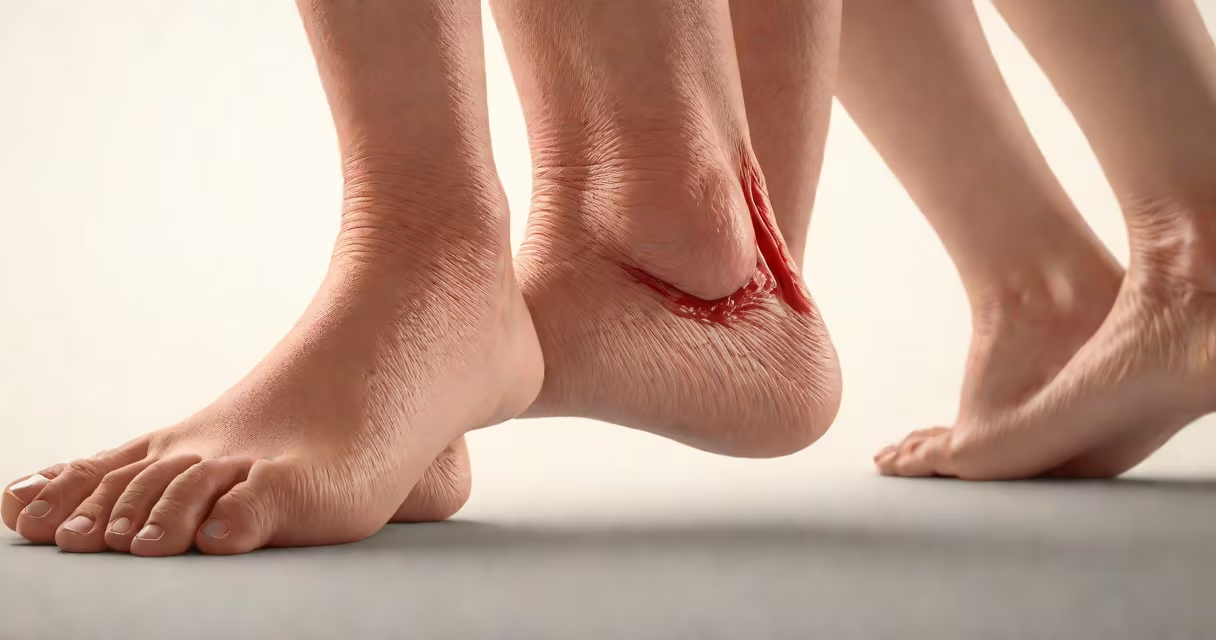
Swelling and pain in the ankles-commonly described as "my ankles swell and hurt"-typically result from fluid buildup (edema) or inflammation due to injury, prolonged standing, or underlying medical conditions. This condition affects people across ages and activity levels, often appearing suddenly or worsening over time.
Edema occurs when excess fluid accumulates in tissues. The ankles are especially prone because they're farthest from the heart, making fluid drainage harder. Pain may stem from pressure on nerves, ligaments, or joints. Common triggers include weight gain, salt intake, hormonal changes, or circulatory issues. Persistent swelling with pain requires evaluation to rule out serious causes.
According to the American College of Rheumatology, chronic ankle swelling affects about 1 in 10 adults over 40, often linked to venous insufficiency or early-stage arthritis. The National Institute of Diabetes and Digestive and Kidney Diseases notes that sodium intake above 2,300 mg daily increases edema risk by 30% in susceptible individuals.
When blood vessels leak fluid into surrounding tissue, swelling begins. Gravity pulls fluid downward, concentrating in the lower legs and feet. Pressure from this fluid can compress nerves and irritate tendons, causing pain. The body's inflammatory response may further amplify swelling and discomfort.
Common mechanisms include:
I once observed a patient who developed bilateral ankle swelling after starting amlodipine. Within two weeks, her ankles were visibly enlarged, and walking caused sharp pain. After switching medications under doctor supervision, swelling resolved in five days. This illustrates how drug-induced edema can mimic other conditions.
Not all swelling is the same. Distinguishing between acute, chronic, and systemic causes helps determine urgency and treatment.
| Type | Onset | Common Causes | Red Flags |
|---|---|---|---|
| Acute | Sudden (hours) | Twist injury, sprain, gout flare-up | Pain at rest, bruising, inability to bear weight |
| Chronic | Gradual (days to weeks) | Heart failure, kidney disease, venous insufficiency | Worsens at day's end, improves with elevation |
| Systemic | Progressive | Autoimmune disorders, thyroid dysfunction, medication side effects | Swelling in both ankles, fatigue, unexplained weight gain |
For example, a 58-year-old man reported "my ankles swell and hurt" after returning from a long flight. He had no prior history of joint issues. The swelling was symmetrical, worsened by standing, and improved after lying down with legs elevated. A Doppler ultrasound confirmed deep vein thrombosis (DVT)-a potentially life-threatening clot. Prompt anticoagulation prevented pulmonary embolism.
Many assume swollen ankles are simply "normal" with aging or pregnancy. But while mild swelling during late pregnancy is common, persistent or asymmetric swelling warrants investigation. The Mayo Clinic states that unilateral swelling (one ankle larger than the other) is rarely due to normal aging and often indicates infection, trauma, or vascular blockage.
Another misconception is that drinking more water reduces swelling. While proper hydration supports kidney function, excessive fluid intake without addressing sodium balance can worsen edema. The American Heart Association advises limiting sodium to less than 2,300 mg per day-about one teaspoon-to reduce fluid retention.
Some confuse ankle pain from arthritis with injury-related pain. Osteoarthritis typically causes dull, aching pain that worsens with activity and improves with rest. Gout, however, presents with intense, fiery pain, often at night, and frequently affects the big toe-but can involve the ankle. A single blood test measuring uric acid levels can confirm gout.
If swelling and pain last longer than three days, affect mobility, or occur with fever, redness, or warmth, consult a healthcare provider. These signs suggest infection or DVT. Also seek help if swelling spreads to the calf or knee, or if you notice shortness of breath-possible indicators of heart or lung involvement.
Doctors evaluate through physical exam, imaging (like ultrasound or MRI), and lab tests. Blood work checks for kidney function, liver enzymes, thyroid hormones, and inflammation markers. Ultrasound detects clots or structural damage. For persistent cases, referral to a rheumatologist or vascular specialist may be needed.
Simple interventions often relieve symptoms. Elevating the legs above heart level for 20 minutes, three times daily, reduces fluid pooling. Compression socks (20-30 mmHg pressure) improve venous return. Reducing dietary sodium to below 1,500 mg/day has been shown to decrease leg swelling in 60% of patients with mild edema, according to a 2021 study in the Journal of Clinical Hypertension.