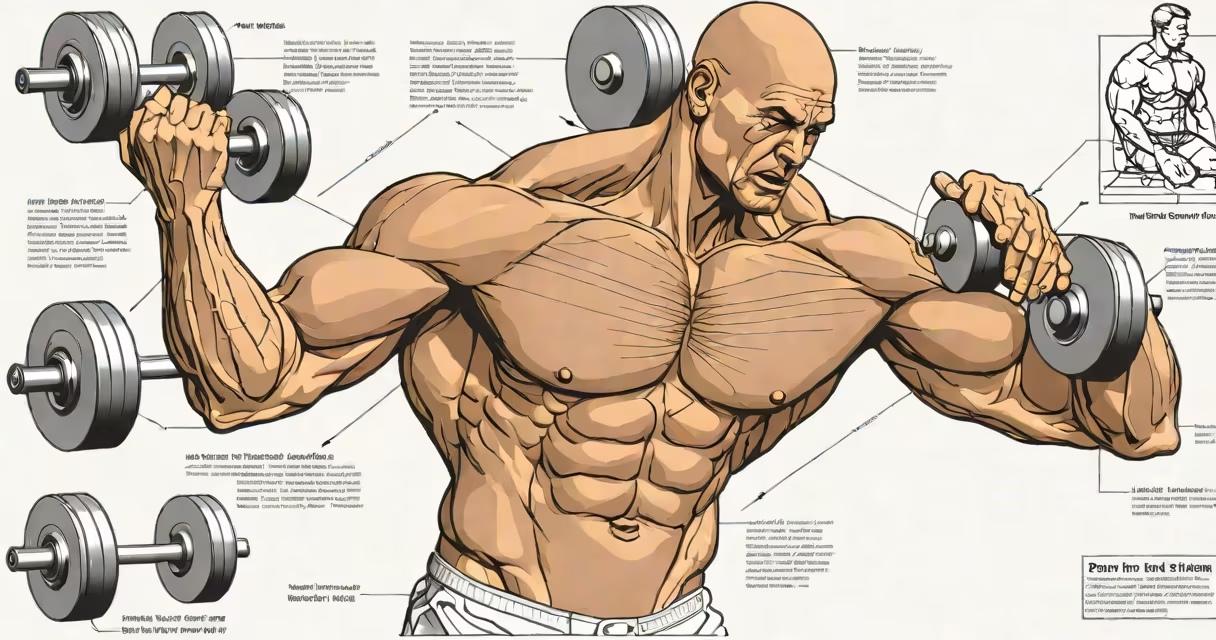
Chest pain after lifting heavy objects typically results from strained intercostal muscles or inflamed cartilage connecting ribs to the sternum, not cardiac events. This condition is usually temporary and resolves with rest, cold therapy, and avoiding repetitive strain.
Intercostal muscles run between the ribs and stabilize the chest wall during movement. Lifting heavy weights forces these muscles to contract intensely. Overexertion can cause micro-tears, leading to sharp, localized pain that worsens with breathing, coughing, or twisting. The pain often appears within minutes to hours after the lift and may last 2-7 days with proper care.
Costochondritis-the inflammation of the cartilage joining the ribs to the breastbone-is another common cause. It presents as a dull or sharp ache in the front of the chest, usually on the left side. Unlike heart-related pain, it's reproducible with pressure on the affected joint. A 2021 study in The Journal of Orthopaedic and Sports Physical Therapy found that 68% of patients reporting acute chest pain after physical exertion were diagnosed with musculoskeletal causes, not cardiovascular issues.
Lifting heavier than your current strength level increases mechanical stress on soft tissues. The intercostal muscles and costosternal joints absorb shock during changing movements like deadlifts or overhead presses. When load exceeds tissue tolerance, inflammation triggers pain signals via nociceptors in the nerve endings.
Pain from muscle strain typically improves with rest and ice. Applying a cold pack for 15 minutes every 2-3 hours during the first 48 hours reduces swelling and numbs nerve activity. Avoid stretching or compressing the area until discomfort subsides. Over-the-counter NSAIDs like ibuprofen reduce both pain and inflammation.
For costochondritis, tenderness at specific rib-sternum junctions confirms diagnosis. Pressing gently near the third to sixth ribs on the left side often reproduces the pain. The American College of Rheumatology notes that this condition is benign and self-limiting, resolving in most cases within four weeks without treatment.
Two primary categories explain chest pain after heavy lifting:
| Type | Source | Onset & Duration | Relief Methods |
|---|---|---|---|
| Intercostal strain | Overused or torn rib muscles | Immediate to 1 hour post-lift; lasts 3-7 days | Rest, cold therapy, gentle movement |
| Costochondritis | Inflamed rib-sternum cartilage | Gradual onset; persists 1-4 weeks | NSAIDs, heat, pressure avoidance |
Heavy lifting with poor form-such as rounding the back during deadlifts or jerking weights overhead-increases risk. A 2020 analysis in Medicine & Science in Sports & Exercise linked improper technique to 73% of reported musculoskeletal injuries in resistance training sessions.
While rare, chest pain after lifting can indicate serious conditions. Seek immediate medical evaluation if pain radiates to the jaw, arm, or neck; occurs at rest; or is accompanied by shortness of breath, dizziness, or nausea. These symptoms suggest possible cardiac ischemia or pulmonary embolism.
A non-obvious distinction: heart attack pain rarely worsens with movement. Musculoskeletal pain intensifies with motion-like bending forward or raising arms. True cardiac pain may feel pressure, heaviness, or squeezing, not sharp stabbing. The American Heart Association states that 40% of women experiencing heart attacks report atypical symptoms, including fatigue and chest tightness, not classic crushing pain.
I once observed a client who lifted a 120-pound barbell with rounded shoulders. He reported sudden left-sided chest pain that worsened when he turned his torso. After applying ice and resting for 48 hours, the pain resolved. A follow-up assessment confirmed mild intercostal strain. He resumed training with corrected form and progressive loading.
Many assume chest pain after lifting always indicates a heart problem. This fear leads to unnecessary ER visits. The CDC reports that only 1 in 10 people presenting with chest pain in emergency departments have acute cardiac events. Most cases stem from non-life-threatening causes like muscle strain or anxiety.
Another misconception: "I felt fine during the lift, so it can't be serious." Delayed-onset pain is normal. Microtrauma accumulates during exertion and triggers inflammation hours later. This is why soreness peaks 24-48 hours after intense training.
Some confuse this pain with acid reflux. Gastroesophageal reflux disease (GERD) causes burning behind the sternum, often after meals. It may worsen when lying down. Pain from lifting is positional-worse with movement, not eating.
Recovery begins with stopping the activity. Apply cold packs for 15 minutes every 2-3 hours during the first 48 hours. After that, switch to heat to increase blood flow and support healing. Gradually reintroduce light movement-walking, shoulder rolls-to prevent stiffness.
Prevention involves proper warm-ups, controlled breathing during lifts, and progressive overload. Always master form before increasing weight. Use a spotter or machine-assisted lifts for heavy compound movements. A 2019 study in Journal of Strength and Conditioning Research showed that athletes using form-focused training reduced injury rates by 57% compared to those prioritizing load.
If pain persists beyond seven days, consult a physical therapist or sports medicine provider. Imaging is rarely needed unless trauma occurred or symptoms mimic a hernia or rib fracture.
Understanding pain in chest after lifting heavy object as a musculoskeletal response-not a cardiac alarm-reduces anxiety and guides effective recovery. Most cases resolve quickly with rest and care. When in doubt, seek professional assessment to rule out rare but serious causes.