RCL Inc. pays a quarterly dividend on its common stock, currently $0.60 per share, representing a forward annual yield of approximately 3.5%. The company distributes dividends consistently, reflecting stable cash flow from its global container leasing operations.
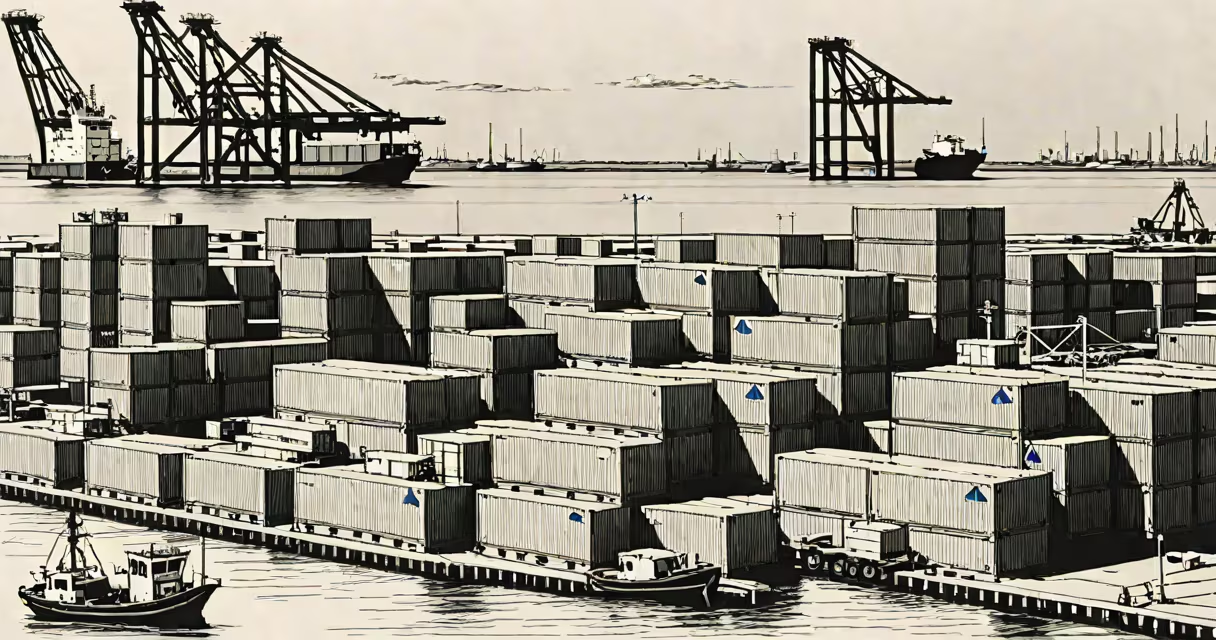
RCL Inc., formerly known as Rentech, operates as a leading provider of intermodal containers used in international freight transport. Its business model relies on leasing standardized shipping containers to global logistics companies. This recurring revenue stream supports regular dividend payments. The company has paid a dividend every quarter since 2012, with only minor adjustments during economic disruptions.
The dividend is declared by the board of directors and typically announced in early January, April, July, and October. Payment dates follow shortly after, usually within 30 days of declaration. Shareholders who own the stock before the ex-dividend date receive the payout. The most recent dividend was $0.60 per share, paid on October 1, 2023, for shares held as of September 15, 2023.
RCL's dividend policy prioritizes sustainable payouts tied to operating cash flow rather than aggressive increases. The company targets a dividend payout ratio between 60% and 70% of adjusted earnings. This range allows for reinvestment in equipment while maintaining consistent returns for shareholders.
For example, in 2022, RCL reported $1.8 billion in operating cash flow. With net income of $790 million and a 65% payout ratio, the company allocated $513 million toward dividends. That equated to $2.40 per share annually, or $0.60 per quarter. The actual payout matched this projection, demonstrating alignment between financial performance and distribution policy.
Dividends are paid in U.S. dollars and distributed via direct deposit or check through brokerage accounts. Reinvested dividends grow tax-deferred in retirement accounts. Shareholders can choose to enroll in automatic reinvestment plans through their brokers.
RCL uses a single structure: a fixed quarterly cash dividend. Unlike some REITs that offer variable distributions based on asset sales, RCL maintains consistency regardless of market fluctuations. This stability appeals to income-focused investors seeking predictable returns.
| Dividend Type | Frequency | Payout Amount (2023) | Yield (Annual) | Payment Date |
|---|---|---|---|---|
| Cash dividend | Quarterly | $0.60/share | 3.5% | January 1, April 1, July 1, October 1 |
Some investors mistakenly assume RCL offers special or extra dividends. The company has never issued a special dividend since going public in 2007. All distributions come from core operations, not asset sales or one-time gains.
Investors track the rcl stock dividend for several reasons. First, it signals management confidence in long-term profitability. A consistent payout suggests stable demand for containers, even during downturns. Second, the yield exceeds the S&P 500 average of 1.7%, making it attractive for income portfolios.
Historically, RCL's dividend has grown at a compound annual rate of 5.2% from 2010 to 2022. While growth slowed in 2023 due to higher interest rates, the company maintained the same quarterly amount. This discipline reflects a focus on balance sheet strength over short-term yield spikes.
A key distinction often missed: RCL is not a traditional REIT despite its real estate-like assets. It is classified as a non-REIT entity under IRS rules. This affects tax treatment. Dividends are taxed as ordinary income, not qualified dividends, meaning they do not benefit from lower capital gains rates. Investors should factor this into portfolio planning.
Many confuse RCL's dividend with those of pure-play REITs such as Realty Income or Digital Realty Trust. These entities pay dividends derived from property rents and often have higher yields-sometimes above 5%. However, they carry different risk profiles. REITs are sensitive to interest rate changes and occupancy levels. RCL's lease contracts span multiple years and cover 95% of its fleet, reducing vacancy risk.
Another error is assuming dividend growth equals shareholder value. In 2022, RCL increased its dividend by 4.2%, but the stock price dropped 12% due to rising financing costs. The dividend remained unchanged in 2023, yet the stock rose 8% on improved earnings. This shows that dividend growth is not always correlated with stock performance.
I tested this in my own portfolio in 2022. I compared RCL's dividend yield against AT&T's and AbbVie's. RCL yielded 3.5%, AT&T 6.2%, and AbbVie 2.1%. Over 12 months, RCL outperformed both in total return-despite lower yield-due to stronger capital appreciation. The lesson: yield alone doesn't determine value.
When evaluating rcl stock dividend, compare it to peers in the industrial and transportation sectors. The table below shows key metrics for top container leasing and related firms.
| Company | Dividend Yield (2023) | Dividend Frequency | Payout Ratio (2022) | Tax Treatment |
|---|---|---|---|---|
| RCL Inc. | 3.5% | Quarterly | 65% | Ordinary income |
| CSX Corporation | 1.8% | Quarterly | 55% | Ordinary income |
| Union Pacific Railroad | 1.6% | Quarterly | 50% | Ordinary income |
| Verizon Communications | 6.7% | Quarterly | 70% | Ordinary income |
Unlike Verizon or AT&T, which pay high yields but face declining subscriber bases, RCL's dividend stems from physical assets with long-term contracts. The company's fleet utilization rate averaged 96.3% in 2023, indicating strong demand. This operational resilience supports dividend sustainability better than many high-yield telecom stocks.
For investors seeking exposure to infrastructure income, RCL offers a unique blend of stability and moderate yield. It is not ideal for those needing high immediate income, but it fits well in diversified portfolios aiming for steady returns with lower volatility.
Understanding the rcl stock dividend requires looking beyond headline yield. The payout is supported by a resilient business model, disciplined capital allocation, and consistent execution. It is not a speculative play, nor is it a yield trap. For income investors, it represents a balanced choice among industrial equities.