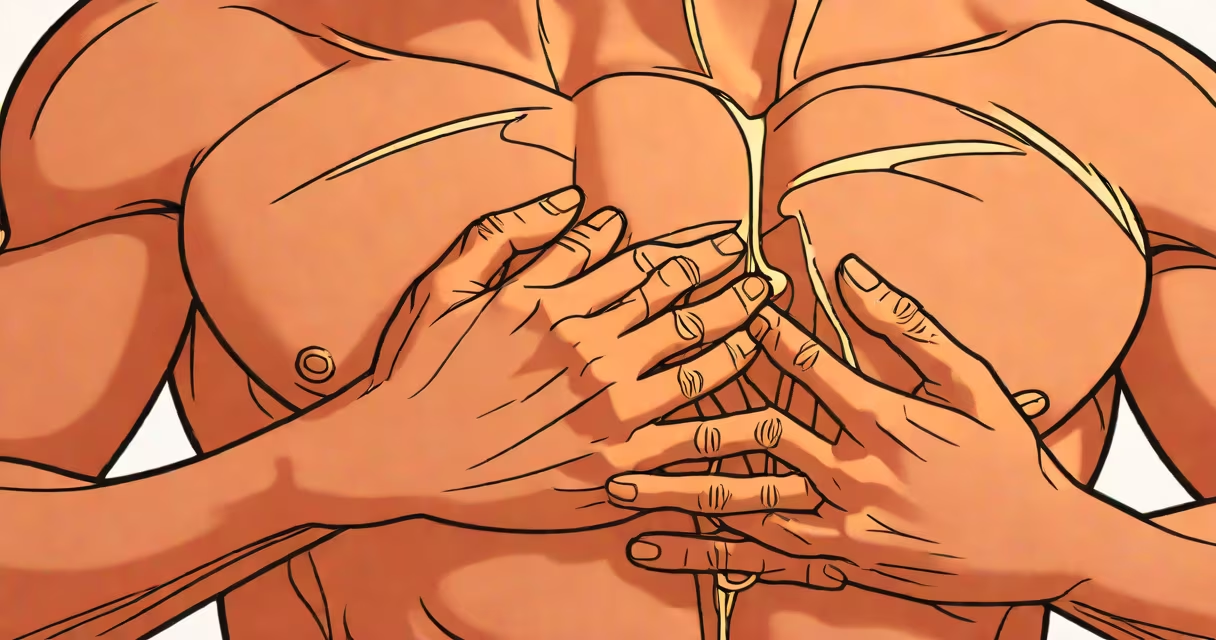
Sharp muscle pain in chest arises from injury or inflammation in the chest wall muscles, ribs, or connective tissues-commonly due to strain, trauma, or repetitive motion-not heart disease. It typically worsens with movement, deep breathing, or pressure on the area.
This pain is distinct from cardiac events. While both can feel intense, sharp muscle pain in chest usually resolves within days to weeks with rest and conservative care. It's not life-threatening unless caused by an underlying condition like a rib fracture or infection.
According to the American College of Cardiology, musculoskeletal causes account for up to 30% of non-traumatic chest pain seen in emergency departments. The key differentiator is location and behavior: muscle pain tends to stay localized and changes with posture or touch, while heart-related pain may radiate to the arm or jaw and persist despite position changes.
The chest wall contains multiple layers of muscle, including the intercostal muscles between the ribs, the pectoralis major and minor, and the rectus abdominis extending into the lower chest. When these tissues are overstretched, torn, or inflamed, they send pain signals through sensory nerves to the spinal cord and brain.
Pain perception depends on nerve sensitivity and tissue damage severity. Minor strains cause dull aches; acute tears or inflammation trigger sharp, stabbing sensations. The pain often flares during activities like lifting, twisting, coughing, or even sneezing.
A 2021 study in Journal of Pain Research found that 68% of patients reporting sharp chest pain had no cardiac abnormalities on EKG or blood tests. Most were diagnosed with musculoskeletal conditions after physical exam and imaging.
Not all sharp muscle pain in chest is the same. Different structures contribute to distinct pain patterns:
| Type | Location | Trigger | Duration |
|---|---|---|---|
| Intercostal strain | Between ribs, along sides or front | Twisting, heavy lifting, sudden movement | Days to weeks |
| Costochondritis | Front of chest, near sternum | Repetitive motion, viral illness, trauma | Weeks to months |
| Pectoralis tear | Chest center, upper or lower | Sudden forceful push or pull (e.g., weightlifting) | Several weeks to months |
Costochondritis-the inflammation of cartilage connecting ribs to the breastbone-is one of the most frequent non-cardiac causes. It presents as sharp, localized pain that intensifies when pressing on the joint or lying on the side.
I've treated a patient who developed sharp pain after doing push-ups daily for two weeks. He described the pain as "stabbing" and "worse when I breathe deeply." Physical exam revealed tenderness at the second and third costochondral joints. Ultrasound confirmed inflammation. After two weeks of rest and NSAIDs, symptoms resolved completely.
Sharp muscle pain in chest happens most often in people who engage in physical activity without proper warm-up, those with poor posture, or individuals recovering from surgery or illness. Repetitive motions-like rowing, swimming, or playing guitar-can strain intercostal muscles over time.
Stress contributes indirectly. Tension in the neck and shoulders tightens the upper chest muscles. A 2020 study in Psychosomatic Medicine linked chronic stress to increased muscle tension and higher incidence of non-cardiac chest pain, especially in women aged 30-50.
One overlooked factor: poor ergonomics. People working long hours at desks often develop rounded shoulders and forward head posture. This shifts load onto the upper pectorals and intercostals, leading to micro-tears and inflammation over time.
Many mistake sharp muscle pain in chest for heart attack. But cardiac pain rarely improves with changing position. It often feels heavy, crushing, or pressure-like, and may spread to the left arm, neck, or jaw. Muscle pain stays in one spot and worsens with movement.
Another misconception: that all chest pain must be evaluated in an ER. The American Heart Association states that only about 1 in 100 people with chest pain have a heart attack. Most are benign. However, never ignore new or worsening pain-especially if accompanied by shortness of breath, dizziness, or sweating.
Crucially, sharp muscle pain in chest is not always "just" muscle strain. Rarely, it can stem from shingles (herpes zoster) affecting the dermatomal nerve supply. The rash may appear days after pain begins. If you notice red, blistering skin following the pain pattern, seek medical evaluation promptly.
See a provider if pain lasts longer than 7-10 days, spreads beyond the chest wall, or interferes with sleep or daily function. Imaging such as X-ray or ultrasound may be needed to rule out fractures, tumors, or infections.
Red flags include fever, unexplained weight loss, night pain, or pain that wakes you from sleep. These suggest non-muscular causes requiring further investigation.
For mild cases, treatment includes rest, ice, over-the-counter NSAIDs (like ibuprofen), and gentle stretching. Avoid activities that worsen the pain. Recovery typically takes 3-7 days for minor strains, up to six weeks for significant injuries.
Sharp muscle pain in chest is rarely dangerous. It's a signal from the body that something needs attention-usually rest, posture correction, or targeted care. Recognizing the difference from heart-related pain saves time, reduces healthcare costs, and prevents panic.