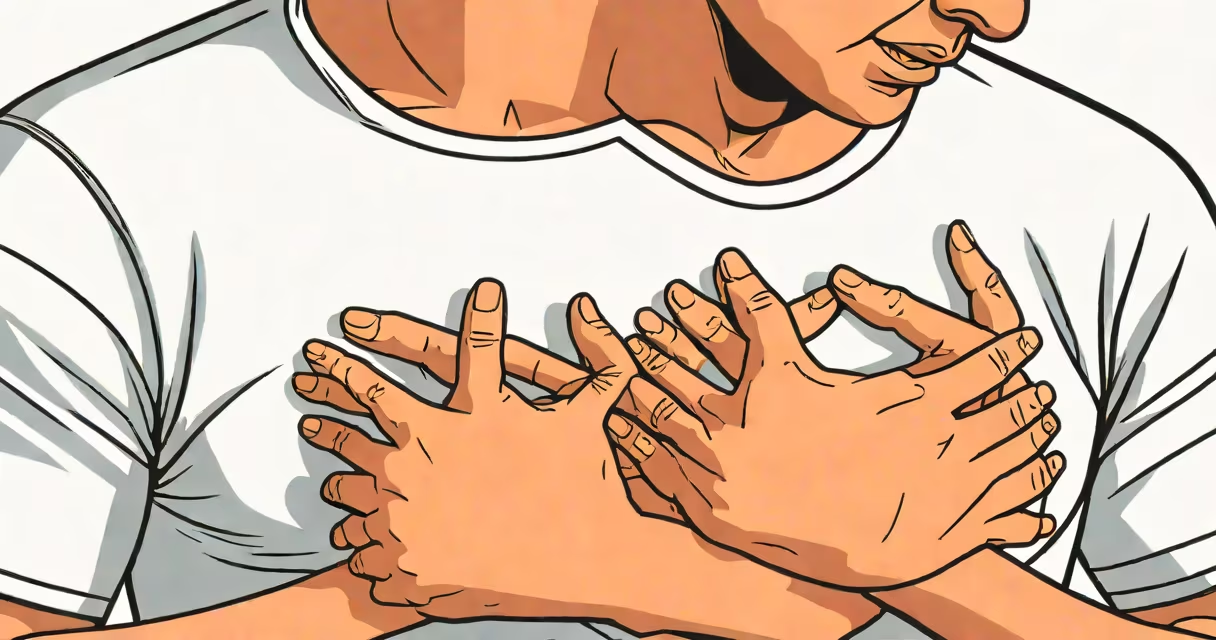
Sharp tight chest pain is a sudden, intense pressure or burning sensation in the center or left side of the chest, often described as crushing, squeezing, or stabbing. It may last seconds to minutes and can radiate to the arm, jaw, or back. This symptom requires immediate evaluation to rule out heart attack or other serious conditions.
Unlike dull or aching pain, sharp tight chest pain typically starts abruptly and may worsen with movement or breathing. It is not usually relieved by rest or antacids. The sensation often feels localized-like a knife or clamp-and can make breathing difficult. While some cases stem from musculoskeletal issues, others indicate life-threatening cardiac events.
According to the American Heart Association, about 60% of people experiencing a heart attack report chest pain, though not all describe it as "sharp." The key is not the word choice but the context: duration, triggers, and associated symptoms. A sharp tight pain lasting longer than five minutes, especially with sweating, nausea, or shortness of breath, demands emergency care.
When blood flow to the heart muscle drops suddenly-due to a blocked coronary artery-the tissue begins to starve for oxygen. This ischemia triggers nerve endings in the heart wall, sending pain signals via the spinal cord to the brain. The brain interprets this as pain in the chest, even though the source is internal and not skin-level.
Sharp tight chest pain from cardiac causes often arises during exertion or emotional stress. The pain may ease when stopping activity. It frequently spreads to the left shoulder, down the left arm, or up into the jaw. Some patients describe it as a heavy weight pressing on the chest. This pattern reflects the way nerves from the heart converge with those from the neck and arm in the spinal cord-a phenomenon called referred pain.
A 2021 study in Circulation found that 37% of women who had heart attacks initially reported non-specific chest sensations, including sharp or stabbing pain, rather than classic pressure. This highlights that the absence of a "crushing" feeling doesn't rule out cardiac involvement.
Sharp tight chest pain can originate from several systems. The most critical are cardiac, pulmonary, gastrointestinal, and musculoskeletal. Misdiagnosis is common-especially in younger adults and women-because symptoms don't always follow textbook patterns.
| Source | Pain Quality | Triggers | Relief | Red Flags |
|---|---|---|---|---|
| Heart attack (myocardial infarction) | Crushing, squeezing, sharp, or stabbing | Exertion, stress, cold | Rest, nitroglycerin (if prescribed) | Sweating, nausea, radiation to jaw/arm, shortness of breath |
| Pulmonary embolism | Sharp, sudden, worsens with deep breath | Long travel, immobility, recent surgery | None (requires clot-busting therapy) | Unexplained shortness of breath, rapid heart rate |
| Gastroesophageal reflux (GERD) | Burning, sharp, behind sternum | Lying down, eating spicy food | Antacids, upright position | Heartburn, acid taste, occurs after meals |
| Musculoskeletal strain | Sharp, localized, worsens with movement | Twisting, lifting, coughing | Rest, ice, anti-inflammatories | Pain at specific spot, reproducible with touch |
One non-obvious distinction: cardiac pain rarely improves with changing position. Musculoskeletal pain often shifts with posture. For example, a rib injury may hurt more when raising the arms or turning sideways. A 2019 review in BMJ noted that 22% of patients presenting with acute chest pain were initially misdiagnosed due to overlapping symptoms between GERD and early heart attack.
Healthcare providers assess sharp tight chest pain through history, physical exam, and diagnostic tests. The first step is determining whether the pain is stable or acute. Stable pain suggests chronic issues like costochondritis. Acute onset demands urgent exclusion of life-threatening causes.
Electrocardiogram (ECG) is performed within 10 minutes of arrival in emergency departments. It detects electrical changes in the heart that indicate ischemia. Blood tests for troponin-proteins released when heart cells die-are checked at baseline and again 3-6 hours later. A rise confirms myocardial damage.
I've seen a 44-year-old man arrive with sharp tight chest pain after shoveling snow. He denied prior heart disease. ECG showed ST-elevation in leads II, III, and aVF-classic for inferior wall heart attack. Troponin rose from 12 to 480 ng/L in four hours. He underwent angioplasty and recovered. His pain was not crushing-it was sharp and lasted 15 minutes. That's why context matters more than label.
Many assume sharp chest pain means anxiety. While panic attacks can cause chest tightness, they rarely produce sharp, localized pain. Anxiety-related pain is usually diffuse, tied to breathing, and resolves quickly with calming techniques. True cardiac pain persists and may worsen with effort.
Another myth: "Only men have heart attacks." Women under 55 are less likely to present with classic pressure, but they still suffer heart attacks. A 2020 study in JAMA Internal Medicine found that women were 30% more likely than men to report sharp or stabbing chest pain during a heart event. They're also more likely to delay seeking care due to symptom misattribution.
Some patients mistake sharp tight chest pain for "muscle strain" and ignore it. But if the pain occurs at rest, lasts longer than five minutes, or recurs, it's not normal. The American College of Cardiology states that 1 in 5 heart attacks begin with atypical symptoms, including sharp pain, fatigue, or indigestion-like discomfort.
If you're unsure, treat any new sharp tight chest pain as potentially dangerous until proven otherwise. Delaying care increases mortality risk. Emergency services should be contacted immediately if pain lasts more than a few minutes, especially with accompanying symptoms.