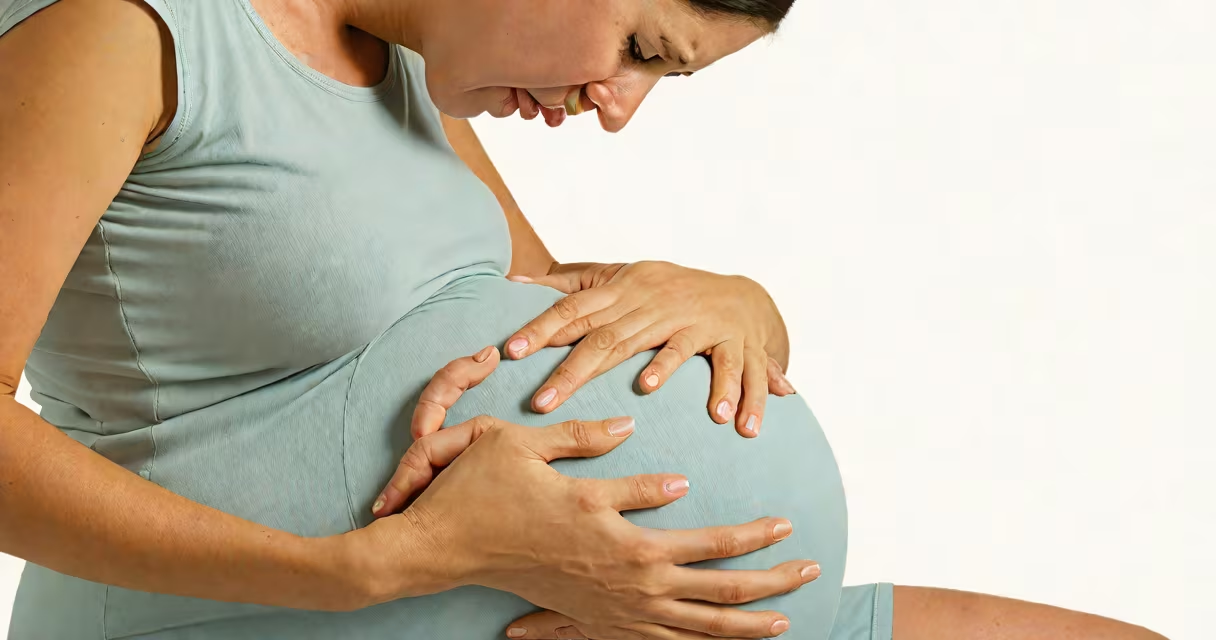
Signs of pregnancy vomiting include persistent nausea, frequent retching, and inability to keep food down, typically beginning around week 6 of gestation and peaking between weeks 8 and 10. This condition affects about 70-80% of pregnant individuals, with severity varying widely.
Nausea and vomiting in early pregnancy stem from hormonal shifts, especially rising human chorionic gonadotropin (hCG) and estrogen levels. The body's increased sensitivity to odors and taste changes further contributes to discomfort. While mild cases resolve by week 14, severe forms may persist beyond 20 weeks.
Medical guidelines from the American College of Obstetricians and Gynecologists (ACOG) define normal pregnancy-related nausea as occurring in fewer than four episodes per day, without dehydration or weight loss. When vomiting exceeds three times daily or leads to weight loss exceeding 5% of pre-pregnancy body weight, it may indicate hyperemesis gravidarum-a condition requiring medical intervention.
Vomiting during early pregnancy results from a combination of physiological and neurological triggers. Elevated hCG levels, which double every 48 hours in the first trimester, correlate strongly with nausea onset. A 2020 study published in Obstetrics & Gynecology found that women with hCG levels above 100,000 mIU/mL were nearly three times more likely to report severe nausea than those below 50,000 mIU/mL.
The brain's chemoreceptor trigger zone, located in the medulla oblongata, responds to high hormone concentrations by activating the vomiting reflex. Sensory inputs-such as smells, certain foods, or even stress-can amplify this response. Some individuals report symptom spikes when exposed to cooking odors or strong perfumes.
Not all nausea stems from pregnancy. Gastroenteritis, migraines, and thyroid disorders can mimic early pregnancy symptoms. However, the timing-onset around week 6-and persistence through week 12 help distinguish pregnancy-related vomiting from other causes.
Signs of pregnancy vomiting fall into three clinical categories based on frequency and impact:
| Type | Frequency | Weight Loss | Medical Intervention Needed? |
|---|---|---|---|
| Mild (morning sickness) | 1-3 times/day | None | No |
| Moderate | 4-6 times/day | 1-5% | Yes (oral antiemetics) |
| Severe (hyperemesis gravidarum) | More than 6 times/day | Over 5% | Yes (IV fluids, hospitalization) |
Hyperemesis gravidarum occurs in approximately 0.3-2% of pregnancies. It is not simply "bad morning sickness"-it involves electrolyte imbalances, ketonuria, and potential complications such as Wernicke's encephalopathy due to thiamine deficiency. ACOG recommends prompt evaluation if vomiting persists past 10 weeks or leads to dehydration signs like dry mouth, dizziness, or dark urine.
One underappreciated factor is the role of serotonin receptors in the gut. Research from the National Institutes of Health (NIH) shows that altered serotonin signaling in the enteric nervous system may contribute to delayed gastric emptying, worsening nausea. This explains why some patients respond better to medications targeting serotonin pathways, such as ondansetron.
Many assume that vomiting during pregnancy always begins in the morning. In reality, nausea can occur at any time of day-up to 70% of affected individuals report symptoms throughout the day. The term "morning sickness" is misleading and persists despite being inaccurate.
Another misconception is that vomiting indicates a healthy pregnancy. While mild nausea correlates with lower miscarriage risk, severe vomiting does not predict fetal outcome. A 2019 cohort study in BJOG: An International Journal of Obstetrics & Gynaecology found no significant difference in live birth rates between women with moderate versus severe nausea.
Dietary adjustments are the first-line strategy. Small, frequent meals of bland, low-fat foods-like crackers, rice, and boiled potatoes-help stabilize the stomach. Avoiding spicy, greasy, or highly aromatic foods reduces triggers. Ginger supplements (500 mg twice daily) have shown modest benefit in randomized trials, though effects vary.
When dietary changes fail, medications are available. Diclegis (doxylamine plus pyridoxine) is FDA-approved for pregnancy-related nausea and effective in 70% of users. Ondansetron, while off-label, is used safely in many cases and has no proven teratogenic risk at standard doses.
After vomiting, eating small portions of easily digestible food helps prevent further irritation. Consuming bland, cold foods like applesauce or yogurt within 30 minutes of vomiting can reduce recurrence. Avoiding large meals, carbonated drinks, and acidic fruits prevents acid rebound.
Signs of pregnancy vomiting are common, treatable, and rarely dangerous. Most cases improve by week 14. Persistent or severe symptoms require medical assessment to rule out hyperemesis gravidarum or other conditions. Early intervention improves outcomes and reduces maternal stress.