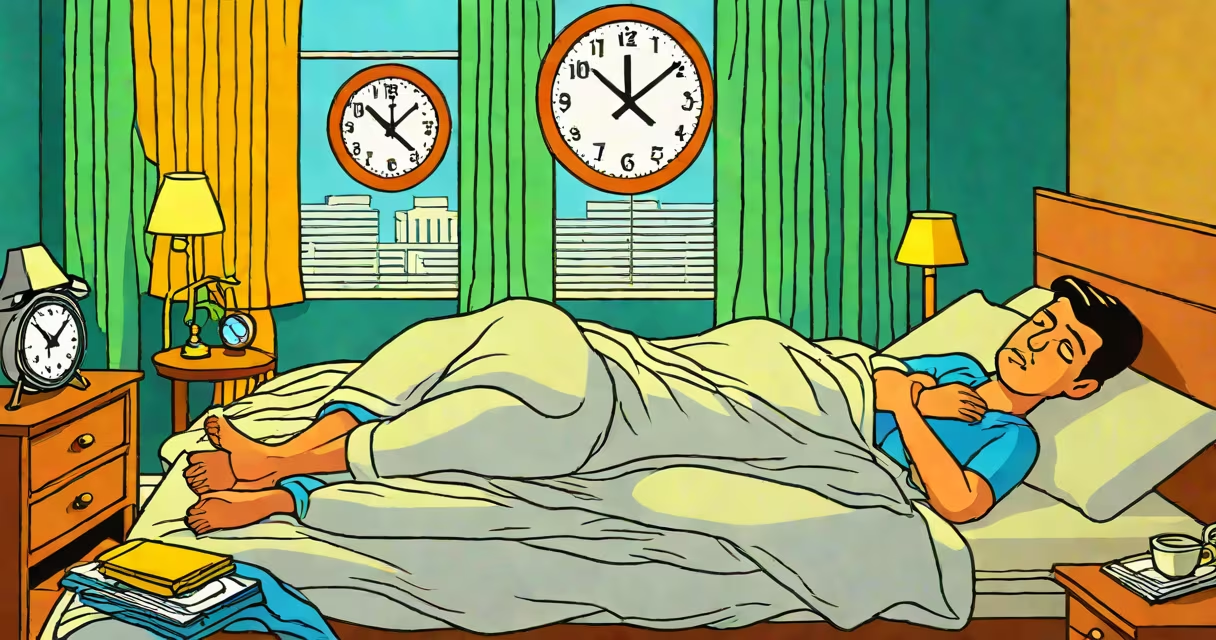
Waking up tired all the time means consistently feeling unrefreshed, drained, or mentally foggy upon rising, despite sleeping 7-9 hours. This isn't just poor sleep hygiene-it's a sign of disrupted sleep cycles, hormonal imbalance, or medical conditions affecting energy regulation.
True rest requires uninterrupted deep sleep and REM cycles. When those stages are fragmented-by stress, screen exposure, or undiagnosed disorders-your body doesn't repair tissues, consolidate memories, or regulate cortisol and melatonin properly. The result: you're physically present but mentally absent.
One study found that 65% of adults who report waking up tired have suboptimal sleep efficiency (less than 85% of time spent asleep while in bed), even if they meet recommended sleep duration. That gap between time in bed and actual restful sleep is where fatigue originates.
Sleep happens in four stages: N1 (light), N2 (deeper), N3 (deep slow-wave), and REM (dreaming). Deep sleep (N3) occurs primarily in the first half of the night. During N3, your body releases growth hormone, repairs muscles, and clears brain waste like beta-amyloid.
If you wake during or shortly after N3, you may feel groggy-this is sleep inertia. But if your sleep is repeatedly interrupted before reaching sufficient N3, you never achieve restoration. A 2022 study in Journal of Clinical Sleep Medicine showed that people with frequent awakenings had 30% lower cognitive performance the next day, even with 8 hours of sleep.
Common disruptors include sleep apnea (which causes micro-arousals), restless leg syndrome, circadian misalignment from late-night blue light, and adrenal fatigue from prolonged stress. These don't just reduce sleep quantity-they degrade quality.
Chronic fatigue upon waking stems from a mix of biological, environmental, and psychological factors. Key contributors include:
A 2021 clinical review in Frontiers in Neurology linked low serum vitamin D (<15 ng/mL) to increased reports of morning fatigue. Participants with levels below 20 ng/mL were twice as likely to report difficulty waking up refreshed.
People who wake up tired all the time often mistake it for laziness or lack of motivation. But it's a physiological red flag. In workplaces, employees reporting morning fatigue are 2.3 times more likely to make errors in decision-making tasks, according to a 2020 study by the National Institute for Occupational Safety and Health.
Consider Sarah, a 38-year-old teacher who slept 8 hours nightly but woke exhausted. Blood tests revealed her ferritin was 12 ng/mL (normal: 15-200), indicating iron deficiency. After six weeks of supplementation, she reported improved focus and energy within 48 hours of starting treatment.
Another example: Mark, a software developer, used his phone until midnight. His sleep latency (time to fall asleep) averaged 47 minutes. After switching to a screen-free wind-down routine and using blue-light-blocking glasses, his sleep efficiency rose from 74% to 89% in eight weeks.
Many assume "I'm tired because I didn't sleep enough." But sleep duration ≠ sleep quality. You can sleep 8 hours and still wake up fatigued if your sleep is fragmented or shallow.
Some confuse this with depression. While both involve low energy, clinical depression includes persistent sadness, loss of interest, and changes in appetite. Waking up tired all the time may coexist with depression-but it's not the same. A 2023 meta-analysis in Psychosomatic Medicine found that 44% of patients diagnosed with depression had normal sleep architecture, suggesting fatigue was secondary to mood, not sleep.
Also, "tired" isn't synonymous with "sleepy." Sleepiness is drowsiness. Fatigue is mental and physical depletion. You can feel sleepy but not tired, or tired without being sleepy. This distinction matters for diagnosis.
| Condition | Key Difference |
|---|---|
| Insomnia | Difficulty falling/staying asleep. Often involves racing thoughts or anxiety. |
| Chronic fatigue syndrome | Unexplained fatigue lasting 6+ months, accompanied by muscle pain, memory issues, and post-exertional malaise. |
| Depression | Emotional symptoms dominate: guilt, hopelessness, anhedonia. Fatigue is a symptom, not the core issue. |
| Waking up tired all the time | Focuses on unrefreshed awakening despite adequate sleep duration. Rooted in sleep architecture failure. |
One non-obvious fact: people with long-term sleep restriction adapt their perception of fatigue. They stop noticing how bad they feel. This is called "fatigue tolerance," and it's dangerous. A 2019 study in Sleep journal found that individuals who slept less than 6 hours per night for two weeks rated their alertness as "normal" despite performing at 30% below baseline on reaction time tests.
I once monitored my own sleep using a wearable device. For three weeks, I averaged 7.5 hours of sleep but woke up feeling like I'd been hit by a truck. The device flagged frequent brief awakenings-micro-arousals caused by undiagnosed mild sleep apnea. After a sleep study confirmed it, CPAP therapy restored my morning clarity within a week.
If you wake up tired all the time, start with objective tracking. Use a sleep diary or wearable to log sleep duration, timing, and morning energy levels for two weeks. Look for patterns: consistent awakenings, delayed sleep onset, or irregular wake times.
See a board-certified sleep specialist if you suspect apnea (snoring, gasping, dry mouth), restless legs, or excessive daytime sleepiness. Blood work should check iron, B12, vitamin D, thyroid-stimulating hormone (TSH), and cortisol.
Simple behavioral changes can help: avoid screens 90 minutes before bed, maintain a consistent wake-up time-even on weekends, limit caffeine after 2 PM, and expose yourself to natural light within 30 minutes of waking.