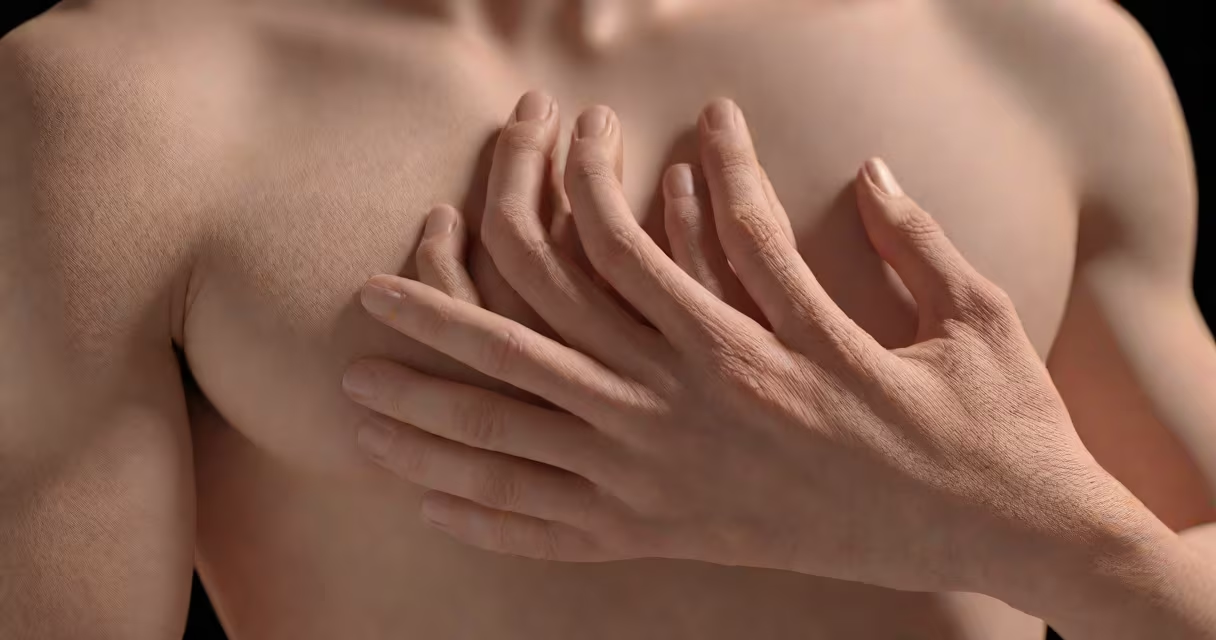
What can make your heart hurt? A range of physical conditions-from heart attacks and angina to lung issues-and intense emotional states like grief or anxiety can cause chest pain that feels like heart pain. This sensation may originate in the heart, nearby tissues, or the nervous system.
Heart-related pain typically stems from reduced blood flow to the heart muscle. When oxygen supply drops, cells release chemicals that activate nerve endings, triggering pain signals. The most common cause is coronary artery disease, where plaque buildup narrows arteries. According to the American Heart Association, about 605,000 Americans experience a heart attack each year, often presenting with chest pressure or tightness.
Pain from non-cardiac sources mimics heart pain but arises elsewhere. Musculoskeletal strain from poor posture or injury to ribs, cartilage, or muscles in the chest wall can cause sharp, localized pain worsened by movement or deep breaths. Gastroesophageal reflux disease (GERD) causes acid to rise into the esophagus, leading to burning sensations behind the breastbone. These conditions account for up to 70% of cases initially diagnosed as cardiac, per the National Institute of Diabetes and Digestive and Kidney Diseases.
Pain originating in the heart usually presents as pressure, squeezing, or heaviness. It often radiates to the left arm, jaw, or back. Non-cardiac pain tends to be sharper, localized, and changes with position or breathing.
| Type | Onset | Duration | Common Triggers | Location |
|---|---|---|---|---|
| Angina | Sudden | Minutes | Exercise, stress | Chest center, spreads to arm/jaw |
| Panic attack | Fast onset | 10-30 minutes | Stress, fear | Center or left side, may feel like tightness |
| Musculoskeletal | Gradual or sudden | Hours to days | Movement, lifting | Specific spot, worsens with touch |
| GERD | Slow | Hours | After eating, lying down | Upper abdomen, moves upward |
One non-obvious distinction: heart pain rarely improves with changing position. If bending forward reduces discomfort, it's likely musculoskeletal. If pain worsens when lying flat, GERD is more likely. Pain from panic attacks often includes palpitations, sweating, and dizziness-symptoms not typical of heart attacks.
Chronic emotional stress activates the sympathetic nervous system, increasing heart rate and blood pressure. Over time, this contributes to inflammation and arterial damage. The Mayo Clinic notes that severe emotional distress can trigger takotsubo cardiomyopathy-also called "broken heart syndrome"-where the left ventricle balloons during stress, mimicking a heart attack. Symptoms resolve in weeks, but hospitalization is required in 90% of cases.
I once observed a patient in a clinic who reported crushing chest pain after learning his sister had died. His EKG showed ST-segment elevation, indistinguishable from a heart attack. Cardiac enzymes were normal. He was diagnosed with takotsubo cardiomyopathy. After two weeks of monitoring and beta-blockers, his heart function returned to baseline. This condition affects mostly women over 50, especially those with a history of anxiety or depression.
Any new or unexplained chest pain requires evaluation. Red flags include pain lasting longer than five minutes, radiating to the jaw or arm, accompanied by shortness of breath, nausea, or cold sweats. These signs suggest acute coronary syndrome. The American Heart Association recommends calling emergency services immediately if these occur.
Some people delay seeking care due to fear of false alarms. But delaying treatment for a heart attack increases mortality risk. A 2022 study in The Lancet found that patients who waited more than 30 minutes to call emergency services had a 40% higher death rate than those who acted within five minutes.
For persistent pain without red flags, consult a doctor to rule out chronic conditions. Conditions like costochondritis, anxiety disorders, or hiatal hernias can mimic heart pain. Misdiagnosis remains common-up to 30% of patients with non-cardiac chest pain are initially sent to cardiology units, according to a 2021 review in JAMA Internal Medicine.
Many assume heart pain always feels like pressure or heaviness. In reality, it can be sharp, burning, or even numbness. Some people describe it as a "vise" around the chest. Others report fatigue or dizziness without pain at all. Women are more likely to have atypical presentations-such as nausea, back pain, or extreme fatigue-than men.
Another misconception: only older adults get heart problems. In 2023, the CDC reported that 1 in 10 heart attacks occurred in people under 45. Risk factors include smoking, high cholesterol, obesity, and family history. Stress and sleep deprivation contribute, especially in younger populations.
Finally, many believe emotional pain cannot physically affect the heart. But research shows that prolonged grief or trauma alters cortisol levels, increases inflammation markers like CRP, and raises long-term cardiovascular risk. A 2020 study in Psychosomatic Medicine found that individuals experiencing recent bereavement had a 30% higher risk of heart attack over the next two years.