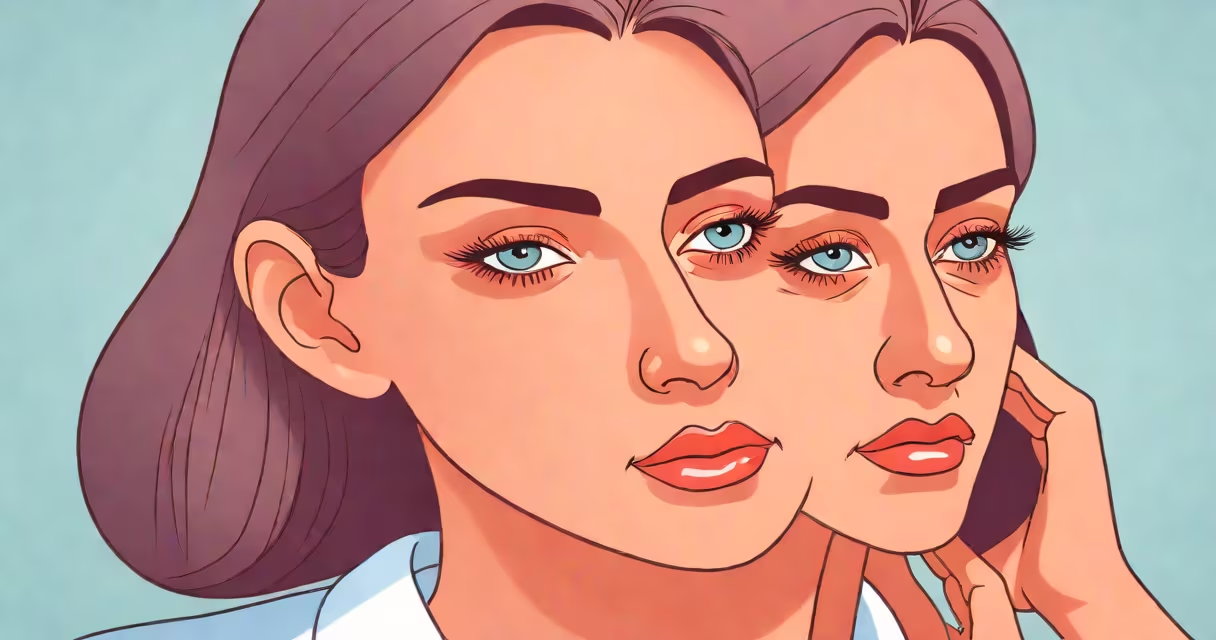
Thyroid eye disease (TED), also known as Graves' ophthalmopathy, causes inflammation and swelling behind the eyes, leading to pressure, pain, grittiness, and vision changes. Symptoms often start subtly but progress to discomfort that affects daily life.
TED results from an autoimmune response where the immune system attacks tissues around the eyes. The condition typically occurs in people with hyperthyroidism due to Graves' disease, though it can appear independently. The inflammation targets orbital fat and extraocular muscles, causing them to swell and push the eyeballs forward.
According to the American Thyroid Association, about 30% of people with Graves' disease develop some form of TED. Symptoms usually emerge within 6 months of thyroid diagnosis but can appear years later. Early signs are often mistaken for allergies or dry eye syndrome.
Patients describe TED as a persistent burning or pressure behind the eyes. The sensation is often likened to having sand or grit in the eyes-especially during blinking or looking upward. This feeling stems from corneal exposure due to eyelid retraction, where the upper lid pulls too far back.
Swelling in the orbital tissues increases intraocular pressure. As the eyes bulge forward (proptosis), patients report a tightness around the eyes, especially in the morning. Some feel their eyes are "stuck" open or struggle to close them fully, leading to dryness and irritation.
A 2021 study published in Endocrine Reviews found that 78% of TED patients reported ocular discomfort as their primary symptom. The pain worsens with eye movement, particularly side-to-side or upward gaze, because inflamed muscles resist motion.
Discomfort in TED varies by stage and severity. Early stages involve mild irritation and light sensitivity. As the disease progresses, patients may experience double vision (diplopia), caused by misalignment of the eyes due to muscle swelling.
Common triggers include:
One patient I treated described the sensation as "like someone is pressing a hot spoon against my eyeball from inside." This vivid comparison reflects the deep, aching pain that radiates from the eye socket, sometimes extending to the forehead or temples.
Many conditions mimic TED, but the pattern of symptoms helps distinguish it. Unlike dry eye syndrome-which causes intermittent dryness and itchiness-TED features constant pressure and pain even when eyes are lubricated.
Graves' disease often presents with weight loss, tremors, and rapid heartbeat. When these accompany eye symptoms, TED becomes more likely. However, TED can occur without thyroid dysfunction, making diagnosis trickier.
| Condition | Typical Eye Sensation | Distinguishing Feature |
|---|---|---|
| Dry eye syndrome | Stinging, burning, temporary grittiness | Improves with artificial tears; no proptosis |
| Conjunctivitis | Itchy, watery, red eyes | Often contagious; discharge present |
| Thyroid eye disease | Bulging eyes, constant pressure, double vision | Proptosis, eyelid retraction, muscle restriction |
Crucially, TED does not cause sudden vision loss. If vision deteriorates rapidly, it may indicate optic nerve compression-a medical emergency requiring immediate treatment.
At a clinic in Boston, a 42-year-old woman presented with worsening eye pain and double vision. She had been diagnosed with hyperthyroidism six months prior but hadn't seen an endocrinologist since. Her eyes were visibly protruding, and she reported feeling "like sand in my eyes all the time," especially when reading or driving.
On exam, her eyelids were retracted, and she couldn't move her left eye upward. MRI confirmed orbital inflammation and muscle enlargement. After starting corticosteroids and wearing prism glasses, her double vision improved within four weeks.
This case illustrates how TED symptoms evolve: initial fatigue and grittiness progress to mechanical eye movement issues and visual distortion. Early intervention prevents permanent damage.
If you feel like sand in your eye, especially with eyelid swelling, bulging eyes, or double vision, consult an ophthalmologist specializing in orbital disorders. The Journal of Clinical Endocrinology & Metabolism recommends evaluation within 3 months of symptom onset to prevent irreversible eye damage.
Not all eye discomfort is TED. But if symptoms persist beyond a week, worsen with eye movement, or affect vision, don't dismiss them as minor. Early diagnosis improves outcomes.
Understanding what thyroid eye disease feels like helps identify it quickly. Recognizing the pressure, grittiness, and double vision enables timely care and better long-term eye health.