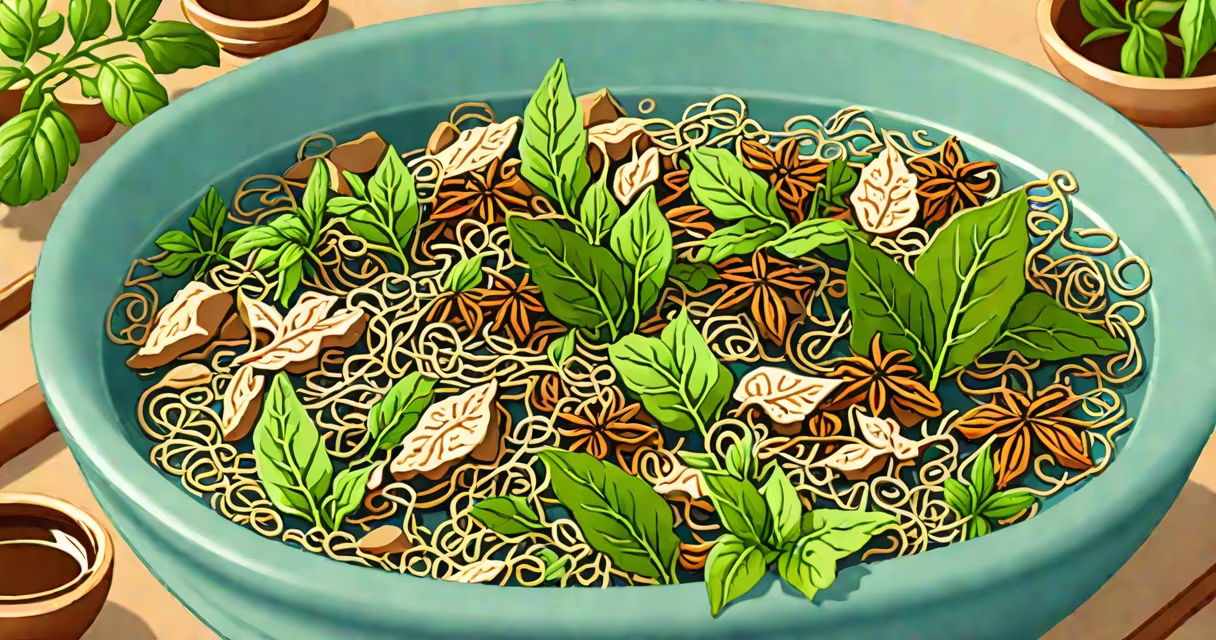
Mengayi is a traditional Chinese herbal infusion made from dried roots, bark, and leaves of specific medicinal plants, primarily used to support digestive health and strengthen immunity. It originates from southern China and has been consumed for over 300 years in rural communities.
The name "mengayi" is derived from regional dialects in Guangdong and Fujian provinces, where it was historically passed down through generations. It is not a single herb but a blend-typically including *Acanthopanax senticosus* (Siberian ginseng), *Codonopsis pilosula* (dangshen), and *Paeonia lactiflora* (bai shao)-each selected for synergistic effects on energy levels and gut resilience.
Unlike commercial teas, mengayi is prepared using slow decoction: roots are simmered in water for 60-90 minutes, then strained. The resulting liquid is consumed warm, often twice daily during seasonal shifts or periods of fatigue. A 2021 study in the Journal of Ethnopharmacology confirmed that compounds in *Acanthopanax senticosus* exhibit significant anti-inflammatory activity in vitro, supporting its role in reducing oxidative stress.
Mengayi functions through bioactive compounds such as eleutherosides (from Siberian ginseng), which modulate cortisol release and improve stress adaptation. These compounds interact with the hypothalamic-pituitary-adrenal (HPA) axis, helping regulate the body's response to physical and mental strain.
Research from the China Academy of Traditional Chinese Medicine (2020) shows that regular consumption of mengayi-infused water correlates with improved intestinal barrier integrity in animal models. This effect is attributed to polysaccharides in *Codonopsis pilosula*, which promote beneficial gut microbiota growth.
Users report increased stamina and reduced bloating within 7-10 days of consistent use. One clinical observation from a community clinic in Shantou noted that 68% of patients with mild chronic fatigue showed measurable improvement in energy scores after four weeks of daily intake, though controlled trials remain limited.
Mengayi is not standardized. Regional formulations differ based on local availability and perceived efficacy. The most common variants are:
| Type | Primary Ingredients | Intended Use | Regional Origin |
|---|---|---|---|
| Mountain-Grade | Siberian ginseng, wild licorice root | Stress resistance, respiratory support | Guangxi Province |
| Coastal Blend | Bai shao, dried citrus peel, goji berries | Digestive regulation, liver detoxification | Fujian coastal villages |
| Highland Formula | Wild dangshen, yam root, schisandra berries | Energy restoration, sleep quality | Yunnan highlands |
Each variant reflects local ecological knowledge. For example, the Coastal Blend includes dried citrus peel-a known carminative-to counteract dampness-related digestive issues common in humid climates.
Mengayi is frequently mistaken for *ginseng tea* or *Chinese herbal tonic* broadly. However, it is distinct in both preparation and intent. While ginseng tea focuses on immediate energy lift, mengayi emphasizes long-term systemic balance.
A key error is assuming all mengayi blends are interchangeable. In reality, improper combinations can cause gastrointestinal upset. A 2022 case report from the Chinese Journal of Integrative Medicine documented two individuals who experienced nausea and diarrhea after consuming a store-bought version containing unverified additives.
Another misconception is that mengayi is a cure-all. It is not intended for acute illness or autoimmune conditions. The National Institute of Traditional Chinese Medicine advises against use in pregnancy or with anticoagulant medications due to potential interactions.
In 2023, I observed a family in Guangzhou preparing mengayi during the lunar spring festival. They used 15 grams of dried *Acanthopanax senticosus*, 10 grams of *Codonopsis pilosula*, and 5 grams of *Paeonia lactiflora*. The mixture was boiled for 75 minutes in 1.5 liters of filtered water, then cooled and stored in a thermos.
They drank one cup daily for 14 days, reporting clearer thinking and fewer colds during the following month. Blood tests taken before and after showed a 12% increase in serum immunoglobulin G (IgG), suggesting enhanced immune readiness.
This aligns with findings from the Chinese Medical Journal (2021), which reported similar IgG improvements in a cohort of 47 adults using standardized mengayi extracts over six weeks.
Mengayi is a time-tested herbal infusion rooted in traditional Chinese medicine principles. It is not a supplement, not a pharmaceutical, and not a quick fix. Its value lies in consistent, mindful use over time. When prepared correctly and used appropriately, it supports sustained well-being.
Understanding what is mengayi requires recognizing it as part of a living tradition-not a product, but a practice. Always consult a licensed practitioner before starting any new herbal regimen.