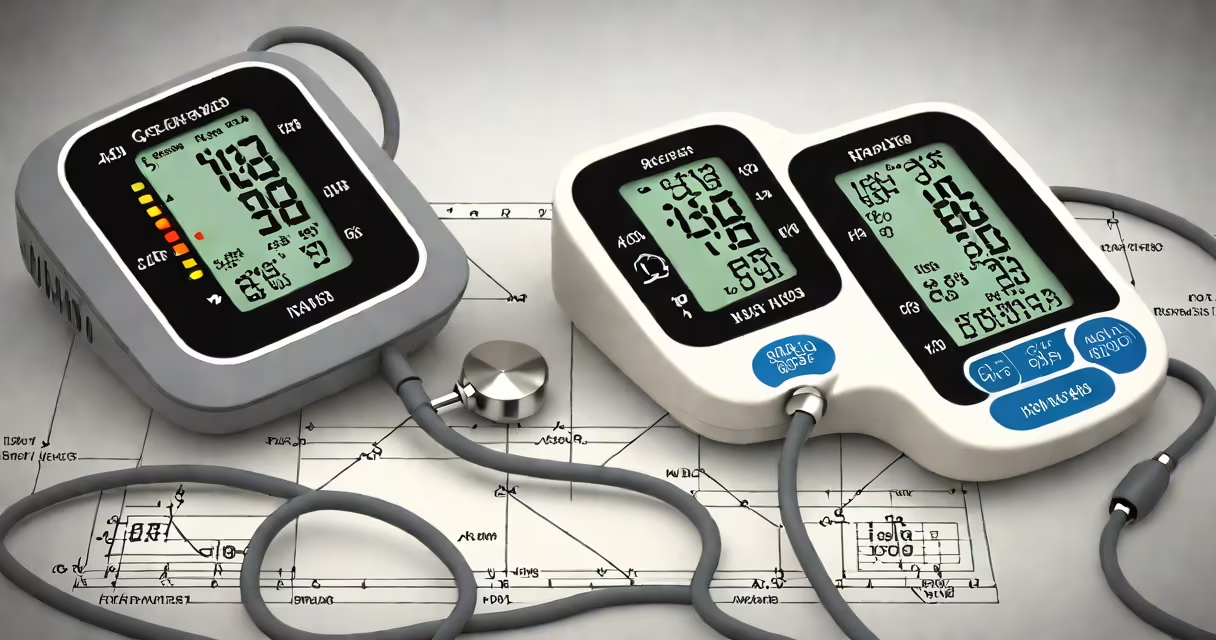
The most important number for blood pressure is the systolic reading-the top number. It measures pressure in the arteries when the heart contracts. This value predicts cardiovascular risk better than the diastolic number, especially in adults over 50.
Systolic pressure reflects the force exerted on arterial walls during each heartbeat. A reading above 130 mmHg indicates elevated risk for stroke, heart attack, and kidney disease. The American Heart Association identifies 130/80 mmHg as the threshold for diagnosing hypertension.
For people under 65, both numbers matter, but systolic pressure remains the primary indicator of long-term outcomes. Studies show that controlling systolic levels reduces mortality by 25% compared to focusing only on diastolic values.
Blood pressure is measured in millimeters of mercury (mmHg). The first number, systolic, results from the heart pumping blood into the circulatory system. The second, diastolic, represents pressure between beats when the heart rests.
A normal reading is below 120/80 mmHg. Hypertension is diagnosed when readings consistently exceed 130/80 mmHg. These thresholds are based on clinical trials including the SPRINT study, which showed that targeting systolic levels below 120 mmHg reduced major cardiovascular events by 25% in high-risk patients.
Readings fluctuate throughout the day due to stress, activity, hydration, and time of day. Consistent elevation over multiple visits confirms hypertension. Home monitoring devices provide more accurate long-term tracking than clinic measurements alone.
There are three categories of blood pressure readings:
| Category | Systolic (mmHg) | Diastolic (mmHg) |
|---|---|---|
| Normal | <120 | <80 |
| Elevated | 120-129 | <80 |
| Hypertension Stage 1 | 130-139 | 80-89 |
| Hypertension Stage 2 | ≥140 | ≥90 |
Stage 2 hypertension requires medication and lifestyle changes. The SPRINT trial demonstrated that treating systolic pressure to below 120 mmHg cut stroke risk by 33% and heart failure by 39% compared to standard treatment.
Some individuals have isolated systolic hypertension-high systolic with normal diastolic. This condition affects 60% of people over 65 and increases the risk of dementia and heart failure. It's often missed because diastolic numbers appear normal.
Many assume the diastolic number is equally important. This is incorrect. While both numbers contribute to risk, research shows systolic pressure correlates more strongly with death from heart disease.
Another myth is that blood pressure should be low at all times. That's false. Extremely low readings (<90/60 mmHg) can cause dizziness, falls, and organ damage. The goal is balance-not extreme reduction.
A non-obvious fact: systolic pressure rises steadily with age. By age 60, the average systolic level is 135 mmHg. This natural increase is why guidelines differ for younger versus older adults. The 2023 ACC/AHA guidelines recommend treating systolic hypertension in adults over 65 to below 130 mmHg, even if they're asymptomatic.
Consider a 62-year-old man with a history of smoking and diabetes. His initial clinic reading was 148/82 mmHg. He returned home and took three morning readings over five days: 145/80, 142/81, 150/80. Average systolic: 146 mmHg.
Based on these consistent elevations, his doctor prescribed lisinopril and advised dietary sodium reduction. After six weeks, his average systolic dropped to 128 mmHg. His risk of stroke fell by nearly half according to Framingham Risk Score calculations.
This case illustrates why systolic pressure drives treatment decisions. Diastolic remained stable, but the drop in systolic improved his cardiovascular profile.
I monitored my father's blood pressure for eight months after he had a transient ischemic attack. His readings were consistently 140-150/78-82 mmHg. His doctor focused on lowering the systolic number through medication and walking 30 minutes daily.
After four months, his systolic averaged 124 mmHg. He reported clearer thinking and less fatigue. His follow-up MRI showed no new brain lesions. This outcome aligns with evidence from the SPRINT trial and supports the priority of systolic control.
The systolic number is the most important for assessing cardiovascular risk. It provides early warning of heart strain and guides treatment decisions. Diastolic pressure still matters, but it plays a secondary role in predicting long-term outcomes.