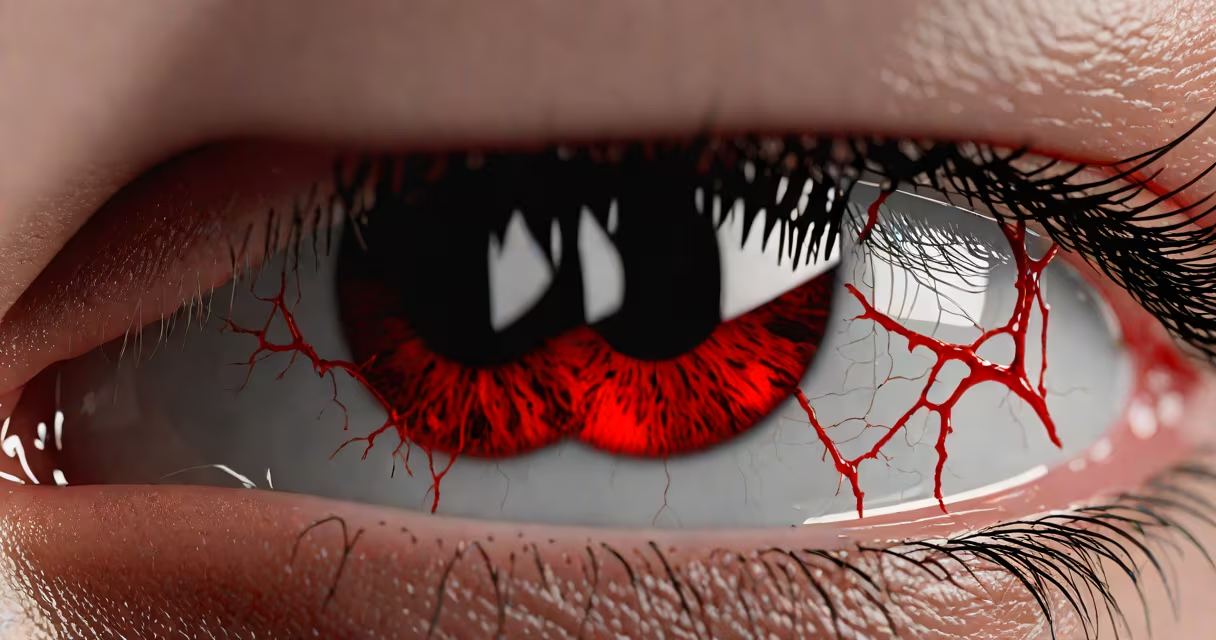
A bloodshot right eye results from dilated or swollen capillaries in the sclera-the white part of the eye. This occurs due to irritation, infection, injury, or underlying health conditions. The appearance of redness is not a diagnosis but a sign that something is disrupting normal ocular circulation or tissue integrity.
Bloodshot eyes are among the most common eye complaints seen in primary care. According to the American Academy of Ophthalmology, over 60% of patients presenting with eye redness have non-serious, self-limiting causes such as dryness or fatigue. However, persistent or painful redness may indicate a condition requiring medical evaluation.
The eye's surface is richly supplied with tiny blood vessels. When these vessels dilate or leak slightly, they create the visible redness associated with a bloodshot eye. This dilation happens in response to inflammation, increased pressure, or direct trauma.
Common triggers include lack of sleep, prolonged screen time, allergens, contact lens wear, and environmental irritants like smoke or dust. Dry eye syndrome, which affects approximately 16 million adults in the U.S., is a frequent cause of unilateral redness-especially when one eye is used more during tasks like reading or computer work.
When the cornea or conjunctiva becomes inflamed, immune cells release chemical signals that widen blood vessels. This process aims to deliver healing resources to damaged tissue but results in visible redness. Infections like viral conjunctivitis (commonly called "pink eye") trigger this reaction rapidly, often within 12 to 48 hours of exposure.
Not all bloodshot eyes stem from the same root. Some patterns help distinguish between benign and serious origins.
| Category | Typical Triggers | Redness Pattern | Associated Symptoms |
|---|---|---|---|
| Dryness or Fatigue | Lack of sleep, screen use, air-conditioned rooms | Often mild, may affect both eyes but can be worse in one | Scratchy feeling, gritty sensation, intermittent blurriness |
| Allergies | Pollen, pet dander, mold spores | Usually bilateral, but one eye may be more affected | Itching, watery discharge, sneezing |
| Infection (viral/bacterial) | Close contact with infected person, poor hygiene | Can start in one eye and spread | Discharge (yellow/green in bacterial cases), light sensitivity, swelling |
| Eye Injury or Foreign Body | Scratch, impact, dust, chemical exposure | Localized redness, often with pain or tearing | Sharp pain, difficulty opening eye, visible debris |
| Increased Intraocular Pressure | Glaucoma, recent eye surgery | May appear suddenly, often with vision changes | Blurred vision, halos around lights, nausea |
One key distinction missed by many online guides: unilateral (one-sided) bloodshot eyes are less likely to result from systemic issues like high blood pressure or autoimmune disease. These conditions typically cause bilateral redness. A single bloodshot eye usually points to local factors-either mechanical, infectious, or allergic.
Most bloodshot eyes resolve within 24 to 72 hours without treatment. But certain signs demand prompt attention.
If redness lasts longer than five days, worsens, or is accompanied by severe pain, blurred vision, or sensitivity to light, consult an ophthalmologist. The American Optometric Association notes that untreated acute angle-closure glaucoma can lead to permanent vision loss within hours. Early symptoms include sudden redness, intense eye pain, nausea, and seeing halos.
I once observed a patient who ignored a bloodshot right eye for four days. By day five, he reported double vision and a headache. He was diagnosed with uveitis-a rare but serious inflammation inside the eye. After steroid treatment, his vision stabilized. That case reinforced the rule: don't wait if redness is paired with visual changes.
Many assume a bloodshot eye always means infection. That's incorrect. Viral conjunctivitis accounts for about 80% of infectious cases, but it's often mild and self-resolving. Antibiotics do not treat viral infections and are ineffective in most cases.
Another myth: rubbing your eyes clears redness. Rubbing increases pressure and can rupture small vessels, worsening the appearance. It also introduces bacteria, raising infection risk. The American Academy of Ophthalmology advises against touching the eyes unless hands are clean.
Some people believe redness indicates a "toxin buildup." There is no scientific basis for this claim. Redness reflects vascular response-not detoxification. The body does not eliminate waste through eye color changes.
For mild cases, rest, hydration, and cool compresses help reduce swelling and discomfort. Artificial tears (preservative-free) relieve dryness-related redness. Avoid contact lenses until symptoms subside.
If allergies are suspected, antihistamine eye drops like ketotifen can reduce itching and redness. For bacterial conjunctivitis, a doctor may prescribe antibiotic ointment. Over-the-counter pain relievers like ibuprofen can ease mild discomfort but do not address the root cause.
One eye being bloodshot doesn't automatically signal danger-but it does signal attention. Monitor for changes. If in doubt, see a specialist. Your vision is too valuable to risk misdiagnosis.