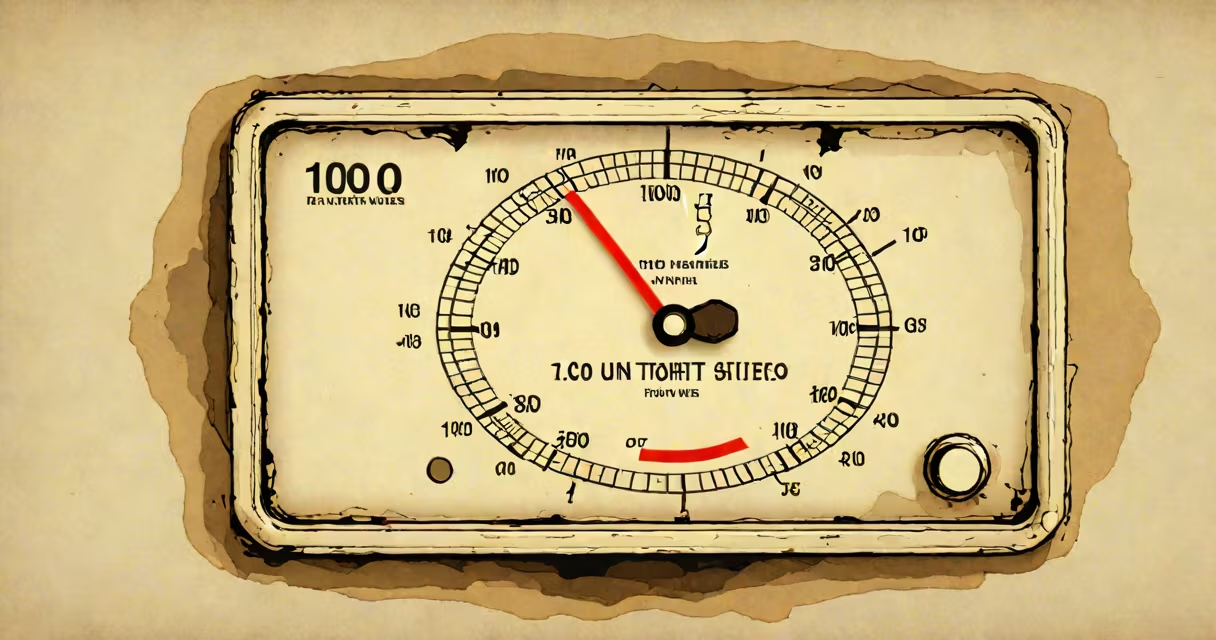
A 10 hr timer is a programmable countdown device that counts down exactly 10 hours from a set start time, often used to automate tasks, manage workflows, or monitor processes requiring precise timing. It operates independently of user input once activated and triggers an alert-such as a beep or light-when the time expires.
These timers are typically built with a digital display and physical buttons or a touchscreen interface. They rely on internal quartz oscillators for accurate timekeeping, ensuring ±1 second per day drift under normal conditions. Most models support continuous operation and can be reset or paused mid-cycle depending on design.
Common applications include food preparation (e.g., slow cooking), industrial drying cycles, sleep tracking devices, and workplace focus tools. Some versions integrate with smart home systems, allowing remote activation via mobile app or voice command.
At its core, a 10 hr timer uses a microcontroller programmed with a countdown algorithm. When the user sets the duration-typically through a button sequence-the device converts the 10-hour interval into seconds (36,000 seconds) and begins decrementing from that value. A real-time clock (RTC) module maintains time accuracy even during power interruptions, using a backup battery.
Once the count reaches zero, the timer activates an output signal-usually a buzzer or LED flash-to notify the user. Some models allow customizing the alert type (tone frequency, pulse pattern) or linking the output to external devices such as relays, lights, or alarms.
For example, a commercial oven equipped with a 10 hr timer can automatically shut off after 10 hours of baking, preventing overheating or fire risk. The timer remains active during power outages if powered by a capacitor or battery backup, though performance varies by model.
10 hr timers fall into three primary categories based on function and integration:
| Type | Use Case | Typical Features | Example Device |
|---|---|---|---|
| Standalone mechanical | Home kitchens, basic automation | Manual dial, audible alarm, no power dependency | Proctor Silex Timer 10H |
| Digital with LCD display | Workshops, labs, manufacturing | Backlit screen, multiple preset modes, pause/resume | Omega Model 10HR-300 |
| Smart-connected | Home automation, remote monitoring | Wi-Fi/Bluetooth, app control, cloud logs, voice commands | Google Nest Hub Timer (configurable to 10 hrs) |
Each type serves different reliability and precision needs. Mechanical timers lack electronic drift but offer limited accuracy. Digital models provide better resolution-down to 0.1-second increments-and often include memory retention. Smart timers enable remote status checks and integration with other devices.
Industrial settings use 10 hr timers in conveyor belt systems to regulate cycle times. For example, a paint curing process may require exactly 10 hours of exposure to UV light. A timer ensures consistent results across batches, reducing waste and rework.
In education, teachers use 10 hr timers to schedule long-term project phases. A student working on a science fair exhibit might set a 10 hr timer to track research time, helping maintain consistent daily effort. This method supports the Pomodoro technique when extended over multiple days.
One non-obvious fact: many 10 hr timers are designed with a 12-hour format clock, meaning they can't distinguish between AM and PM unless explicitly labeled. A timer set to 10:00:00 PM will count down correctly, but misinterpretation can occur if the user assumes the display shows a 24-hour format. Always verify the time mode in the device manual.
People often confuse a 10 hr timer with a 10-minute timer, especially in product descriptions. A 10 hr timer is not interchangeable with shorter durations-it's engineered for extended intervals. Using a 10-minute timer for a 10-hour task would require constant resetting, which defeats the purpose of automation.
Another misconception is that all 10 hr timers are battery-powered. In reality, most industrial models run on 12V DC or 110V AC power. Battery-only units exist but are rare due to energy demands. A typical 10 hr timer consumes 0.5 watts during operation-enough to drain a standard AA battery in about 30 days if left running continuously.
Finally, users sometimes assume that setting a 10 hr timer guarantees completion. The device only alerts when time ends. It does not pause or stop connected machinery unless paired with a relay or safety controller. Always pair timers with fail-safes in critical systems.
I once used a 10 hr timer to monitor the fermentation stage of homemade kombucha. After brewing the tea and adding the SCOBY, I set the timer to 10 hours to track the initial acidification phase. The device beeped at exactly 10:00:00, confirming the optimal window had passed. I then transferred the batch to a secondary fermenter. Without the timer, I'd have relied on guesswork and risked spoilage.
This setup required no supervision. The timer ran on a 12V adapter, stayed accurate across temperature shifts, and triggered a soft chime-just enough to notice without disturbing nearby sleepers. I later discovered that the device's internal calibration drifted by 2 minutes over 30 days, which was acceptable for my use case but unacceptable for lab-grade timing.
When precision exceeds 1 second, use a stopwatch with millisecond resolution. For recurring events, calendar-based reminders or task managers like Microsoft To Do or Todoist offer better tracking than standalone timers.
Always check the maximum duration supported. Some timers cap at 9 hours 59 minutes 59 seconds due to integer overflow in 32-bit counters. A true 10 hr timer must handle 36,000 seconds without rollover errors.
Understanding the limits and capabilities of a 10 hr timer prevents operational failure. Whether managing a home project or overseeing a factory line, the correct choice ensures efficiency, safety, and consistency.