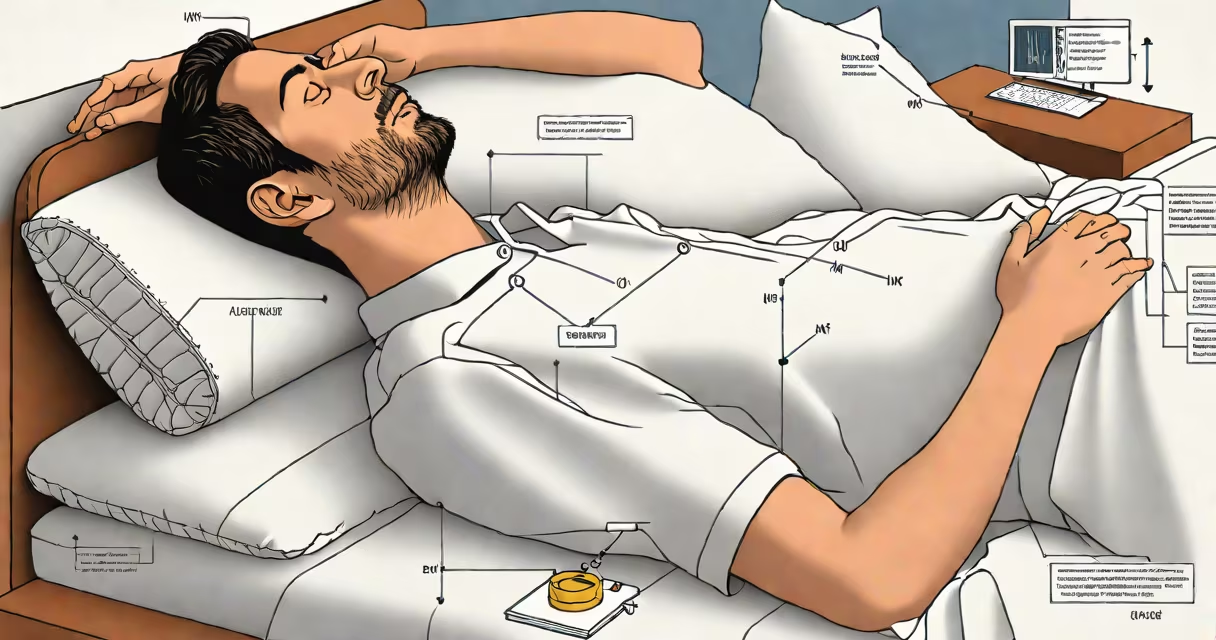
Waking with neck pain typically results from poor sleep posture, inadequate pillow support, or underlying musculoskeletal strain. The neck bears significant load during sleep, and even minor misalignment can trigger discomfort. This issue affects about 15% of adults who report daily neck pain, with sleep-related onset being common.
Neck pain upon waking often begins subtly-tightness in the upper trapezius muscles, stiffness when turning the head, or a dull ache radiating from the base of the skull. These symptoms arise because the cervical spine (neck vertebrae) and surrounding soft tissues remain under stress throughout the night. Even slight deviations from neutral alignment during sleep can compress nerves, strain ligaments, or cause muscle fatigue.
The American Academy of Orthopaedic Surgeons notes that sleeping on your stomach increases spinal torsion and places unnatural pressure on the neck. Side sleepers may develop asymmetrical strain if their pillow doesn't maintain head alignment with the spine. Back sleepers risk hyperextending the neck if the pillow is too thick or too thin. Each position demands specific support to prevent pain.
Proper spinal alignment during sleep requires the head to rest in line with the shoulders and spine. When this alignment fails, the neck muscles compensate by contracting to stabilize the head. Over time, sustained contraction leads to muscle fatigue and localized pain.
Back sleepers should use a pillow that keeps the neck slightly elevated-about 2 to 3 inches-to maintain the natural curve of the cervical spine. Too much elevation flattens the curve and increases disc pressure. Too little causes the head to drop forward, stretching the posterior neck muscles.
Side sleepers benefit from a firm pillow that fills the gap between the ear and shoulder. A pillow that's too soft allows the head to sink, tilting the neck sideways. This creates uneven loading on the facet joints and can contribute to joint inflammation over time. A study published in Spine Journal found that side sleepers using medium-firm pillows reported 40% less neck pain compared to those using soft or overly firm options.
Pillows vary in material, density, and shape. Memory foam conforms to the head and neck but may retain heat, leading to discomfort for hot sleepers. Latex offers better breathability and durability. Down or feather pillows lack structural support and flatten quickly, failing to maintain alignment.
Contoured or cervical pillows are designed specifically to cradle the neck and support the head's weight. They feature a raised center section and lower outer edges to promote neutral alignment. Research from the Journal of Physical Therapy Science showed that participants using contoured pillows experienced reduced neck pain intensity after four weeks compared to standard flat pillows.
| Pillow Type | Best For | Common Issues |
|---|---|---|
| Memory foam | Side and back sleepers needing contouring | Heat retention, long-term compression |
| Latex | Hot sleepers, allergy sufferers | Higher cost, firmer feel |
| Down/feather | Softness preference | Low support, flattens over time |
| Contoured/cervical | Chronic neck pain, side sleepers | Initial adjustment period |
One non-obvious factor: pillow height changes with use. A memory foam pillow compresses 10-15% within the first month, reducing support. Replacing it annually ensures consistent alignment. I replaced my 18-month-old memory foam pillow and noticed immediate improvement in morning stiffness-a change confirmed by a physical therapist during a follow-up visit.
While most cases stem from mechanical factors, persistent neck pain upon waking may indicate an underlying condition. Cervical spondylosis-degenerative changes in the neck vertebrae-can worsen during rest due to reduced blood flow and increased stiffness. Symptoms include radiating pain, numbness in the arms, or reduced range of motion.
Fibromyalgia often presents with widespread pain, including the neck, and is associated with disrupted sleep architecture. People with fibromyalgia report higher rates of morning stiffness and fatigue. According to the National Institute of Arthritis and Musculoskeletal and Skin Diseases, nearly 70% of fibromyalgia patients experience neck pain as a primary symptom.
Less commonly, sleep apnea contributes to neck pain. Repeated breathing interruptions during sleep lead to hypoxia and muscle tension. The body compensates by tensing neck muscles to keep airways open. A 2021 study in Respiratory Medicine linked untreated obstructive sleep apnea with increased neck muscle activity during REM sleep.
Many assume neck pain is simply "from sleeping wrong." But the root cause often lies in long-term habits, not one bad night. Blaming a single pillow or position ignores cumulative strain. For example, working at a desk with a forward head posture weakens neck stabilizers. This makes the neck more vulnerable to pain during sleep, even with ideal positioning.
Another misconception: "I don't have pain during the day, so it's not serious." Pain that appears only in the morning may indicate early-stage degeneration or nerve irritation. Delayed onset suggests the body has compensated during the day but fails overnight when muscles relax.
Some people try to "sleep through" the pain. This worsens tissue damage. The body repairs itself during deep sleep. Chronic pain disrupts this cycle, leading to inflammation and reduced healing capacity. The Mayo Clinic warns that ignoring recurring neck pain increases the risk of chronic disability.
Start with a few minutes of gentle movement. Rotate the neck slowly in both directions, then tilt the head side to side. Avoid sudden jerking motions. Apply a warm compress to the affected area for 10-15 minutes to increase blood flow and reduce muscle spasms.
If pain persists beyond 24 hours, consult a healthcare provider. Imaging such as MRI may be needed if there's neurological involvement-numbness, weakness, or loss of coordination. Physical therapy is effective for 70% of patients with non-specific neck pain, according to the Cochrane Database of Systematic Reviews.
Recurring neck pain upon waking is rarely random. It reflects biomechanical stress, poor support, or undiagnosed conditions. Addressing the root cause-whether it's pillow choice, sleeping position, or a medical issue-leads to lasting relief. Consistent alignment and targeted care prevent progression to chronic pain.