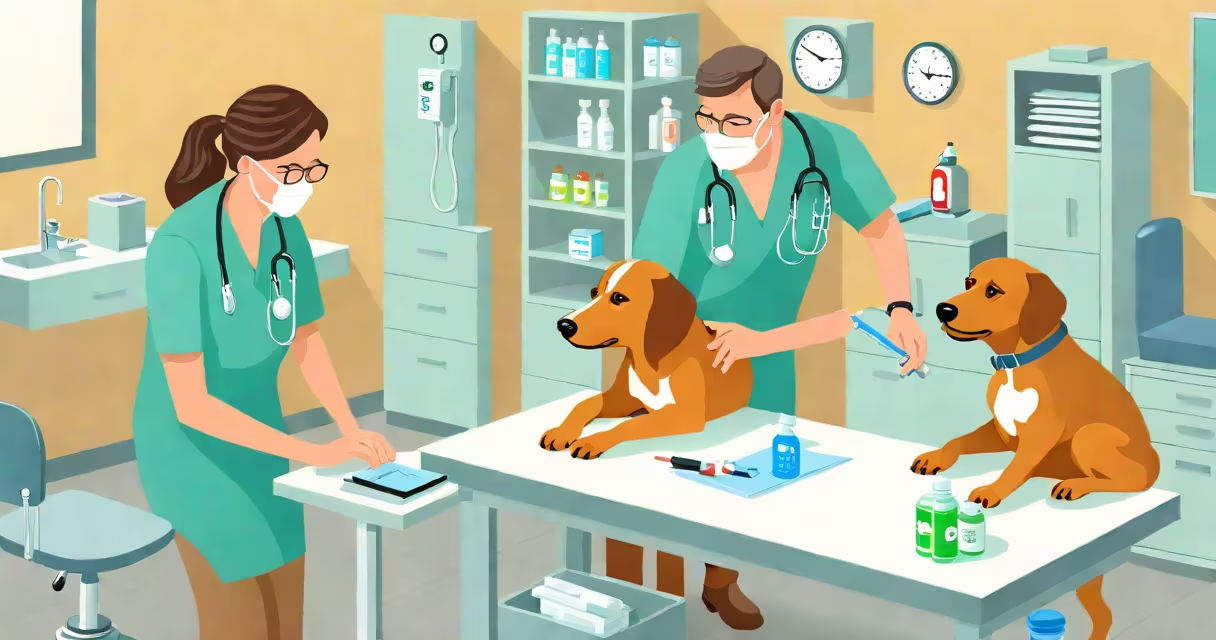
Dogs usually receive their first rabies vaccine between 12 and 16 weeks of age, according to guidelines from the American Veterinary Medical Association (AVMA) and the Centers for Disease Control and Prevention (CDC). This initial dose is required by law in most U.S. states and is essential for public health and animal control.
Rabies vaccines are administered to puppies during their core vaccination series, which includes protection against distemper, adenovirus, parvovirus, and leptospirosis. The timing of the rabies shot aligns with the completion of maternal antibody fade, which typically occurs around 12 weeks. Administering the vaccine too early may result in poor immune response due to interference from maternal antibodies.
The CDC notes that while the first rabies vaccine is generally given at 12 weeks, some states require it as early as 12 weeks and mandate a booster within one year. State laws vary widely, and failure to comply can lead to fines or quarantine orders if a dog bites someone. Veterinarians follow local regulations closely to ensure compliance.
The rabies vaccine contains inactivated virus particles that stimulate the dog's immune system to produce antibodies without causing disease. After injection, the body develops memory cells that recognize and neutralize the actual rabies virus if exposure occurs later.
Vaccination does not provide immediate protection. Immunity typically takes 28 days to develop fully. During this window, dogs remain vulnerable. A dog exposed to a rabid animal before full immunity is established may still contract the disease, making timely vaccination critical.
Once immunity is confirmed, the vaccine provides long-term protection. The duration varies by product. Some brands offer three-year immunity, while others require annual boosters. The vaccine's effectiveness is well-documented: the CDC reports that unvaccinated dogs have a nearly 100% fatality rate if infected, whereas vaccinated dogs survive 99% of exposures.
Two main types of rabies vaccines are approved for dogs in the United States: killed virus vaccines and recombinant vaccines. Killed virus vaccines contain inactivated virus and are the most commonly used. Recombinant vaccines use genetic material from the virus to trigger immunity and are sometimes preferred for dogs with history of vaccine reactions.
State laws determine the minimum age for first vaccination and the frequency of boosters. For example:
| State | First Dose Age | Booster Interval | Required by Law? |
|---|---|---|---|
| New York | 12 weeks | 1 year | Yes |
| California | 12 weeks | 1 year | Yes |
| Texas | 12 weeks | 3 years (if 3-year vaccine used) | Yes |
| Florida | 12 weeks | 1 year | Yes |
Some states allow veterinarians to administer the vaccine earlier under specific circumstances, such as travel to high-risk areas. However, these exceptions are rare and require documentation. The AVMA emphasizes that even if a state permits early vaccination, it is not recommended unless medically justified.
Many people assume that puppies can be vaccinated earlier than 12 weeks because they're eager to protect their pets. This belief leads to premature vaccination, which reduces vaccine efficacy. Maternal antibodies can suppress the immune response to the vaccine until they decline, typically around 12 weeks.
A common error is thinking that indoor-only dogs don't need rabies vaccination. This is false. All U.S. states require rabies vaccination regardless of lifestyle. Even dogs that never leave the house can encounter wildlife-such as raccoons, bats, or foxes-that carry rabies. The CDC confirms that 70% of rabies cases in domestic animals involve exposure to wild animals.
Another misconception is that the rabies vaccine causes behavioral changes. There is no scientific evidence linking the vaccine to aggression or neurological disorders. Side effects are rare and mild-localized swelling, lethargy, or temporary fever. Severe reactions occur in fewer than 1 in 10,000 doses, according to the AVMA.
Consider a puppy named Scout, born on January 1. His owner schedules his first vet visit at 6 weeks. At that time, the vet administers DHPP (distemper, hepatitis, parainfluenza, parvovirus) and begins the core vaccine series. At 12 weeks, Scout receives his first rabies vaccine. The vet records the date, vaccine brand, and lot number in the dog's medical file.
Scout's owner receives a certificate of vaccination, which is required for licensing and boarding. Six months later, at 18 months, Scout returns for his booster. The vet checks the previous record and confirms the vaccine was effective. The dog is now legally compliant and protected.
When Scout's owner travels to a national park in Colorado, park rangers check the vaccination certificate. Without it, Scout would be denied entry. This illustrates how the vaccine serves both individual and community health.
Veterinarians administer the rabies vaccine during routine wellness visits. Most clinics offer scheduled appointments, and many accept walk-ins. The cost averages $15 to $30, depending on location and provider. Some animal shelters and nonprofit organizations host free or low-cost vaccination events.
I once observed a mobile clinic in rural Oregon vaccinate 42 dogs in a single day. The team used portable refrigeration units to maintain vaccine integrity. They recorded each dog's details and issued certificates. This event prevented potential outbreaks in a region with high wildlife rabies prevalence.
Dogs get their first rabies vaccine at 12 weeks of age, though some states allow administration as early as 12 weeks. The vaccine is mandatory in all U.S. states and must be repeated according to state law-typically annually or every three years, depending on the product used. The timing ensures optimal immune response and legal compliance. Failure to vaccinate puts both the dog and public at risk.
Understanding the correct timing for the rabies vaccine is essential for responsible pet ownership. Always consult your veterinarian to confirm the appropriate schedule based on your state's regulations. For more on puppy vaccination timelines, see this guide.