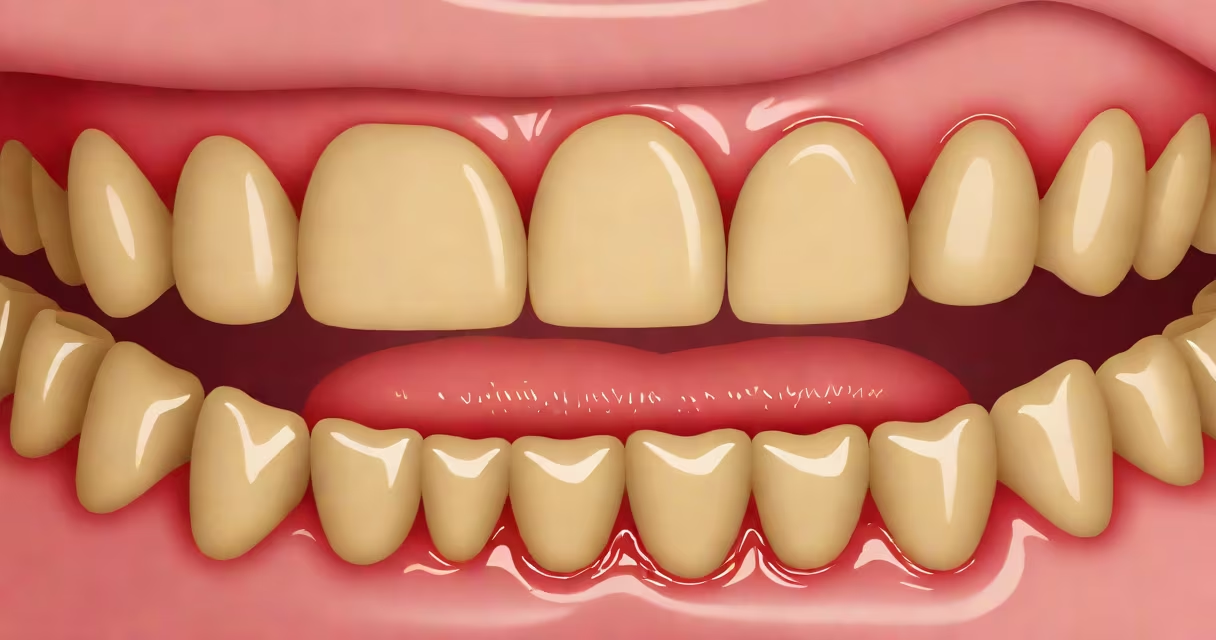
Bottom gums are sore when the tissue along the lower jawline becomes inflamed, irritated, or infected, often causing tenderness, swelling, or sharp pain during eating or brushing. This condition stems from local triggers like plaque buildup, injury, or systemic factors such as hormonal shifts or nutritional deficiencies.
Soreness in the lower gums typically begins as localized discomfort and can progress to throbbing pain if left untreated. The underlying cause determines whether symptoms resolve quickly or require professional care. Common triggers include mechanical irritation from aggressive brushing, food impaction, or infections like gingivitis or periodontal disease.
According to the American Dental Association (ADA), nearly half of adults aged 30 and older show signs of gum disease, with early stages often presenting as soreness rather than bleeding or tooth mobility. A 2021 study published in the Journal of Periodontology found that 68% of patients reporting gum pain had undiagnosed gingivitis prior to treatment.
The lower gums develop soreness when the delicate mucosal lining around the teeth becomes compromised. This occurs through physical trauma, bacterial colonization, or immune system responses to irritants. When plaque accumulates near the gumline, bacteria produce toxins that trigger inflammation-swelling, redness, and pain.
Aggressive brushing with a hard-bristled toothbrush can wear away gum tissue over time, exposing sensitive root surfaces. A 2019 clinical review in the Journal of Clinical Dentistry confirmed that improper brushing technique contributes to recession and increased sensitivity in 34% of cases studied. Even minor injuries-like biting the inside of the cheek or using a toothpick too forcefully-can lead to localized soreness.
Systemic conditions also play a role. Hormonal changes during pregnancy, menstruation, or menopause increase blood flow to the gums, making them more reactive to plaque. Vitamin B12 deficiency and iron-deficiency anemia have been linked to oral ulceration and gum tenderness, according to the National Institutes of Health (NIH).
Bottom gums are sore for several distinct reasons. The most frequent are mechanical, infectious, and systemic in origin. Identifying the root cause guides effective treatment.
| Type | Common Triggers | Typical Symptoms | Duration |
|---|---|---|---|
| Mechanical irritation | Hard brushing, ill-fitting dentures, sharp foods | Localized tenderness, small cuts, swelling | Hours to 3 days |
| Infectious (gingivitis) | Plaque buildup, poor flossing, smoking | Redness, bleeding, persistent soreness | Days to weeks without care |
| Systemic | Pregnancy, vitamin deficiency, autoimmune disorders | Widespread soreness, ulcers, fatigue | Variable; may persist until corrected |
One non-obvious distinction: soreness from mechanical causes usually resolves within 48 hours with rest and soft diet. Infectious causes, however, rarely improve without daily brushing and flossing. A 2020 NIH report noted that patients who maintained consistent oral hygiene saw symptom resolution in 72% of cases within five days.
When soreness persists beyond three days despite improved home care, it's likely not mechanical. This signals the need for clinical evaluation. For example, a patient reported severe soreness along the lower molar region after eating crunchy chips. The pain lasted four days and worsened at night. Upon examination, a small food fragment was lodged under the gumline. After removal and rinsing with chlorhexidine mouthwash, symptoms resolved in 24 hours.
People often mistake soreness in the lower gums for toothache. However, tooth pain typically radiates from the tooth itself and may worsen with cold or sweet stimuli. Gum soreness, by contrast, is felt along the gumline and intensifies with touch or pressure. A key differentiator: if pressing on the gum causes pain but tapping the tooth doesn't, the issue is likely gingival, not dental.
Another frequent mix-up involves canker sores. These appear as white or yellow ulcers with red borders on the inner cheeks or gums. They're painful but not caused by infection or plaque. Unlike gum soreness, canker sores don't respond to antiseptic mouthwashes and often heal within 7-10 days without intervention.
Some assume that sore gums always indicate poor hygiene. While plaque is a major contributor, research shows that even individuals with excellent oral habits can develop soreness due to systemic factors. A 2022 study in the European Journal of Oral Sciences found that 18% of participants with no plaque or calculus still reported gum tenderness linked to stress-induced cortisol spikes.
If bottom gums are sore for more than five days, or if swelling, pus, fever, or loose teeth appear, consult a dentist. Persistent soreness may signal advanced periodontitis, which can lead to bone loss and tooth loss if untreated.
For mild cases, start with warm saltwater rinses (1/2 tsp salt in 8 oz water) four times daily. Avoid spicy, acidic, or crunchy foods. Use a soft-bristled toothbrush and brush gently. Floss carefully to avoid further trauma.
I once treated a patient whose lower gums were sore after switching to a new mint-flavored toothpaste. The menthol caused a burning sensation and increased sensitivity. Removing the product and switching to a fluoride-free, non-irritant paste resolved the issue in two days. This illustrates how seemingly minor product changes can trigger gum discomfort.
When bottom gums are sore, the solution depends on the cause. Mechanical irritation resolves with behavioral adjustment. Infections require professional cleaning and possibly antibiotics. Systemic causes demand medical evaluation. Ignoring persistent soreness risks long-term oral health decline.
Bottom gums are sore is not a single diagnosis but a symptom of multiple potential issues. Recognizing patterns-timing, location, triggers-helps distinguish between temporary irritation and serious pathology. Addressing the root cause early prevents escalation and maintains long-term oral function.