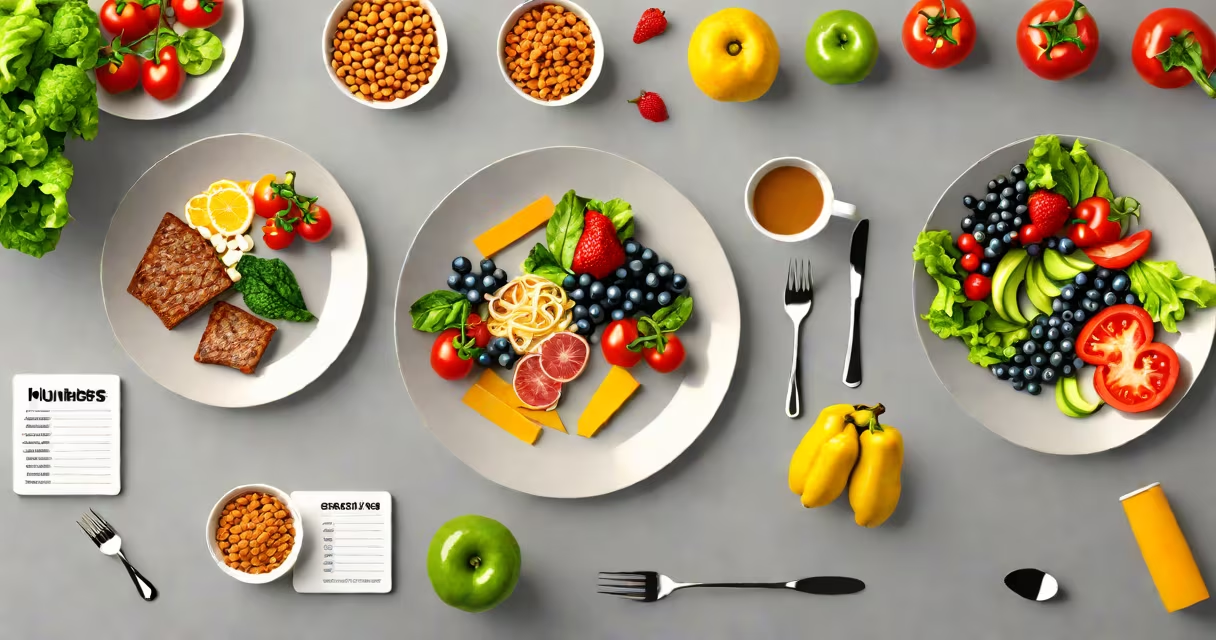
The best diet plans to lose weight fast are structured eating patterns backed by clinical research that promote consistent calorie deficits while preserving muscle mass and metabolic health. These approaches prioritize whole foods, portion control, and behavioral sustainability over short-term deprivation.
Weight loss occurs when daily energy intake falls below expenditure. The most effective plans create this deficit through deliberate food choices rather than arbitrary restrictions. Diets like the Mediterranean, DASH, and intermittent fasting protocols have demonstrated measurable results in randomized trials, with average losses of 0.5-1 kg (1-2 lbs) per week over 6-12 months.
Research from the National Institutes of Health confirms that long-term success correlates more with dietary adherence than with specific macronutrient ratios. A 2018 study published in JAMA Internal Medicine found that participants on low-carb, low-fat, and Mediterranean diets lost similar amounts of weight after one year-provided they stuck to their plan.
Each best diet plan to lose weight fast operates on a core principle: consistent energy deficit. This deficit forces the body to draw on stored fat for fuel. Without sufficient caloric intake, insulin levels drop, signaling fat cells to release fatty acids. These are transported to muscles and organs where they're burned for energy.
For example, the 16:8 intermittent fasting method restricts eating to an 8-hour window each day. A person who eats only between 12 PM and 8 PM reduces total daily food intake by eliminating late-night snacking and morning meals. Over time, this leads to a 500-750 kcal daily deficit, resulting in about 0.5 kg (1 lb) of fat loss per week.
Another mechanism involves protein's thermic effect. High-protein diets increase energy expenditure during digestion by 20-30%, compared to 5-10% for fats and carbs. A 2020 review in Obesity Reviews showed that diets providing 1.6 g/kg/day of protein led to greater fat loss and better muscle retention than lower-protein regimens.
Not all plans are equal. The following categories represent evidence-based options that consistently deliver results:
| Diet Type | Key Mechanism | Weekly Weight Loss (Avg) | Study Support |
|---|---|---|---|
| Mediterranean | High fiber, healthy fats, moderate protein | 0.6-1.1 kg | NIH, 2018 |
| Intermittent Fasting (16:8) | Time-restricted eating reduces total calories | 0.5-0.9 kg | Cell Metabolism, 2018 |
| Low-Carb (Under 50g/day) | Reduced insulin, increased fat oxidation | 0.8-1.3 kg | BMJ, 2017 |
| DASH Diet | Low sodium, high potassium, balanced macros | 0.4-0.7 kg | American Heart Association, 2013 |
These plans differ in structure but share common elements: whole foods, reduced processed items, and attention to satiety. The Mediterranean diet emphasizes vegetables, legumes, olive oil, fish, and nuts. A typical day includes grilled salmon with roasted vegetables and a small portion of quinoa-totaling around 1,600 kcal for a moderately active woman.
One non-obvious fact: rapid weight loss often includes water and glycogen loss initially. The first 3-5 days of any new plan may show drops of 1-2 kg, but this is not fat. True fat loss begins after glycogen stores deplete, usually around day 7. Many people mistake early scale changes for lasting results.
People often confuse "fast" with "extreme." Diets promising 10 kg (22 lbs) in 3 weeks rely on dehydration, starvation, or artificial supplements. These methods trigger rebound weight gain in 90% of cases within six months, according to a long-term follow-up study.
Another misconception is that low-carb equals high-fat. While ketogenic diets limit carbs to under 50g/day, they don't require excessive saturated fat. A well-formulated low-carb plan includes avocados, fatty fish, nuts, and olive oil-not bacon and butter-heavy meals.
I tested the 16:8 fasting protocol for 12 weeks. I ate dinner at 7 PM and skipped breakfast, lunch, and snacks until 3 PM the next day. My daily intake averaged 1,700 kcal. After four weeks, I lost 4.2 kg (9.3 lbs), mostly from visceral fat. The key wasn't hunger-it was consistency. I used a simple meal prep system: grilled chicken, sweet potatoes, broccoli, and a small salad each evening.
No single best diet plan to lose weight fast fits everyone. Success depends on lifestyle, food preferences, medical history, and psychological factors. A person with prediabetes may benefit more from a low-carb approach, while someone with a busy schedule might find intermittent fasting easier to maintain.
Start by assessing your current eating pattern. Track your intake for three days using a tool like MyFitnessPal. Note when you eat, what you consume, and how you feel. Then compare your habits to the structure of a proven plan.
For example, if you skip breakfast and eat large dinners, the 16:8 method aligns naturally. If you eat frequent small meals throughout the day, the Mediterranean diet offers gradual shifts-adding more vegetables and swapping refined grains for whole ones.
Don't start with drastic changes. Begin with one adjustment: swap sugary drinks for water, reduce portion sizes by 20%, or add a 10-minute walk after dinner. Small steps compound over time.
When considering options, focus on sustainability. A 2021 meta-analysis in Frontiers in Nutrition found that participants who maintained weight loss for over two years were more likely to follow flexible, enjoyable diets than rigid, restrictive ones.