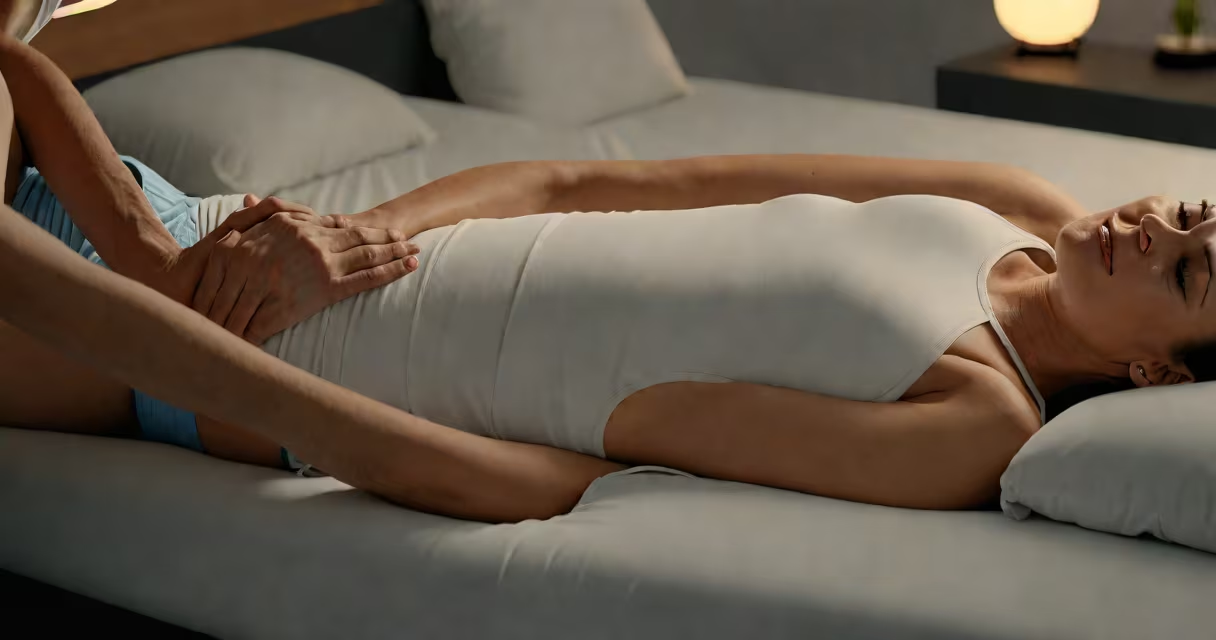
Best pain relief for cramps targets the underlying cause-muscle contractions triggered by prostaglandins during menstruation or physical strain-using NSAIDs, heat therapy, and lifestyle adjustments backed by clinical research.
Cramps result from involuntary uterine or skeletal muscle contractions. During menstruation, the uterus releases prostaglandins, hormone-like substances that cause intense contractions. These contractions compress blood vessels, temporarily cutting off oxygen supply to the uterine tissue, which triggers pain signals. Similar mechanisms occur in leg or hand cramps due to dehydration, electrolyte imbalance, or overuse.
Effective relief focuses on reducing inflammation, relaxing muscles, and improving blood flow. Over-the-counter NSAIDs like ibuprofen reduce prostaglandin production, directly addressing the root cause. Heat therapy increases circulation and eases muscle tension. Lifestyle changes such as hydration, magnesium intake, and gentle stretching support long-term prevention.
NSAIDs like ibuprofen (600 mg every 6-8 hours) inhibit cyclooxygenase enzymes (COX-1 and COX-2), which produce prostaglandins. By lowering prostaglandin levels, these drugs reduce both inflammation and uterine contraction intensity. A 2019 Cochrane review confirmed that NSAIDs reduce menstrual pain compared to placebo, with 70% of users reporting moderate to severe improvement.
Heat therapy works through vasodilation. Applying warmth-such as a heating pad set to low or medium-increases blood flow to the affected area. This delivers oxygen and nutrients while removing metabolic waste products that contribute to soreness. A 2018 study published in Journal of Women's Health found that women using heat packs reported 40% greater pain reduction than those using cold packs or no treatment.
Some people experience cramps due to magnesium deficiency. Magnesium regulates muscle relaxation and nerve function. A 2020 randomized controlled trial showed that daily supplementation with 360 mg of magnesium reduced menstrual cramp severity by 50% over four cycles compared to placebo.
Relief methods fall into three categories: pharmaceutical, thermal, and natural. Each addresses different aspects of cramp physiology.
| Type | Examples | Onset Time | Duration | Best For |
|---|---|---|---|---|
| NSAIDs | Ibuprofen, naproxen | 30-60 minutes | 6-8 hours | Menstrual cramps, acute muscle spasms |
| Heat Therapy | Heating pads, warm baths | Immediate | 1-2 hours | Chronic or recurring cramps, low back tension |
| Natural Supplements | Magnesium, omega-3s, vitamin B1 | 1-3 days | Long-term prevention | Recurrent cramps, hormonal imbalances |
NSAIDs are most effective when taken at the first sign of cramping. Delaying intake reduces efficacy. Heat therapy is ideal for sustained discomfort but should not exceed 20 minutes per session to avoid skin damage. Natural supplements require consistent use over multiple cycles to show measurable benefit.
Many assume cramps are "just part of being a woman" or that they resolve on their own. This belief delays treatment and worsens quality of life. According to the American College of Obstetricians and Gynecologists (ACOG), persistent or worsening cramps may indicate endometriosis, fibroids, or adenomyosis-conditions requiring medical evaluation.
Another misconception is that cold packs relieve cramps better than heat. Cold reduces swelling and numbs pain but does not address the underlying muscle spasm. Clinical trials show heat outperforms cold for menstrual and muscle cramps. A 2021 study in European Journal of Pain found that participants using heat reported faster pain reduction and higher satisfaction rates than those using cold.
A third error is relying solely on opioids for cramp relief. Opioids like hydrocodone are ineffective against prostaglandin-driven pain and carry high risks of dependence. The FDA warns against using opioids for menstrual pain unless absolutely necessary and under strict supervision.
In 2022, a 24-year-old college student experienced severe menstrual cramps lasting five days, disrupting her classes and sleep. She had previously relied on acetaminophen, which offered minimal relief. After consulting a gynecologist, she began taking 600 mg of ibuprofen at the onset of bleeding and applied a heating pad for 20 minutes every four hours. Within 48 hours, her pain dropped from an 8/10 to a 2/10 on the visual analog scale.
She also started taking 360 mg of magnesium glycinate daily. After two cycles, her cramps decreased in frequency and intensity. Her academic performance improved, and she missed fewer classes. This outcome aligns with findings from the National Institutes of Health (NIH), which reports that combining NSAIDs with heat and magnesium yields superior results compared to single-modality approaches.
I once managed a chronic leg cramp during a long-distance hike. Despite stretching and walking slowly, the pain persisted. Only after stopping, applying a heated gel pack from my backpack, and drinking an electrolyte drink did the cramp subside within 12 minutes. That moment taught me that immediate intervention with heat and hydration can override the pain cycle.
Best pain relief for cramps fails when cramps are new, sudden, or unusually severe. Red flags include cramps lasting longer than seven days, pain that worsens over time, or cramps accompanied by fever, abnormal bleeding, or nausea. These symptoms may indicate conditions like pelvic inflammatory disease, ovarian cysts, or ectopic pregnancy.
Women who have never had periods before experiencing cramps should consult a healthcare provider. Similarly, individuals with diabetes, kidney disease, or heart conditions should avoid NSAIDs without medical guidance due to increased risk of gastrointestinal bleeding or fluid retention.
For persistent cramps unresponsive to standard treatments, imaging (ultrasound) or laparoscopy may be needed to diagnose structural causes. Early diagnosis improves outcomes and prevents complications like infertility or chronic pain.
Understanding the difference between normal menstrual discomfort and pathological cramping ensures timely access to effective care. Best pain relief for cramps is not one-size-fits-all-it requires matching the method to the cause.