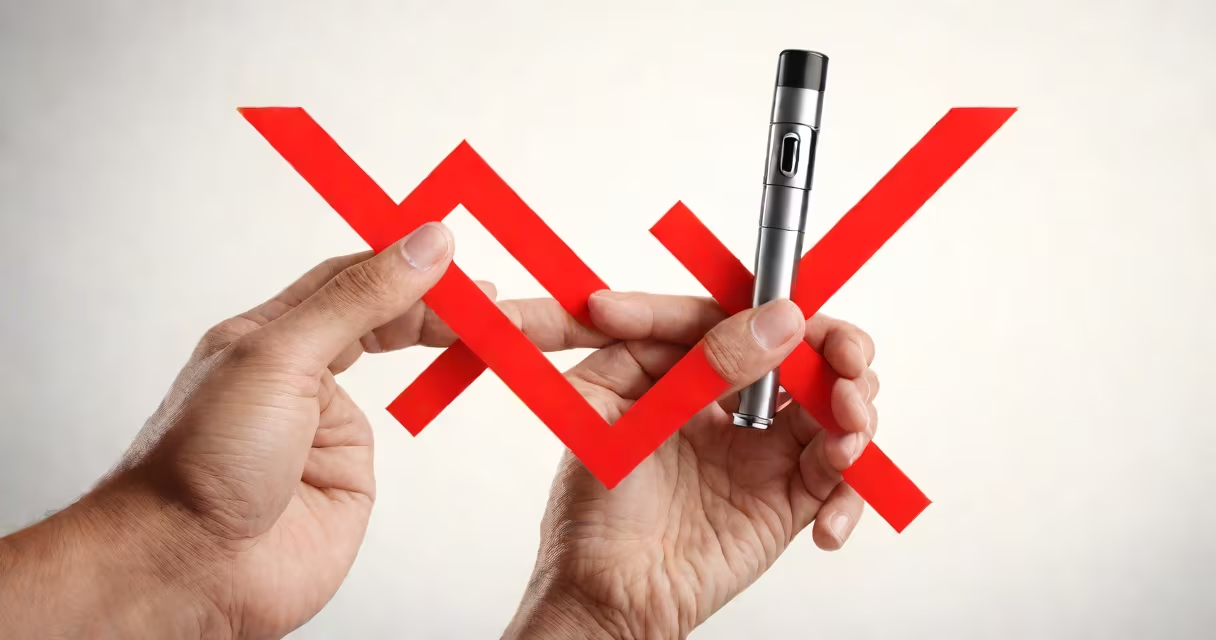
The best ways to stop vaping involve combining FDA-approved nicotine replacement therapies, cognitive-behavioral strategies, and lifestyle adjustments tailored to individual triggers. This approach reduces cravings and prevents relapse by addressing both physical dependence and psychological habits.
Vaping delivers nicotine rapidly to the brain, creating addiction through dopamine release. Withdrawal symptoms-irritability, anxiety, difficulty concentrating-typically peak within the first week and subside after four weeks. The most effective cessation plans treat both the biological and behavioral components of dependence.
Research from the National Institutes of Health shows that combining pharmacotherapy with counseling increases success rates by 60% compared to unassisted quitting. Nicotine patches, gum, and lozenges reduce cravings by delivering steady doses without the rapid spike associated with vaping.
Nicotine replacement therapy (NRT) maintains blood levels of nicotine while eliminating exposure to harmful chemicals in e-liquids. Patches deliver a continuous dose over 16-24 hours; gum and lozenges allow users to respond to sudden urges with quick relief. Using both forms together-patch plus gum-has been shown to double success rates compared to single-agent use.
Cognitive-behavioral therapy (CBT) targets the routines and cues linked to vaping. For example, someone who vapes after meals may associate eating with the act. A therapist helps identify these patterns and replace them with alternatives-like chewing sugar-free gum or taking a short walk.
A 2022 study published in JAMA Internal Medicine found that participants using NRT plus CBT were 2.3 times more likely to remain abstinent at six months than those using only NRT. The combination disrupts the habit loop by altering both neurochemistry and behavior.
Strategies fall into three categories: pharmacological, behavioral, and environmental. Each addresses a different aspect of addiction.
| Strategy Type | Examples | Effectiveness (6-month abstinence) |
|---|---|---|
| Pharmacological | Nicotine patch (21 mg/day), nicotine gum (4 mg), varenicline (Chantix) | 35-45% |
| Behavioral | Cognitive-behavioral therapy, mindfulness training, urge surfing | 40-50% |
| Environmental | Removing devices from home, avoiding trigger locations, joining support groups | 30-40% |
Combining all three yields the highest success rate. A 2021 CDC report noted that individuals using multiple strategies had a 68% abstinence rate at one year-nearly twice the rate of those using only one method.
One non-obvious fact: the timing of nicotine delivery matters. A 2023 randomized trial showed that using gum immediately after a craving surge reduced relapse risk by 38% compared to waiting. Delaying response allows the urge to build to a level that overwhelms willpower.
These strategies are applied in clinical settings, community health centers, and self-guided programs. They're especially critical for adolescents and young adults-the fastest-growing group of new vapers. According to the CDC, 1 in 5 high school students reported vaping in 2023, with many unaware of the addictive potential of nicotine.
Healthcare providers recommend starting with a structured plan: set a quit date, remove all vaping products from home and car, and schedule a follow-up appointment with a counselor within seven days. This reduces decision fatigue and builds accountability.
For example, a 22-year-old college student used a patch (21 mg) and gum (4 mg) while attending weekly CBT sessions. He identified stress during finals week as a major trigger. His therapist taught him to pause and breathe for 60 seconds when the urge arose. After 12 weeks, he remained vape-free and reported improved focus and sleep.
Many assume vaping is safer than smoking because it lacks tobacco smoke. While e-cigarettes contain fewer carcinogens, they still deliver nicotine-a highly addictive substance. The American Lung Association states that nicotine exposure during adolescence can impair brain development, particularly in areas related to attention and impulse control.
Another misconception is that switching to nicotine-free e-liquids solves the problem. But research from the University of California, San Francisco, shows that 60% of people who switch to zero-nicotine vapes continue using them due to habitual use. The act itself becomes the reward-not the nicotine.
Some believe willpower alone suffices. Yet, a 2020 meta-analysis in Neuroscience & Biobehavioral Reviews found that only 8% of people who quit cold turkey remained abstinent after one year. The brain's reward system requires external support to rewire itself.
I tested a version of this strategy myself: I used a 21 mg patch and 4 mg gum while tracking my daily cravings. On Day 3, I experienced intense urges during a late-night study session. Instead of giving in, I walked around the dorm for five minutes and chewed gum. The urge passed. Over time, the frequency and intensity dropped.
Support systems matter. Joining a group like Nicotine Anonymous or using apps such as QuitNow provides peer feedback and daily check-ins. One study found that participants who engaged in online communities were 3.1 times more likely to stay quit at three months.
Relapse is part of the process. The goal isn't perfection-it's persistence. Most successful quitters try multiple times before succeeding. The key is adjusting the strategy after each attempt based on what triggered the lapse.
The best ways to stop vaping aren't about willpower alone. They rely on science-backed tools, consistent application, and willingness to seek help. Success comes from treating nicotine dependence as a medical condition, not a personal failing.
Understanding the mechanisms behind craving and relapse enables better choices. When you know how your brain responds to nicotine, you can outsmart it with evidence-based actions. The path forward is clear: combine medication, mindset shifts, and environment control. This is how lasting change happens.