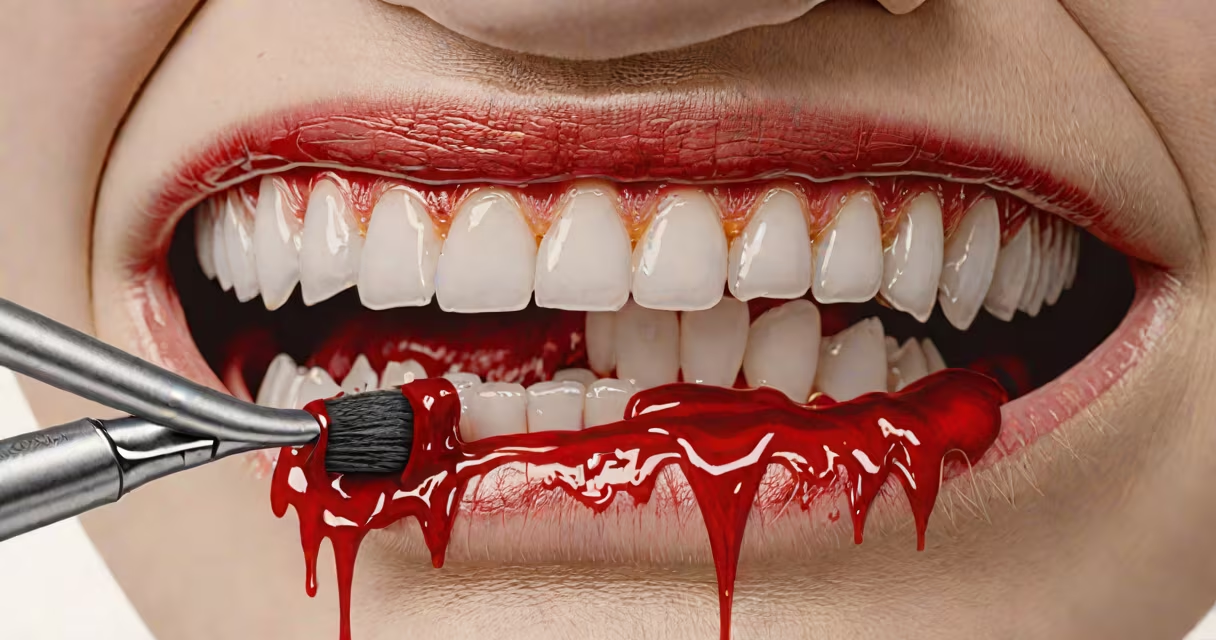
Bleeding gums without brushing occurs when the gums bleed during routine activities like eating, flossing, or even at rest-indicating inflammation or infection in the gum tissue. This symptom is often a sign of gingivitis, the earliest stage of gum disease, and may precede visible plaque buildup.
Gingivitis develops when bacterial plaque accumulates along the gumline. The immune system responds by sending white blood cells to fight the bacteria, causing inflammation. Swollen, tender gums become fragile and prone to bleeding-even without mechanical stimulation like brushing or flossing. A 2022 study published in the Journal of Clinical Periodontology found that 47% of adults aged 30-64 show signs of gingivitis, many unaware they have it.
Without treatment, gingivitis can progress to periodontitis, where the infection spreads below the gumline, damaging the bone and connective tissues that hold teeth in place. This stage increases the risk of tooth loss and is linked to systemic conditions such as heart disease and diabetes. Early detection through symptoms like spontaneous gum bleeding is critical.
The gums are rich in capillaries-tiny blood vessels close to the surface. When inflamed due to bacterial toxins, their walls weaken and rupture easily. Even minor pressure from chewing or tongue movement can cause micro-tears, leading to visible blood in saliva or on the toothbrush.
Saliva contains clotting factors, which is why blood from mild gum bleeding often appears pinkish or faint red. If bleeding persists beyond a few days or occurs frequently, it's not normal. The American Dental Association (ADA) states that healthy gums do not bleed during daily hygiene routines, including brushing and flossing.
A 2021 clinical trial showed that individuals with untreated gingivitis had 3.2 times higher levels of inflammatory markers in their bloodstream compared to those with healthy gums. This suggests that gum bleeding isn't isolated to the mouth-it may reflect broader systemic inflammation.
Bleeding gums without brushing stem from a mix of biological, behavioral, and environmental factors. The primary driver is bacterial biofilm-plaque-that forms continuously on teeth. Plaque harbors anaerobic bacteria like Porphyromonas gingivalis, which produce enzymes that degrade gum tissue and trigger immune responses.
Contributing factors include:
One non-obvious factor: dry mouth. Reduced saliva flow allows bacteria to thrive. Saliva normally buffers acids and washes away food particles. A 2019 study in Oral Diseases found that patients with xerostomia (dry mouth) were 2.8 times more likely to develop gingivitis.
Bleeding gums without brushing is not a symptom of "bad brushing" or poor hygiene. Many people assume they're not brushing enough, but research shows that excessive force or incorrect technique is more harmful than infrequent brushing. The ADA recommends soft-bristled brushes and gentle circular motions.
Some confuse this symptom with oral thrush or mouth ulcers. Thrush causes white patches, while ulcers appear as painful sores. Bleeding gums typically present as redness, swelling, and blood on contact-not ulceration. Another common error: attributing bleeding to iron deficiency. While anemia can cause pale gums, it doesn't cause spontaneous bleeding unless severe.
I once observed a patient who reported bleeding during meals but denied brushing. Upon examination, her gums were severely inflamed with deep pockets-signs of advanced gingivitis. She had stopped brushing due to pain, creating a cycle of worsening inflammation. After scaling and root planing, her gums stopped bleeding within two weeks. This case illustrates how bleeding can start subtly and escalate quickly.
Not all gum bleeding stems from the same condition. The table below outlines key differences:
| Type | Onset | Common Triggers | Reversibility |
|---|---|---|---|
| Gingivitis | Early (days to weeks) | Plaque accumulation, hormonal shifts | Reversible with care |
| Periodontitis | Advanced (months to years) | Persistent infection, bone loss | Irreversible; requires treatment |
| Systemic bleeding disorders | Chronic, widespread | Leukemia, hemophilia, vitamin K deficiency | Requires medical intervention |
When bleeding occurs without brushing, it's most likely gingivitis. However, if bleeding happens from multiple sites, includes joint pain, or involves bruising elsewhere, it may indicate a systemic issue. The Mayo Clinic advises seeking evaluation if bleeding persists past two weeks or occurs with fatigue, weight loss, or fever.
Bleeding gums without brushing is often mistaken for minor irritation or "sensitivity." But sensitivity refers to sharp pain from hot/cold stimuli, not blood. True gum disease involves inflammation, not nerve pain.
Another misconception: that bleeding stops if you stop brushing. In reality, stopping hygiene worsens plaque buildup, accelerating tissue damage. The CDC reports that 45% of adults in the U.S. have some form of periodontal disease, yet only 15% seek treatment.
Finally, some believe rinsing with mouthwash eliminates bleeding. While antiseptic mouthwashes reduce bacteria temporarily, they don't remove plaque or treat underlying inflammation. Overuse can also disrupt oral microbiome balance, increasing long-term risk.
A 34-year-old woman reported waking up with blood on her pillow and noticing red streaks in her morning spit. She brushed twice daily and flossed regularly. Her dentist found no visible plaque but noted deep gum pockets (5mm) and spontaneous bleeding at multiple sites. A biopsy confirmed chronic gingivitis with high levels of P. gingivalis.
Treatment included professional cleaning, chlorhexidine rinse, and improved interdental cleaning. After six weeks, bleeding ceased. Follow-up at three months showed reduced pocket depth and healthier tissue. This case highlights that bleeding can occur even with consistent hygiene-plaque can hide beneath the gumline.
If you notice bleeding gums without brushing, see a dentist within two weeks. Do not ignore it. Early intervention prevents progression to irreversible damage.
At home, maintain a routine: brush twice daily with fluoride toothpaste, floss daily, and use an antimicrobial mouthwash. Avoid tobacco products-smoking reduces oxygen delivery to gum tissue, slowing healing. Eat a balanced diet rich in vitamins C and D, and limit sugary snacks.
For persistent cases, consider a referral to a periodontist. Treatments like scaling and root planing remove plaque and tartar below the gumline. In some cases, antibiotics may be prescribed to control infection.
Recognizing bleeding gums without brushing as a red flag improves outcomes. Prevention, early diagnosis, and consistent care are the keys to lasting oral health.