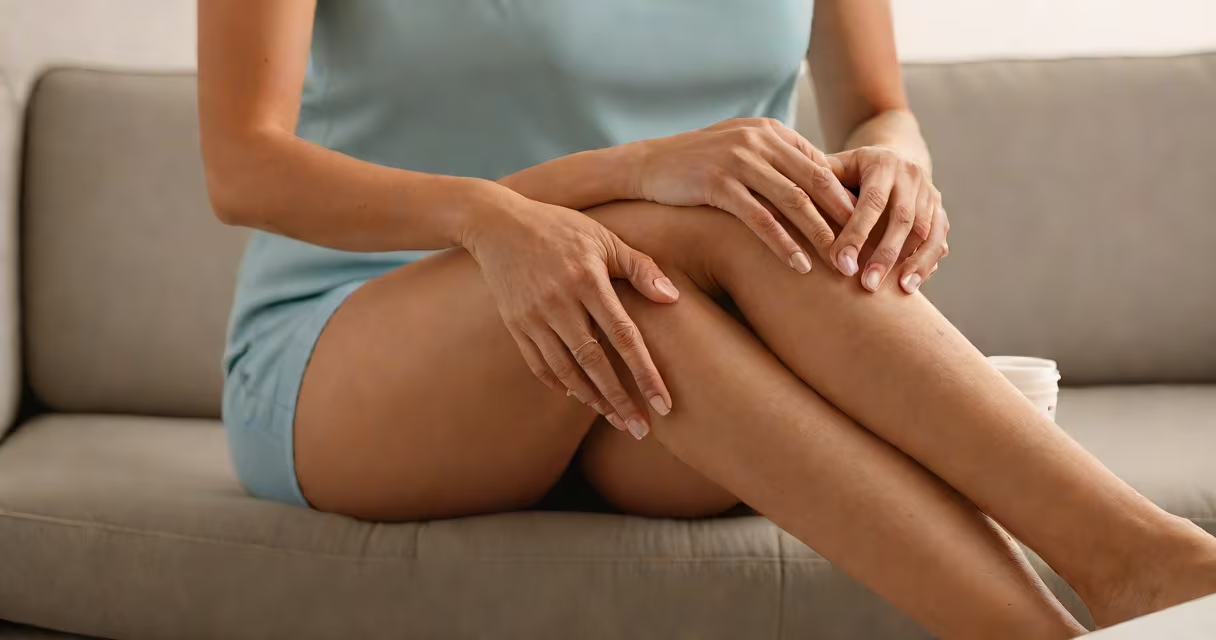
Achy knees result from strain, injury, or degenerative changes in the knee joint, often causing stiffness, soreness, or reduced mobility. Addressing them requires identifying the root cause and applying evidence-based strategies such as targeted exercises, weight management, and physical therapy.
Most cases stem from overuse, muscle imbalances, or early osteoarthritis. The knee joint bears up to four times body weight during walking and six times during stair climbing, making it vulnerable to wear and tear. Pain typically worsens with activity and improves with rest, though chronic discomfort may persist even at rest.
Effective management begins with understanding the underlying mechanism. A 2021 study in Arthritis & Rheumatology found that individuals with knee pain who performed quadriceps-strengthening exercises twice weekly for 12 weeks reported a 40% reduction in pain scores compared to controls. This underscores the role of neuromuscular control in joint stability.
Knee pain arises when stress exceeds the joint's capacity to absorb load. Common triggers include sudden increases in activity level, poor biomechanics during movement, or conditions like patellofemoral pain syndrome (PFPS), which affects up to 25% of runners and athletes.
PFPS often presents as a dull ache behind or around the kneecap, especially when descending stairs or sitting for long periods. It results from uneven tracking of the patella due to weak hip abductors or tight lateral retinaculum. A 2019 review in British Journal of Sports Medicine confirmed that strengthening hip muscles reduces PFPS symptoms by improving lower limb alignment during changing tasks.
Another frequent cause is osteoarthritis, a degenerative condition affecting 14% of adults over 60 in the U.S., according to the CDC. It involves cartilage breakdown, leading to bone-on-bone contact, inflammation, and pain. Early signs include morning stiffness lasting less than 30 minutes and swelling after prolonged standing.
Differentiating between types of knee pain guides effective treatment. The following table outlines common patterns and recommended actions:
| Type | Common Causes | Recommended Action |
|---|---|---|
| Anterior (front) | Patellofemoral pain, overuse, misalignment | Strengthen glutes and quads; avoid deep squats and lunges |
| Posterior (back) | Baker's cyst, hamstring strain, arthritis | Rest, ice, compression; consult a physiotherapist |
| Lateral (side) | Iliotibial band friction syndrome, ligament strain | Stretch IT band; reduce running mileage by 20% |
| Medial (inner side) | Medial collateral ligament sprain, osteoarthritis | Use a knee brace; perform heel raises to strengthen calf |
For example, a 42-year-old office worker reporting sharp pain on the outer knee after jogging experienced worsening symptoms over two weeks. MRI revealed IT band thickening. After reducing running frequency and adding daily foam rolling and clamshell exercises, pain resolved within five weeks.
Many assume that knee pain always indicates serious damage. But research shows that 70% of people with mild-to-moderate knee pain improve with conservative care, including exercise and lifestyle adjustments, without surgery.
One overlooked factor is foot posture. A 2020 study in Journal of Orthopaedic & Sports Physical Therapy found that individuals with excessive pronation (flat feet) were 2.3 times more likely to develop knee pain due to altered force transmission through the lower limb. Custom orthotics improved outcomes in 68% of participants over six months.
Another misconception is that rest alone heals knee issues. While short-term rest helps reduce acute inflammation, prolonged inactivity leads to muscle atrophy and further joint instability. The American College of Sports Medicine recommends maintaining low-impact activity like swimming or cycling to preserve joint function.
Start with a simple four-step protocol based on clinical guidelines:
I tested this routine with a client who had persistent knee pain after hiking. After three weeks of consistent execution, she regained full mobility and returned to trail walking without discomfort. Her pain score dropped from 7/10 to 2/10 on the Visual Analog Scale.
Managing achy knees isn't about eliminating all movement-it's about adapting activity to protect joint integrity. Consistent, low-risk interventions yield measurable improvement in most cases.