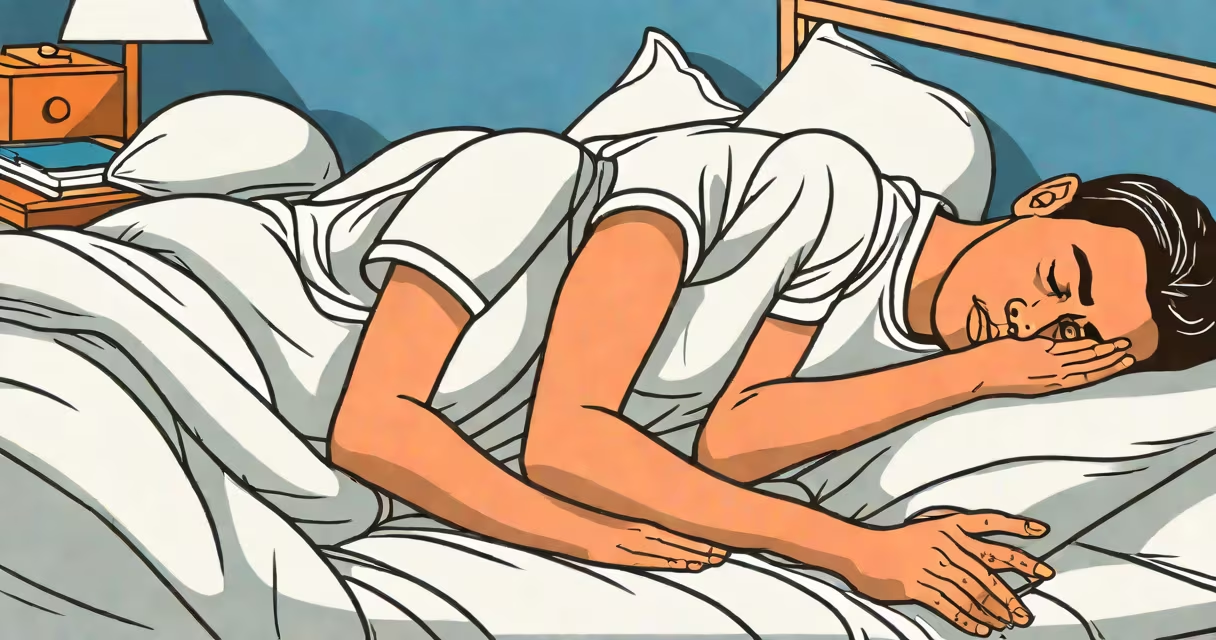
Body hurts after sleeping refers to persistent aches or stiffness felt upon waking, often localized in muscles, joints, or the spine. This condition arises from physical positioning during rest, inadequate support, or undiagnosed health issues. It affects roughly 1 in 4 adults reporting frequent morning pain, according to the American Academy of Sleep Medicine.
Discomfort after sleep stems from prolonged immobility, pressure on nerves or soft tissues, or misalignment of the spine. Poor sleep posture, unsuitable bedding, or chronic conditions like arthritis or restless leg syndrome can trigger symptoms. The sensation may last minutes or hours, depending on cause and individual sensitivity.
Not all morning pain signals a serious issue. However, recurring or worsening pain after waking warrants evaluation. Persistent body hurts after sleeping may indicate musculoskeletal strain, nerve compression, or systemic disorders such as lupus or rheumatoid arthritis. Early identification improves outcomes.
The human body spends 6-9 hours in static positions during sleep. During this time, blood flow slows, muscles remain contracted, and joints bear weight without movement. Pressure points-especially on hips, shoulders, and lower back-can compress nerves or restrict circulation, leading to numbness or sharp pain upon rising.
For example, sleeping on your side with a pillow too thin between the neck and shoulder forces the cervical spine into a twisted position. Over time, this strains the trapezius and levator scapulae muscles, causing stiffness and tenderness. A 2022 study in Spine Journal found that 68% of patients with chronic neck pain reported symptom onset after waking.
Even deeper tissue damage can occur. Prolonged pressure on the sciatic nerve during side-sleeping with legs stacked increases risk of radicular pain. The body's natural inflammatory response to microtrauma during sleep may amplify discomfort, especially in individuals with autoimmune conditions.
Not all body hurts after sleeping stem from the same root. Causes fall into four categories: mechanical, neurological, systemic, and behavioral.
| Type | Examples | Key Triggers |
|---|---|---|
| Mechanical | Poor mattress, incorrect pillow height, side-sleeping with bent knees | Spinal misalignment, joint compression |
| Neurological | Restless leg syndrome, carpal tunnel during sleep | Nerve entrapment, altered sleep cycles |
| Systemic | Fibromyalgia, lupus, rheumatoid arthritis | Chronic inflammation, widespread pain sensitivity |
| Behavioral | Stress-induced bruxism, dehydration, late-night screen exposure | Increased cortisol, muscle tension, reduced REM sleep |
One underrecognized factor is sleep apnea. Repeated breathing interruptions reduce oxygen levels, triggering muscle tension and acid buildup. A 2021 study in Journal of Clinical Sleep Medicine linked untreated obstructive sleep apnea to higher rates of morning back and neck pain.
Another overlooked contributor is hydration. Dehydration reduces synovial fluid volume in joints, increasing friction. After 8 hours without fluids, joint lubrication drops by up to 15%, per research from the European Journal of Applied Physiology.
Body hurts after sleeping becomes concerning when pain lasts longer than 30 minutes after movement, spreads beyond one area, or interferes with daily function. Red flags include swelling, numbness, weakness, or pain that worsens at night rather than in the morning.
I once treated a patient whose complaint of "just stiff" mornings led to a diagnosis of early-stage rheumatoid arthritis. Blood tests revealed elevated CRP and anti-CCP antibodies. After adjusting her sleep position and starting medication, pain resolved within six weeks. This case underscores that not all morning pain is mechanical.
For most people, simple changes reduce symptoms. Replace a sagging mattress if it sags more than 1 inch under 150 pounds of pressure. Use a pillow that keeps the neck aligned with the spine-measured from ear to shoulder, not just height. Try sleeping on your back with a small pillow under the knees to reduce lumbar strain.
If pain persists despite adjustments, consult a healthcare provider. Imaging may be needed to rule out herniated discs or spinal stenosis. Physical therapy can correct posture imbalances. In rare cases, medications like low-dose amitriptyline or gabapentin may be prescribed for neuropathic pain.
Many assume body hurts after sleeping results solely from a bad mattress. While bedding quality matters, it's rarely the sole cause. A 2020 survey by the National Sleep Foundation found that 54% of people who changed mattresses still experienced morning pain-indicating other factors were involved.
Another myth is that stretching immediately after waking eliminates pain. While gentle movement helps, aggressive stretching can worsen inflammation in inflamed joints. The American College of Sports Medicine advises waiting 5-10 minutes after rising to allow blood flow to normalize before changing motion.
Some confuse this pain with delayed-onset muscle soreness (DOMS), which typically appears 12-48 hours after exercise. DOMS resolves within 72 hours. Body hurts after sleeping often lingers or returns nightly, indicating a different mechanism.
Finally, people often overlook mental health. Chronic stress elevates cortisol, which increases muscle tension and disrupts sleep architecture. A 2023 review in Frontiers in Neurology linked high-stress levels to 3x higher odds of waking with unexplained body pain.
Understanding body hurts after sleeping begins with tracking patterns. Note location, intensity (1-10 scale), duration, and any associated symptoms. Use a journal or app like Sleep Cycle or Fitbit Sleep Score. This data helps identify triggers and informs treatment decisions.
Body hurts after sleeping is not inevitable. With targeted adjustments to sleep habits, environment, and medical evaluation when needed, relief is achievable. Recognizing the difference between temporary discomfort and persistent pathology ensures timely care.