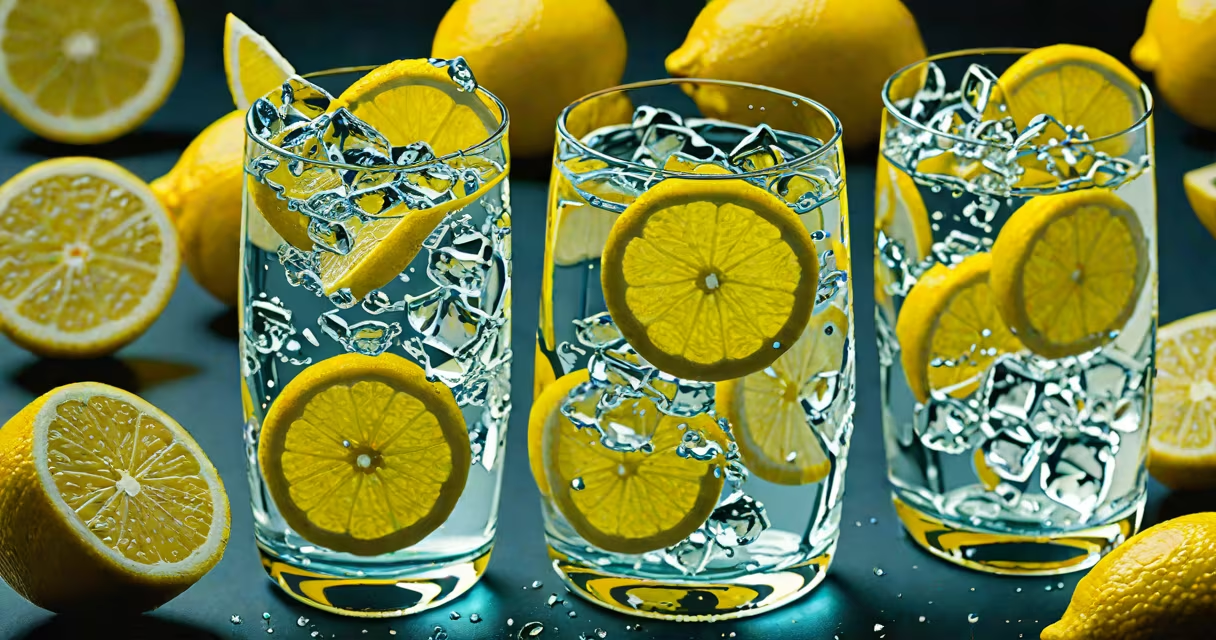
Yes, you can make your own alkaline water at home using natural ingredients like lemon juice, baking soda, or an electric water ionizer. Alkaline water has a pH level above 7, typically between 8 and 9.5, and is produced through chemical or physical processes that increase its alkalinity.
Alkaline water forms when minerals such as calcium, magnesium, and potassium dissolve in water, raising its pH. You can achieve this at home through simple additions or devices. The most common methods involve adding alkalizing agents to tap water or using a water ionizer to separate acidic and alkaline components via electrolysis.
While some claim alkaline water improves hydration, reduces acid reflux, and supports detoxification, scientific evidence remains limited. The National Institutes of Health notes that healthy kidneys regulate blood pH automatically, making dietary changes like alkaline water unnecessary for most people (NIH, 2023). Still, many individuals consume it for perceived wellness benefits.
Water's pH measures acidity or alkalinity on a scale from 0 to 14. Pure water has a neutral pH of 7. Alkaline water exceeds this threshold due to dissolved minerals or added substances. The higher the pH, the more basic the solution.
When you drink alkaline water, the theory is that it temporarily raises the body's internal pH balance. However, the stomach maintains a highly acidic environment (pH around 1.5-3.5) to break down food. This acidity neutralizes any alkaline effect from ingested water within minutes.
Despite this, some studies suggest alkaline water may improve hydration during exercise. A 2016 study published in the Journal of the International Society of Sports Nutrition found participants who drank alkaline water had better hydration markers than those drinking regular water (JISSN, 2016). The mechanism isn't fully understood but may relate to smaller water clusters formed during ionization.
You can produce alkaline water using three primary approaches: adding alkalizing agents, using a water ionizer, or combining both. Each method varies in cost, ease, and measurable pH output.
| Method | Ingredients/Tools | Expected pH Range | Time Required |
|---|---|---|---|
| Add lemon juice and baking soda | 1 glass water, ½ lemon, ¼ tsp baking soda | 8.0 - 8.5 | 2 minutes |
| Use a water ionizer | Ionizer device, tap water | 8.5 - 9.5 | 10-15 minutes (per batch) |
| Add mineral drops | Alkaline mineral drops (e.g., pH Drops) | 8.0 - 9.0 | 1 minute |
Adding lemon juice and baking soda is the simplest, most accessible method. Lemon juice is acidic (pH ~2), but when metabolized, it produces alkaline byproducts. Baking soda (sodium bicarbonate) is a direct base. Mixing them in water creates a weak alkaline solution.
For example: Fill a 500ml glass with filtered tap water. Squeeze half a lemon into it. Add ¼ teaspoon of baking soda. Stir until dissolved. Test the pH with a strip or digital meter. Result: pH ≈ 8.3. This mixture is safe for daily consumption in moderation.
Water ionizers use electrolysis to split water into acidic and alkaline streams. They require electricity and maintenance. Brands like Tyent and Enagic offer models with adjustable pH settings. These devices can produce water with pH levels up to 10.5, though clinical benefits remain unproven.
Many assume alkaline water prevents cancer or cures chronic disease. This is false. The American Cancer Society states there is no evidence that alkaline water affects tumor growth or treatment outcomes (ACS, 2023). The body tightly regulates pH regardless of diet.
Another misconception is that alkaline water replaces medical treatment. It does not. Drinking alkaline water won't correct metabolic acidosis or replace prescribed medications. Overconsumption can disrupt natural pH balance, leading to symptoms like nausea, muscle twitching, or confusion.
A lesser-known risk is sodium overload. Baking soda contains sodium. Consuming multiple servings daily increases sodium intake. The American Heart Association recommends no more than 2,300 mg of sodium per day, ideally less than 1,500 mg for adults with high blood pressure (AHA, 2023). One teaspoon of baking soda contains about 1,250 mg of sodium.
Do not use untested additives like crushed antacids, vinegar, or bleach. These can introduce harmful contaminants. Vinegar lowers pH, making water more acidic. Bleach destroys beneficial bacteria and damages tissues.
Also avoid relying solely on bottled alkaline water. Some brands contain added minerals and artificial flavors. Check labels for sodium content and ingredient transparency. Tap water treated with reverse osmosis often lacks minerals, so adding a small amount of mineral-rich salt (like Himalayan pink salt) may help restore balance.
I once tested homemade alkaline water using a calibrated pH meter. After mixing lemon juice and baking soda, the reading was 8.4. After 30 minutes, it dropped to 7.8 due to CO₂ absorption from air. This shows alkaline water is unstable and loses potency quickly. Store it in a sealed container and consume within 2 hours for best results.
Instead of focusing only on alkaline water, consider whole-food sources of alkalizing minerals. Foods like spinach, kale, cucumbers, almonds, and avocados are rich in calcium, magnesium, and potassium. Eating these regularly supports pH balance more effectively than drinking alkaline water alone.
If you want to experiment with alkaline water, start with small batches using lemon and baking soda. Monitor how your body responds. If you experience digestive discomfort, reduce frequency or discontinue use. Always consult a healthcare provider before making significant dietary changes, especially if you have kidney disease or take medication.
Yes, you can make your own alkaline water. Methods range from simple kitchen ingredients to specialized equipment. While benefits are not conclusively proven, the process is safe when done correctly. Focus on balanced nutrition rather than chasing pH levels.