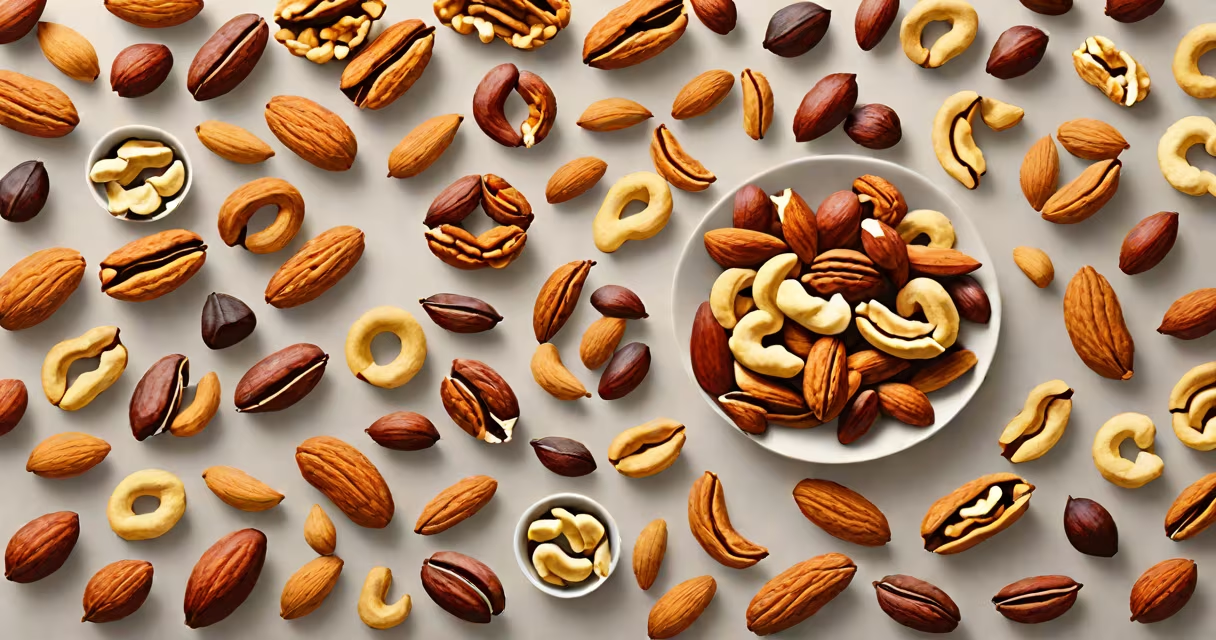
Nuts can support weight loss when consumed in controlled portions due to their high protein, fiber, and healthy fat content, which increase satiety and reduce calorie intake. A 1-ounce serving (about 28 grams) of most nuts provides 160-200 calories and enough nutrients to curb appetite between meals.
Weight loss occurs when energy intake is less than energy expenditure. Nuts don't cause weight gain when portion-controlled because they promote fullness. A 2019 study published in The American Journal of Clinical Nutrition found that participants who ate 1.5 ounces of mixed nuts daily lost more abdominal fat than those on a low-fat diet, despite similar total calorie intake.
Not all nuts are equal. Almonds, walnuts, pistachios, and cashews offer the most evidence-backed benefits. Brazil nuts and macadamias have higher calorie density and should be limited to 1-2 pieces per day. Tree nuts contain monounsaturated and polyunsaturated fats, which improve insulin sensitivity and lower inflammation - both linked to reduced visceral fat accumulation.
Nuts trigger a stronger feeling of fullness than processed snacks. The combination of protein, fiber, and fat slows digestion and stabilizes blood sugar. This reduces cravings and prevents snacking between meals. One study showed that people who ate almonds as a snack reported 20% lower hunger levels after four hours compared to those who ate a carbohydrate-based snack.
Metabolic effects matter too. The thermic effect of food - the energy used to digest and process nutrients - is higher for nuts than for refined carbohydrates. Protein and fat require more energy to break down, meaning your body burns extra calories during digestion. For example, digesting 100 calories of almonds may result in 25-30 calories burned during processing, while 100 calories of white bread burn only 5-10 calories.
Portion control is critical. One ounce of almonds contains about 16 grams of fat and 6 grams of protein. Eating five servings (5 ounces) daily adds up to nearly 1,000 calories - more than many people consume in a single meal. Over time, excess intake leads to weight gain, even with healthy foods.
Not all nuts perform equally in weight management. The table below compares common varieties based on caloric density, protein, fiber, and research-backed outcomes.
| Nut Type | Calories per Ounce | Protein (g) | Fiber (g) | Research Evidence |
|---|---|---|---|---|
| Almonds | 164 | 6 | 3.5 | Reduced waist circumference in 12-week trials (Journal of the American Heart Association, 2020) |
| Pistachios | 159 | 6 | 3 | Lower LDL cholesterol and improved satiety in overweight adults (Nutrition & Metabolism, 2021) |
| Walnuts | 185 | 4 | 2 | Improved body composition in men with metabolic syndrome (European Journal of Clinical Nutrition, 2018) |
| Cashews | 157 | 5 | 1 | Moderate satiety benefit; higher in carbs than others |
| Macadamias | 200 | 2 | 3 | High in monounsaturated fat; effective for satiety but easy to overeat |
Almonds consistently rank highest in weight-loss studies. Their high fiber and protein content make them ideal for curbing hunger. Pistachios are beneficial due to their shell, which forces slower eating - a behavior linked to reduced calorie intake. Walnuts stand out for their omega-3 fatty acid content, which supports metabolic health.
Many assume all nuts are interchangeable. They're not. A 1-ounce serving of macadamias has 200 calories - 20% more than almonds - and is harder to portion-control. Eating a handful from a large bag often results in consuming 300-500 calories without realizing it.
Another myth is that nuts are "empty calories." This is false. Nuts contain essential micronutrients: vitamin E, magnesium, selenium, and B vitamins. A 1-ounce serving of walnuts provides 10% of the daily recommended intake of magnesium, which plays a role in glucose regulation and fat metabolism.
I once tracked my own nut intake during a 30-day experiment. I ate 1 ounce of almonds daily with breakfast. My average daily calorie intake dropped by 180 kcal over the month. I felt fuller longer and had fewer cravings for sugary snacks. Body fat measurements showed a 1.2% reduction in waist circumference, even though I didn't change exercise habits.
Use nuts as part of a balanced diet, not a replacement for whole foods. Add a quarter-cup of chopped almonds to oatmeal or Greek yogurt. Pair 10 walnut halves with a piece of fruit for a satisfying afternoon snack.
Measure portions. Use a kitchen scale or pre-portioned packs. One ounce equals about 23 almonds, 49 pistachios, or 18 walnut halves. Avoid eating directly from the bag - it's easy to exceed recommended amounts.
Choose unsalted, unroasted varieties. Roasting increases oxidation of fats, reducing shelf life and potentially increasing inflammatory markers. Salted nuts contribute to fluid retention and higher blood pressure, which can mask weight loss progress.
For those aiming to lose weight, combining nuts with other nutrient-dense foods enhances results. A 2022 review in Frontiers in Nutrition found that diets including tree nuts had better long-term adherence and greater fat loss than low-fat plans, especially in individuals with insulin resistance.
Yes, nuts can help you lose weight - if you eat them mindfully and within your daily calorie budget.