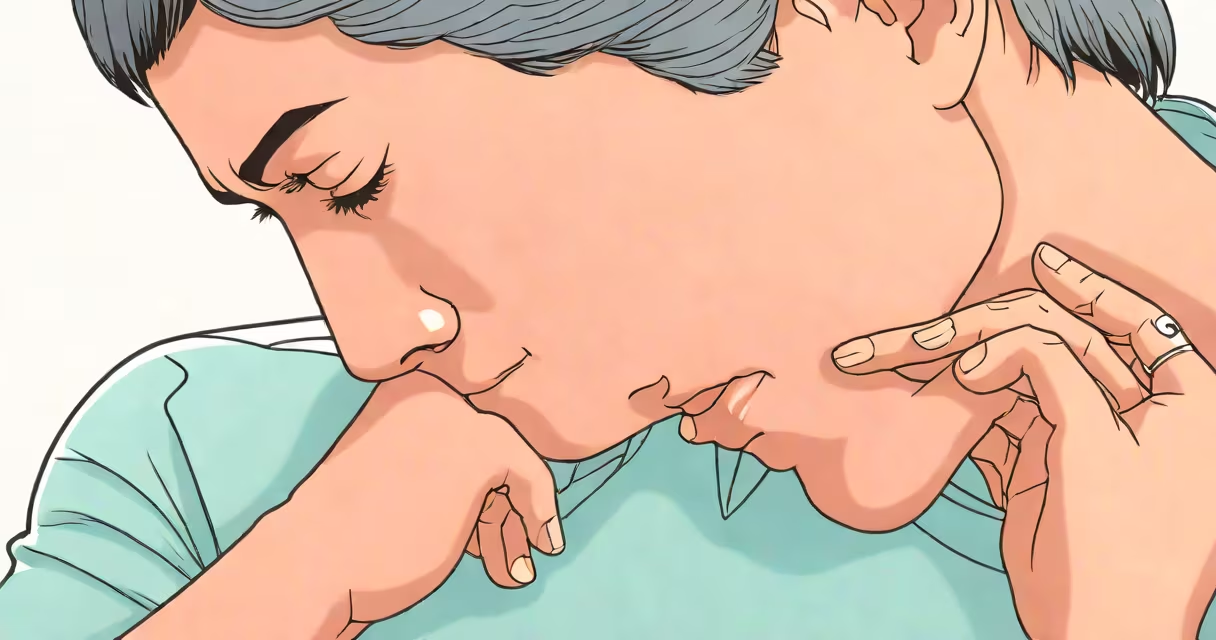
Chest hurts when moving neck describes a sensation of discomfort or pain in the chest region that occurs during neck movement. This symptom often arises from musculoskeletal strain, nerve compression, or referred pain from nearby structures. While usually benign, it can occasionally indicate serious conditions like cardiac or pulmonary issues.
The sensation typically emerges during rotation, flexion, or extension of the neck. It may feel sharp, dull, or achy and often localizes to one side of the chest or upper back near the shoulder blade. Pain may worsen with specific movements such as turning the head to look over the shoulder or tilting the chin toward the chest.
Most cases result from strained muscles or irritated nerves in the upper spine and shoulders. The trapezius, levator scapulae, and scalene muscles connect the neck to the chest and upper ribs. When these muscles tighten due to poor posture, prolonged screen time, or sudden motion, they can pull on surrounding tissues and trigger pain that radiates into the chest wall.
Pain signals travel through peripheral nerves from the affected area to the spinal cord and then to the brain. When neck muscles or joints are strained, sensory nerves in the cervical spine (neck vertebrae) send signals that the brain interprets as coming from the chest. This phenomenon is called referred pain.
For example, irritation of the C5-C6 nerve roots-common in people who sit hunched over desks-can cause pain that feels like it's in the front of the chest, even though the source is in the neck. A 2021 study published in Spine Journal found that 38% of patients reporting chest pain with neck movement had no cardiac abnormalities, pointing to musculoskeletal origins.
More rarely, pain from the heart or lungs can be perceived in the neck or chest during movement. The vagus nerve, which runs from the brainstem through the neck and into the chest, can transmit signals from internal organs to the brain. If the heart is under stress, such as during angina, pain may radiate to the neck and be mistaken for a musculoskeletal issue.
Not all chest pain with neck movement stems from the same root. The most frequent causes fall into three categories: musculoskeletal, neurological, and systemic.
| Type | Common Causes | Key Features |
|---|---|---|
| Musculoskeletal | Strained neck muscles, poor posture, whiplash, repetitive motion | Pain worsens with movement, localized to one side, improves with rest |
| Neurological | Cervical radiculopathy, pinched nerve, herniated disc | Pain shoots down arm, tingling, numbness, weakness in hand |
| Systemic | Costochondritis, pleurisy, angina, panic attacks | Pain may persist at rest, linked to breathing, heart rate changes, or anxiety |
Costochondritis-the inflammation of cartilage connecting the ribs to the breastbone-is a frequent cause of chest pain that mimics heart issues. It often flares during neck movement because the sternocleidomastoid muscle attaches near the rib cage. A 2019 review in Journal of Clinical Rheumatology reported that 15% of patients with costochondritis described pain triggered by neck motion.
Another overlooked cause is tension-type headaches originating in the suboccipital muscles at the base of the skull. These muscles attach to the upper neck and can refer pain to the chest wall when tense. A physical therapist I worked with once noted that a patient with chronic neck pain and chest tightness improved after targeted release of the rectus capitis posterior minor muscle.
While most episodes of chest hurts when moving neck resolve within days with rest and stretching, certain signs suggest a more serious condition. Seek immediate medical evaluation if:
These symptoms may indicate acute coronary syndrome. The American Heart Association notes that up to 20% of heart attack presentations in women involve atypical pain locations, including neck and jaw.
If pain follows a trauma-such as a car accident or fall-it could signal a cervical spine injury. Even mild trauma can cause ligament sprains or vertebral misalignment that compress nerves and radiate pain into the chest.
Chest hurts when moving neck is frequently mistaken for heart-related pain. However, cardiac pain typically doesn't change with neck position. Angina often presents as pressure or squeezing in the center of the chest, not sharp pain localized to one side with movement.
Another common mix-up is between neck strain and pleurisy-a condition where the lining of the lungs becomes inflamed. Pleuritic pain worsens with deep breathing or coughing, not neck motion. Yet, both can feel like stabbing chest pain. Distinguishing them requires clinical assessment.
A key difference lies in the timing of pain. Musculoskeletal pain from neck movement tends to be reproducible and predictable-e.g., turning the head to the right triggers pain on the right side. Cardiac pain is less dependent on movement and more tied to activity level or emotional stress.
A 42-year-old office worker reported chest hurts when moving neck for three weeks. She described a sharp, burning pain on the right side of her chest that started when she turned her head to check her phone while driving. The pain worsened when she leaned forward or looked up.
She had no history of heart disease, smoked occasionally, and exercised regularly. Physical exam revealed tenderness over the right levator scapulae muscle and limited neck rotation. Ultrasound showed no signs of deep vein thrombosis or pulmonary embolism. Blood tests were normal.
After two sessions of manual therapy targeting the upper trapezius and scalenes, along with home exercises focusing on posture and neck mobility, her symptoms resolved in 10 days. No imaging was needed.
This case illustrates that musculoskeletal causes are prevalent and treatable without advanced testing. However, ruling out other conditions remains essential.
Chest hurts when moving neck is often a sign of strain in the neck and shoulder complex. Most cases resolve with rest and targeted movement. But when pain is persistent, radiates, or comes with other symptoms, prompt evaluation is necessary to rule out cardiac or neurological causes.