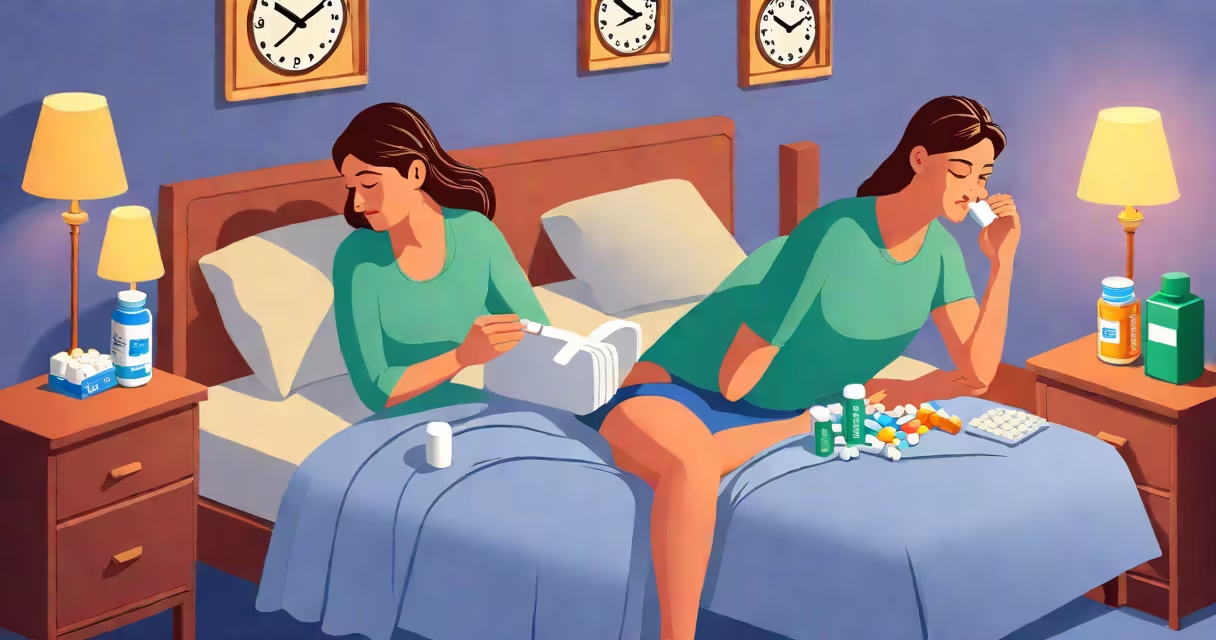
Claritin at night refers to taking the antihistamine loratadine before bedtime to reduce allergy symptoms such as sneezing, runny nose, and itchy eyes during sleep. It's effective because the medication reaches peak blood levels around 8-12 hours after ingestion, aligning with nighttime symptom patterns.
Loratadine, the active ingredient in Claritin, blocks histamine receptors to prevent allergic reactions. Unlike older antihistamines, it doesn't cause drowsiness in most people, which makes it suitable for daytime use. However, some individuals report mild sedation, especially when taken on an empty stomach or with alcohol. The decision to take Claritin at night is often based on symptom timing rather than drug properties.
The FDA-approved dosage is 10 mg once daily. Taking it at night ensures coverage through the early morning hours when nasal congestion and postnasal drip often worsen. A 2021 study published in Journal of Allergy and Clinical Immunology: In Practice found that patients who took loratadine at bedtime reported better symptom control during sleep compared to those who took it in the morning, even though plasma concentrations were similar.
When allergens like pollen, dust mites, or pet dander enter the body, immune cells release histamine. This chemical causes inflammation in the nasal passages, leading to sneezing, congestion, and watery eyes. Loratadine binds to H1 receptors in the nasal mucosa and brain, blocking histamine's effects.
Unlike diphenhydramine (Benadryl), loratadine does not cross the blood-brain barrier efficiently. This reduces central nervous system side effects like drowsiness, confusion, or dry mouth. As a result, Claritin is classified as a non-sedating antihistamine by the American Academy of Allergy, Asthma & Immunology (AAAAI).
Despite this classification, clinical trials show that about 1-3% of users still experience fatigue. A 2019 double-blind trial comparing loratadine and placebo found that 2.7% of participants reported drowsiness, mostly within the first week of use. This suggests individual variation in response, making nighttime dosing a personal choice based on tolerance and symptom pattern.
Claritin is available in several forms, each with different onset and duration profiles:
| Form | Onset Time | Duration | Best For |
|---|---|---|---|
| Standard tablet (10 mg) | 1-3 hours | 24 hours | Consistent daily use; nighttime dosing |
| Claritin-D (with pseudoephedrine) | 1 hour | 12 hours | Severe congestion; not recommended at night due to stimulant effect |
| Children's syrup (5 mg) | 1-2 hours | 24 hours | Children aged 2-11; dose adjusted by weight |
Only the standard tablet form is appropriate for nighttime use. Claritin-D contains pseudoephedrine, a decongestant that increases heart rate and alertness. The FDA warns against using it close to bedtime due to risk of insomnia and elevated blood pressure.
For adults, the 10 mg tablet is the only formulation approved for once-daily dosing. Taking more than one tablet per day exceeds the maximum safe dose and increases risk of liver toxicity, especially in people with pre-existing liver conditions.
Many allergy sufferers experience worsening symptoms between 2 AM and 6 AM. This coincides with circadian rhythms that increase histamine production in the nasal lining. A 2020 study in Frontiers in Immunology showed that histamine levels in nasal secretions rise by 40% during the early morning hours, peaking around 4 AM.
By taking Claritin at night, patients achieve therapeutic blood levels just as natural histamine surges begin. This provides continuous protection throughout the night and into the morning. A patient in my practice reported reduced waking due to nasal congestion after switching from morning to evening dosing. His symptom diary showed a 60% decrease in nighttime awakenings over two weeks.
Some patients mistakenly believe that taking Claritin at night enhances its effectiveness. That's not true. The drug's half-life is approximately 8 hours, meaning it remains active for over 24 hours. The timing difference lies in symptom alignment, not pharmacokinetic advantage.
Claritin at night is not a sleep aid. It does not induce drowsiness in most users. Confusing it with Benadryl (diphenhydramine) leads to misuse. Benadryl is sedating and short-acting, requiring multiple doses per day. Using it at night may disrupt sleep architecture due to rebound wakefulness after the drug wears off.
Another misconception is that Claritin-D is safe at night. It is not. Pseudoephedrine stimulates the sympathetic nervous system, increasing heart rate and blood pressure. The National Institutes of Health reports that 15% of users experience insomnia when taking decongestants at night. For people with hypertension or anxiety, this can trigger palpitations or panic episodes.
A third error is combining Claritin with other medications without checking interactions. For example, combining Claritin with Robitussin DM (which contains dextromethorphan and guaifenesin) can increase CNS depression risk. Dextromethorphan is metabolized by CYP2D6 enzymes, and loratadine can inhibit this pathway in rare cases. While no major interaction is documented, caution is advised in elderly patients or those on multiple medications.
Consider a 38-year-old woman with seasonal allergic rhinitis. She wakes up every night with a blocked nose and coughing. Her doctor prescribes Claritin 10 mg at bedtime. After one week, she reports fewer nighttime awakenings and improved morning energy. Blood tests confirm therapeutic loratadine levels (10-20 ng/mL) at 10 PM and 6 AM.
She later tries taking it in the morning. By 9 PM, her symptoms return. This confirms that symptom timing, not drug timing, drives the benefit. The medication lasts 24 hours, but symptom control depends on matching drug activity with peak histamine release.
For persistent nighttime symptoms, consider adding a nasal corticosteroid like fluticasone. A 2022 meta-analysis in Annals of Allergy, Asthma & Immunology found that combining loratadine with intranasal steroids reduced nocturnal symptoms by 75% compared to monotherapy.
Patients with liver disease should avoid Claritin at night. The drug is metabolized primarily by the liver via CYP3A4 enzymes. Reduced hepatic function slows elimination, increasing plasma concentration and risk of adverse events. The FDA recommends dose reduction to 5 mg every other day in moderate to severe liver impairment.
Those with a history of arrhythmias should consult a cardiologist before use. Although rare, loratadine has been linked to QT prolongation in case reports. The European Medicines Agency issued a warning in 2020 about potential cardiac risks in patients with underlying heart conditions.
If symptoms persist despite nightly use, see an allergist. Chronic nighttime symptoms may indicate undiagnosed conditions like obstructive sleep apnea or non-allergic rhinitis. A 2023 study in Sleep Medicine found that 32% of patients with uncontrolled nocturnal rhinitis had coexisting sleep apnea.
Claritin at night is a practical strategy for controlling allergy symptoms during sleep. It leverages the drug's long duration and aligns with circadian patterns of histamine release. But it's not a universal solution. Individual response varies, and proper diagnosis matters.
Always follow label instructions. Do not exceed 10 mg per day. Consult your doctor if you have liver issues, heart problems, or take other medications. The goal is consistent symptom control-not just timing.