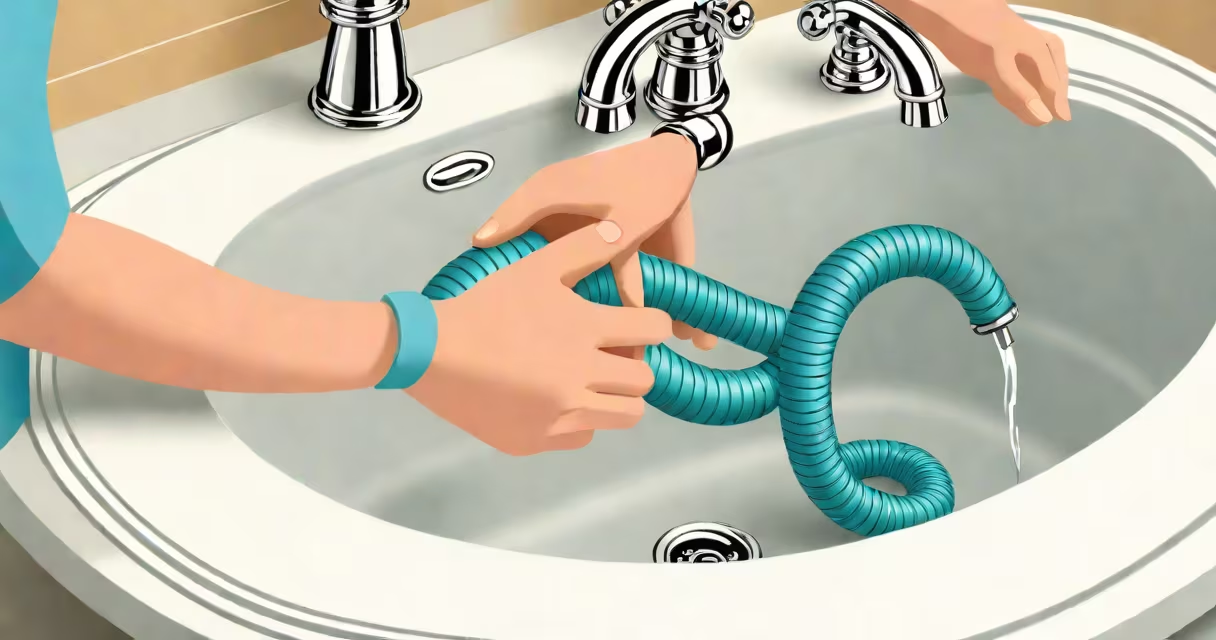
A clear clogged tub drain means removing obstructions blocking water flow from a bathtub, typically caused by hair, soap scum, or debris buildup. This process restores proper drainage and prevents standing water or unpleasant odors.
When water drains slowly or backs up after a bath, the drain is likely clogged. The blockage forms over time as hair, skin cells, and soap residue accumulate in the P-trap-a U-shaped pipe under the tub. Without intervention, this can lead to persistent backups and potential overflow.
Most clogs occur within the first 12 inches of the drainpipe. A simple plunger may work for minor blockages, but deeper clogs require mechanical or chemical solutions. The goal is to dislodge or dissolve the obstruction without damaging pipes.
Drains rely on gravity and consistent water pressure to move waste through a network of pipes. When the flow slows, the system fails. Hair and grease form a sticky matrix that traps particles, narrowing the pipe diameter over time.
Manual tools like a drain snake or wire auger physically break up the blockage. The flexible metal coil is inserted into the drain and rotated to catch and pull out debris. For stubborn clogs, a motorized version provides greater torque and reach.
Chemical cleaners dissolve organic material. Enzymatic cleaners use bacteria to digest hair and soap scum over 24-48 hours. Acid-based cleaners (like those containing sulfuric acid) break down grease but risk corroding older pipes. Always follow label instructions and avoid mixing chemicals.
Different clog types require different approaches. The table below outlines common causes and recommended solutions.
| Clog Type | Common Cause | Recommended Tool/Method | Effectiveness |
|---|---|---|---|
| Surface-level | Hair and soap scum near drain opening | Plunger or drain snake | High (if applied correctly) |
| Mid-pipe | Debris trapped in P-trap | Plumber's snake or manual auger | Very high |
| Deep-seated | Grease, mineral deposits, or tree roots (rare) | Motorized snake or professional hydro-jetting | High to very high |
Enzymatic cleaners are safe for PVC and metal pipes. They work best when left overnight. Acid-based cleaners should never be used in older galvanized iron pipes-they can cause rapid deterioration.
For recurring issues, consider installing a drain strainer. These mesh filters catch hair before it enters the pipe. They reduce maintenance frequency and extend the life of the plumbing system.
Clear clogged tub drain is a routine household task in homes with bathtubs. It prevents water damage, mold growth, and foul smells. The average American household experiences at least one drain issue per year, according to the Plumbing-Heating-Cooling Contractors Association (PHCC).
Bathrooms see higher clog rates than kitchens due to frequent exposure to soap, shampoo, and skin oils. A single shower can deposit 2-3 grams of hair and sebum into the drain. Over time, this builds up into a solid mass.
Failure to address a clogged tub drain can lead to secondary problems. Standing water promotes bacterial growth and attracts pests. In rental units, unresolved clogs may result in tenant complaints or repair liability.
Many assume that pouring boiling water down a clogged drain clears it. This works only for light grease buildup. Boiling water damages PVC pipes and can melt plastic drain components. The Environmental Protection Agency (EPA) warns against using hot water on plastic or rubber seals.
Another myth is that baking soda and vinegar create a useful reaction that clears clogs. While the fizzing action removes surface grime, it lacks the force to break through dense hair masses. The EPA notes that this method resolves less than 15% of typical tub drain clogs.
Some users believe chemical drain cleaners are safe for daily use. This is false. Repeated application erodes pipe linings and increases the risk of leaks. The American Society of Plumbing Engineers (ASPE) recommends limiting chemical use to once per month and only after mechanical methods fail.
In my home, a 10-year-old bathtub began draining slowly after a long shower. I tried a plunger-no improvement. I then removed the drain cover and saw a thick mat of hair and soap residue. Using a standard plumber's snake, I inserted it until resistance was felt. Rotating the handle pulled out a 6-inch clump of hair and greasy sludge.
After flushing with hot water, the drain cleared completely. The entire process took 12 minutes. I now use a drain strainer and clean the trap monthly to prevent recurrence.
For persistent clogs, especially in older homes, calling a licensed plumber is advisable. A professional can inspect the system with a camera and identify structural issues like pipe misalignment or root intrusion.
Understanding how to clear clogged tub drain prevents small issues from becoming costly repairs. Regular maintenance and proper tool use ensure long-term functionality and hygiene.