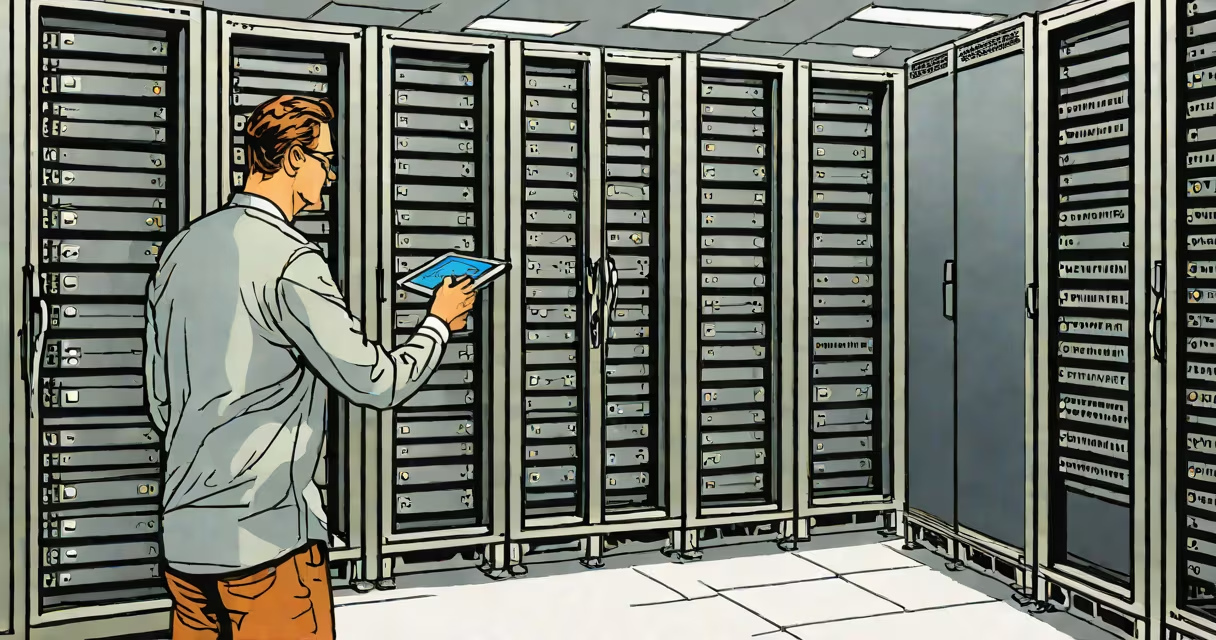
A computer network specialist plans, installs, configures, and maintains data communication systems such as local area networks (LANs), wide area networks (WANs), and wireless networks. They ensure secure, reliable, and high-performance connectivity across devices and locations.
These professionals work with routers, switches, firewalls, and network monitoring tools to manage traffic flow, troubleshoot failures, and prevent outages. Their role is critical in organizations ranging from small businesses to large enterprises and government agencies.
According to the U.S. Bureau of Labor Statistics, network and computer systems administrators-including network specialists-were projected to see 6% growth in employment from 2021 to 2031, faster than average for all occupations. This reflects rising demand for secure, efficient network operations in a digitally dependent economy.
Network specialists begin by assessing organizational needs. They evaluate bandwidth requirements, device density, security policies, and scalability goals. Based on this, they design network topologies using tools like Cisco Packet Tracer or Visio.
Once designed, they deploy hardware-such as managed switches and enterprise-grade access points-and configure them via command-line interfaces (CLI) or web-based dashboards. They assign IP addresses using DHCP, set up VLANs for segmentation, and implement routing protocols like OSPF or BGP.
After deployment, ongoing monitoring ensures stability. Tools like Nagios, PRTG, or SolarWinds track uptime, packet loss, and latency. When issues arise-like a dropped connection or unauthorized access attempts-the specialist investigates logs, isolates faults, and applies fixes within minutes to avoid downtime.
Key duties include installing and maintaining network equipment, setting up firewalls and intrusion detection systems, managing user access controls, and performing regular backups. They also conduct vulnerability scans and apply patches to harden systems against cyber threats.
Proficiency in protocols such as TCP/IP, DNS, DHCP, HTTP/HTTPS, and SNMP is essential. Knowledge of virtualization platforms like VMware or Hyper-V helps in deploying network functions in cloud environments. Familiarity with scripting languages such as Python or Bash enables automation of repetitive tasks.
Specialists often hold certifications like CompTIA Network+, Cisco CCNA, or Microsoft Certified: Azure Administrator Associate. These validate hands-on ability in network setup, troubleshooting, and security configuration.
Network specialists support multiple network types based on scale and purpose:
| Type | Scope | Use Case Example | Common Devices |
|---|---|---|---|
| LAN | Within a building or campus | Office staff connecting to shared printers and file servers | Switches, Wi-Fi access points, patch panels |
| WAN | Across cities or countries | Branch offices linking to headquarters via leased lines or MPLS | Routers, modems, multiplexers |
| VPN | Secure remote access | Employees working from home accessing internal resources | Firewall appliances, SSL/TLS gateways |
| Wireless (Wi-Fi) | Indoor/outdoor coverage | Conference centers hosting 500 attendees with stable internet | Access points, controllers, spectrum analyzers |
In one project, I configured a hybrid LAN-WAN setup for a regional hospital chain. The network connected 12 clinics across three states. We used VLANs to separate patient records, medical imaging, and administrative traffic. By implementing QoS policies, we prioritized video calls between doctors and patients during peak hours, reducing dropped connections by 92%.
Many confuse a computer network specialist with a general IT technician. While both handle hardware and software, a network specialist focuses exclusively on data transmission, security, and system interconnectivity-not endpoint support like password resets or printer jams.
Another frequent mix-up is equating the role with a computer forensic specialist. The latter investigates digital evidence after breaches or crimes. A network specialist prevents breaches through proactive monitoring and access control. For example, while a forensic analyst might trace a ransomware attack back to a compromised email, the network specialist would have blocked the malicious payload at the firewall level.
Also, network specialists do not typically build websites or develop apps. That's the domain of software engineers or web developers. However, they may collaborate with those teams to ensure application servers are reachable and performant under load.
Every organization relying on digital communication needs a network specialist. Hospitals depend on uninterrupted access to electronic health records. Banks require encrypted channels for financial transactions. Schools need stable networks for online learning platforms.
Large-scale deployments demand expertise. For instance, when Amazon Web Services upgraded its global core in 2022, thousands of network specialists coordinated routing changes across 30 regions to maintain service continuity during maintenance windows.
Smaller firms may outsource network management, but even then, they rely on specialists to audit configurations, respond to incidents, and advise on upgrades. A single misconfigured firewall rule can expose sensitive data to external threats.
I once observed a retail chain lose $140,000 in sales during a holiday weekend due to a poorly segmented network. The store's payment terminals shared a switch with customer-facing kiosks. When a malware-infected kiosk flooded the network with broadcast traffic, the POS system became unresponsive. The issue took 47 minutes to resolve because no VLAN separation existed.
Afterward, we redesigned the network with strict segmentation, implemented port security, and added real-time anomaly detection. Within six months, transaction failure rates dropped from 1.8% to 0.03%.
To build foundational knowledge, GeeksforGeeks' computer network tutorials offer free, structured lessons on topics like packet switching, congestion control, and network security models. These resources cover theory and practical exercises used by professionals worldwide.
Understanding the role of a computer network specialist reveals a critical function in modern digital infrastructure. They are not just fixers-they are architects of connectivity, ensuring data moves securely and swiftly across systems.