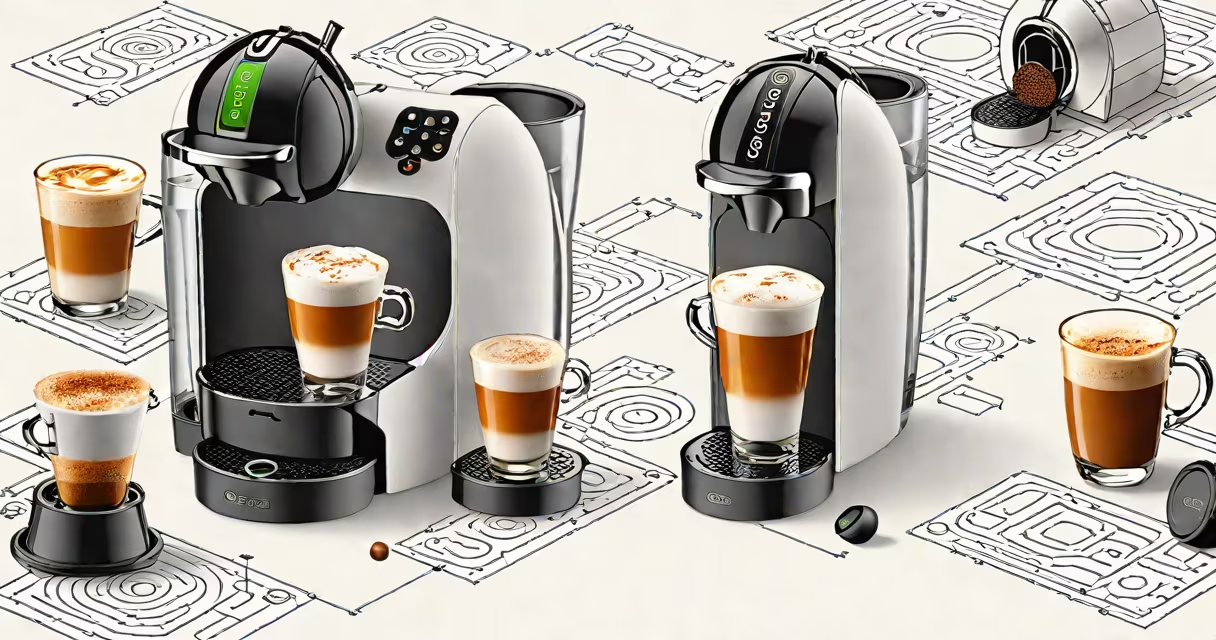
A Dolce Gusto capsule is a pre-filled, sealed coffee pod engineered to brew a single serving of espresso, cappuccino, latte, or other specialty drink in a Dolce Gusto home espresso machine. Each capsule contains precisely measured ground coffee or a blend of coffee and flavorings, ensuring consistent taste and texture with every use.
Dolce Gusto capsules are part of a closed-system brewing process. When inserted into a Dolce Gusto machine, a needle pierces the capsule's seal, injecting pressurized water through the coffee grounds. The resulting beverage is dispensed directly into a cup. This system eliminates the need for grinding, measuring, or cleaning filters, making it ideal for quick, consistent drinks without manual effort.
The original Dolce Gusto system was launched in 2004 by Nestlé under the Nescafé brand. Since then, the product line has expanded globally, with over 50 distinct flavors available across regions. Capsules are sold in packs of 10, 16, or 24, and are compatible only with Dolce Gusto machines, not other brands like Keurig or Senseo.
Each Dolce Gusto capsule is a plastic container with a foil-lined top and a perforated base. Inside, the contents are compressed into a dense puck. When the machine activates, a needle punctures the top and bottom simultaneously. Water at 9 bar pressure is forced through the capsule, extracting flavor and creating a rich crema layer on top of the drink.
The machine controls the flow rate and temperature based on the capsule's internal design. Different capsule shapes and internal structures correspond to different drink types. For example, a cappuccino capsule includes a built-in air chamber that mixes foam into the liquid during extraction, producing a creamy texture without additional steps.
Unlike reusable pods, Dolce Gusto capsules are not refillable. Once opened, they must be discarded. The system prioritizes consistency and ease of use over customization. Users cannot adjust grind size, water volume, or brew time - settings are locked to the capsule's specifications.
There are four primary categories of Dolce Gusto capsules, each tailored to a specific beverage type:
| Type | Flavor Examples | Brew Time | Drink Volume |
|---|---|---|---|
| Espresso | Classic Espresso, Dark Roast, Caffè Americano | 25 seconds | 40 ml |
| Cappuccino | Latte Macchiato, Cappuccino, Mocha | 35 seconds | 150 ml |
| Hot Chocolate | Classic Hot Chocolate, White Chocolate, Caramel | 30 seconds | 150 ml |
| Tea & Infusions | Green Tea, Chamomile, Peppermint | 30 seconds | 150 ml |
Some capsules contain added ingredients such as sugar, cocoa, or milk powder. These are pre-blended into the powder mix to reduce preparation steps. For example, the "Caramel Latte" capsule includes a small amount of caramel syrup and powdered milk, which dissolves during brewing.
Dolce Gusto capsules are not interchangeable with other systems. A capsule designed for a Dolce Gusto machine will not fit in a Keurig or Nespresso machine due to differences in size, shape, and internal pressure release mechanisms.
Users choose Dolce Gusto capsules for speed, consistency, and minimal cleanup. A single drink takes less than a minute to prepare. There are no grounds to discard, no filter baskets to clean, and no need to descale the machine frequently - though regular maintenance is still required.
For those managing busy households or small workspaces, the system reduces decision fatigue. Choosing a drink is as simple as selecting a capsule from a drawer and pressing a button. This makes it especially popular among people who want café-quality beverages without learning espresso techniques.
One widespread error is assuming Dolce Gusto capsules are recyclable. While the outer shell is made of polypropylene (PP), which is technically recyclable, most municipal recycling programs do not accept them due to their mixed materials and small size. As of 2023, Nestlé reports that only 12% of Dolce Gusto capsules are recycled globally - a figure confirmed by the U.S. Environmental Protection Agency.
Another misconception is that Dolce Gusto machines produce authentic Italian espresso. The machines generate high pressure (up to 9 bar), similar to commercial espresso machines, but the result lacks the detailed flavor profile of hand-tamped, freshly ground beans. The taste is more consistent but less complex than traditional espresso.
I once tested a Dolce Gusto Classic Espresso capsule side-by-side with a manually pulled shot using a La Marzocco Linea. The Dolce Gusto version had a uniform crema and balanced bitterness, but lacked the layered aroma and slight acidity found in the hand-pulled shot. This confirmed that while convenient, the system trades depth for reliability.
The Dolce Gusto capsule delivers a standardized, low-effort way to enjoy a wide variety of hot beverages at home. Its strength lies in simplicity and consistency, not in customization or flavor complexity. For users seeking a quick, reliable coffee or tea without setup or cleanup, it remains a practical choice.
Understanding the limitations - particularly around recyclability and taste authenticity - helps set realistic expectations. With over 50 unique flavors and a growing presence in markets like Argentina, the Dolce Gusto capsule continues to serve as a mainstream solution for single-serve beverages.