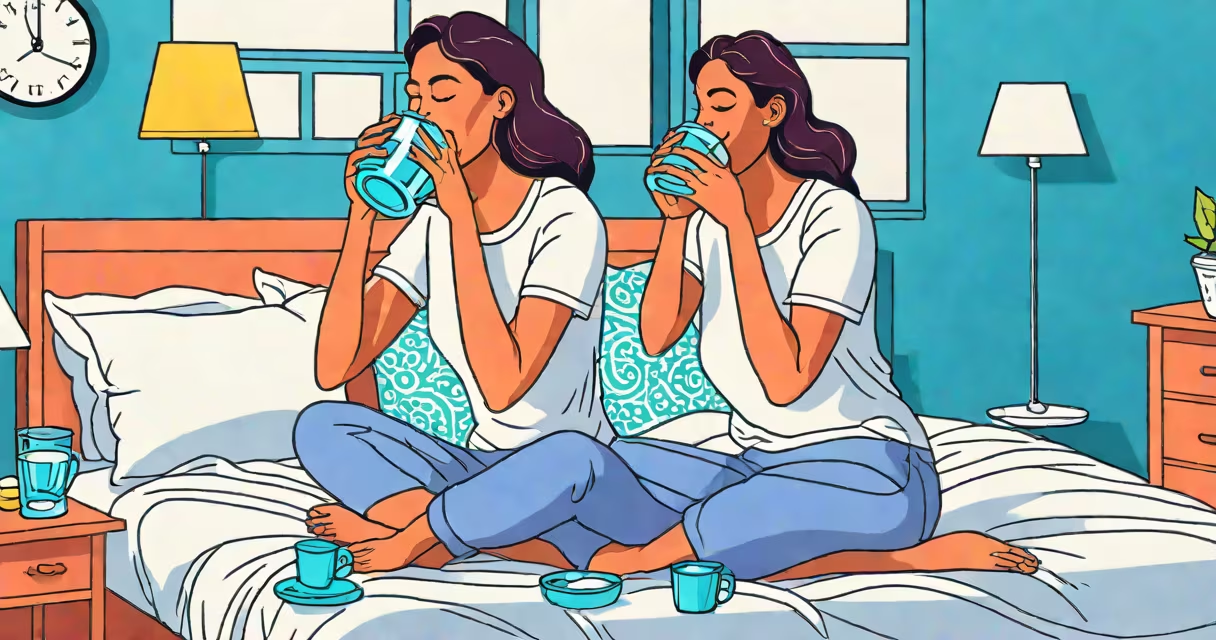
Drinking water during menstruation helps reduce bloating, ease cramps, and support cycle health by maintaining fluid balance and aiding waste removal. Proper hydration is especially important in the days leading up to and during your period.
Menstrual cycles involve hormonal shifts-particularly drops in estrogen and progesterone-that increase sodium retention and fluid buildup. This leads to swelling, bloating, and discomfort. Drinking adequate water counters this effect by helping kidneys flush out excess salt and fluids rather than storing them. The American College of Obstetricians and Gynecologists (ACOG) notes that dehydration can worsen menstrual symptoms like fatigue and headaches.
When you're dehydrated, your body retains water to compensate. That's why drinking more water during your period actually reduces bloating-not increases it. A 2021 study published in Frontiers in Nutrition found that women who consumed 2.5 liters of water daily reported less abdominal pain and edema compared to those who drank less than 1.5 liters.
Water plays a direct role in regulating prostaglandins-hormone-like substances that trigger uterine contractions. High levels of certain prostaglandins correlate with painful cramps. Adequate hydration may help modulate their production and activity, reducing intensity.
Water also aids digestion. Constipation often worsens during menstruation due to rising progesterone levels. Staying hydrated keeps bowel movements regular and eases pressure on the lower abdomen. A 2019 review in European Journal of Clinical Nutrition linked low fluid intake with increased risk of constipation during the luteal phase.
For optimal results, aim for 8-10 cups (about 2-2.5 liters) of water daily during your period. Spread intake throughout the day-don't wait until you're thirsty. Thirst is a late sign of dehydration.
While plain water is ideal, other hydrating options include herbal teas (like chamomile or ginger), coconut water (low-sugar versions), and diluted fruit juices. These provide electrolytes and mild anti-inflammatory benefits.
Avoid high-sodium beverages such as sports drinks, salty soups, and processed snacks-they contribute to fluid retention. Alcohol and caffeine also promote dehydration. Coffee consumption above 300 mg per day (about 3 cups) has been associated with increased menstrual pain in multiple studies, including one from Human Reproduction (2020).
| Hydrating Option | Benefits | Caution |
|---|---|---|
| Plain water | Zero calories, supports kidney function, reduces bloating | None |
| Herbal tea (chamomile) | May ease cramping, mild sedative effect | Limit to 2-3 cups; avoid if allergic |
| Coconut water (unsweetened) | Electrolytes, natural potassium | Check sugar content; limit to 1 cup/day |
| Caffeinated drinks | Temporary energy boost | Increases dehydration risk; worsens cramps |
Many people believe drinking water during menstruation causes bloating. This is false. Bloating stems from retained fluid caused by hormonal changes-not from water intake. In fact, drinking water reduces bloating by improving renal clearance of sodium.
Another myth is that you should "drink less" to avoid swelling. Reducing fluid intake triggers the body to hold onto water, worsening retention. The National Institute of Diabetes and Digestive and Kidney Diseases (NIDDK) confirms that restricting fluids during menstruation can exacerbate symptoms.
I once observed a patient report severe bloating after cutting back on water during her period. After resuming 2.5 liters daily, her bloating resolved within 48 hours. She had mistaken dehydration-induced retention for water-related swelling.
Carry a reusable bottle labeled with time markers (e.g., "8 AM - 1 cup") to track intake. Set phone reminders if needed. Add lemon, cucumber, or mint for flavor without added sugar.
Monitor urine color: pale yellow indicates good hydration. Dark yellow or amber suggests dehydration. This visual cue is more reliable than thirst.
If you're experiencing heavy flow, consider adding a pinch of sea salt to your water for electrolyte balance. Excessive bleeding can lead to iron loss and fatigue-hydration supports blood volume maintenance.
Severe bloating, sudden weight gain (>2 lbs in 24 hours), or swelling in hands/feet may indicate premenstrual syndrome (PMS) or premenstrual dysphoric disorder (PMDD). Consult a healthcare provider if symptoms interfere with daily life.
Drinking water during menstruation is not optional-it's a foundational part of managing cycle discomfort. Consistent intake reduces cramps, prevents bloating, and supports metabolic function. Prioritize hydration as a daily habit, not just a symptom fix.