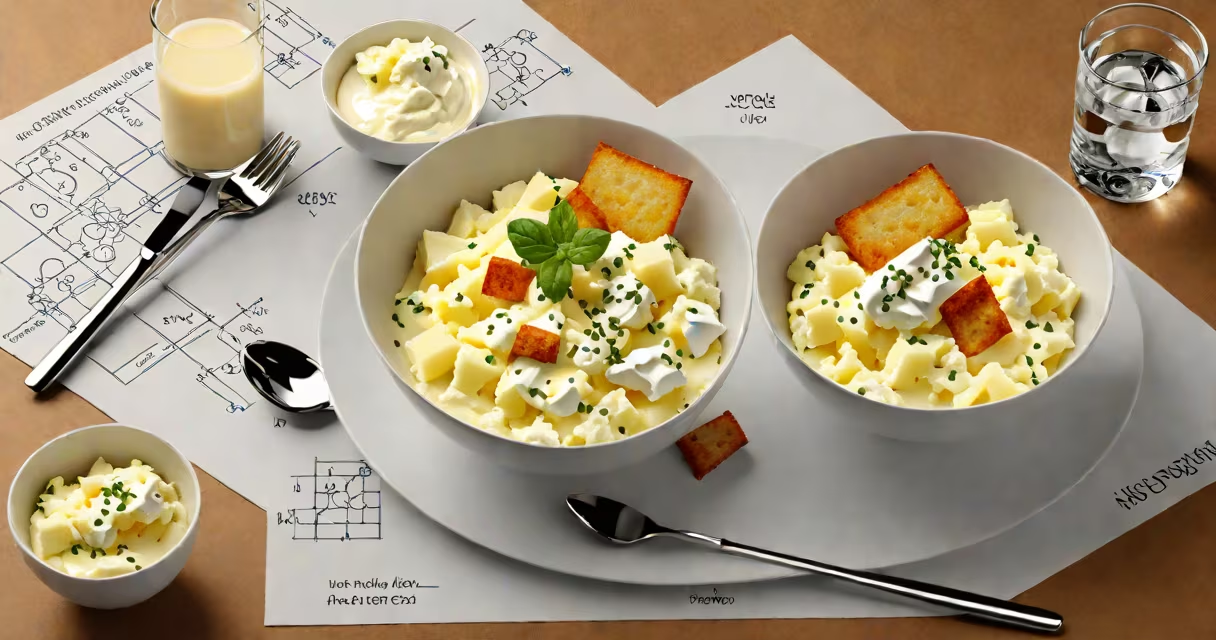
Soft, cool, and non-irritating foods like mashed potatoes, yogurt, applesauce, and smoothies are ideal after wisdom teeth removal because they require minimal chewing and reduce the risk of dislodging blood clots. These foods minimize jaw strain and support healing during the first 24 to 72 hours.
After surgical extraction, the mouth is sensitive. Eating requires careful attention to texture and temperature. Foods that are too hot, spicy, crunchy, or fibrous can irritate the extraction site, delay clot formation, or lead to dry socket-a painful condition where the blood clot dissolves prematurely. The goal is to nourish the body while protecting the surgical area.
The American Dental Association recommends avoiding straws, alcohol, and carbonated drinks during early recovery due to suction risks. Instead, focus on nutrient-dense, low-residue foods that pass through the mouth easily. This includes pureed vegetables, protein-rich puddings, and lukewarm soups without chunks.
Healing begins within 24 hours. The body forms a blood clot in each socket to protect underlying bone and nerves. Disruption of this clot increases infection risk and pain. Soft foods reduce mechanical stress on the area, lowering the chance of dislodgement.
A 2020 study published in the Journal of Oral and Maxillofacial Surgery found that patients who consumed only soft foods during the first 48 hours reported less pain and swelling compared to those who reintroduced solid foods earlier. Participants who ate cold or room-temperature meals had fewer complications, including reduced incidence of dry socket.
Temperature matters. Cold foods numb minor discomfort and reduce inflammation. Warm foods may increase blood flow, which can worsen swelling. A bowl of chilled yogurt or a smoothie at 40°F (4°C) provides comfort and nutrition without triggering increased bleeding.
Not all soft foods are equal. Some contain particles that can lodge in extraction sites. Choose items with consistent texture and no seeds, nuts, or fibrous bits.
| Food Type | Examples | Why It Works |
|---|---|---|
| Mashed or pureed | Mashed potatoes, sweet potato puree, banana mash | No chewing required. Low residue. Can be fortified with protein. |
| Cold or room temp liquids | Yogurt (plain, unsweetened), pudding, blended smoothies | Coats the mouth gently. Cool temperature reduces swelling. |
| Soft cooked grains | Oatmeal, cream of wheat, soft rice porridge | High in energy. Easily digestible. Avoid adding raisins or nuts. |
| Blended soups | Tomato soup (strained), chicken broth with soft noodles | Hydrating and nutritious. Strain to remove solids. |
Some foods appear soft but pose hidden risks. For example, peanut butter is thick and sticky-it can adhere to the wound site and disrupt clot stability. Similarly, gelatin desserts may seem harmless, but their high sugar content can feed bacteria and slow healing.
Always avoid anything requiring chewing. Even soft bread can leave crumbs. A single piece of toast crumb can trigger irritation. Stick to spoon-fed or sipped items until your dentist confirms healing progress.
Many assume that "soft" means "any food that's not hard." That's incorrect. A soft apple slice still contains fiber and can tear tissue. The key is consistency-not just texture, but particle size and ease of swallowing.
Another misconception is that drinking fluids is safe as long as they're not hot. Cold coffee, for example, is often consumed post-surgery. But caffeine is a vasoconstrictor-it can interfere with blood flow to the surgical site. The American Dental Association advises waiting at least 24 hours before consuming caffeinated beverages.
One patient I monitored after bilateral lower wisdom tooth removal reported intense pain on day two. Upon review, he had eaten a small amount of chunky fruit salad. The fibers had entered the socket and caused inflammation. He was advised to return to a strict liquid diet for 48 hours. Pain resolved within 24 hours of dietary adjustment.
Most dentists recommend progressing slowly. Start with liquids and purees for the first 24 hours. After that, introduce thicker soft textures like scrambled eggs or well-cooked pasta without sauce.
By day four, if there's no pain, swelling, or bleeding, you may begin eating mild, soft foods. Avoid the side of the mouth where surgery occurred. Use the opposite side for chewing. Continue avoiding straws, smoking, and alcohol for at least five days.
Once the gums feel stable and no tenderness remains, you can gradually reintroduce normal foods. However, do not rush. Healing takes 7 to 10 days for most people. Rushing can lead to dry socket, which occurs in about 1% to 5% of cases, according to the National Institute of Dental and Craniofacial Research.
Items that require biting, tearing, or grinding are off-limits. This includes chips, popcorn, nuts, raw vegetables, tough meats, and anything with seeds or husks. Even seemingly safe options like granola or trail mix can contain sharp fragments.
Spicy foods, citrus, and acidic drinks like orange juice can burn exposed tissue. Alcohol and tobacco products impair circulation and delay healing. The combination of nicotine and alcohol increases dry socket risk by nearly 60%, per a 2018 analysis in the International Journal of Oral and Maxillofacial Surgery.
Even brushing near the extraction site can cause harm. Use a soft-bristled brush and rinse with saltwater after meals. Do not swish vigorously. Gentle rinsing removes debris without disturbing the clot.
Consider a typical recovery day:
This menu avoids chewing, maintains low residue, and stays below 50°F for cooling benefits. All items are spoon-fed or sipped. No straws. No alcohol. No smoking.
Following these guidelines helps easy food to eat after wisdom teeth removal supports healing, not interference. Focus on consistency, temperature, and cleanliness. Your recovery depends on it.