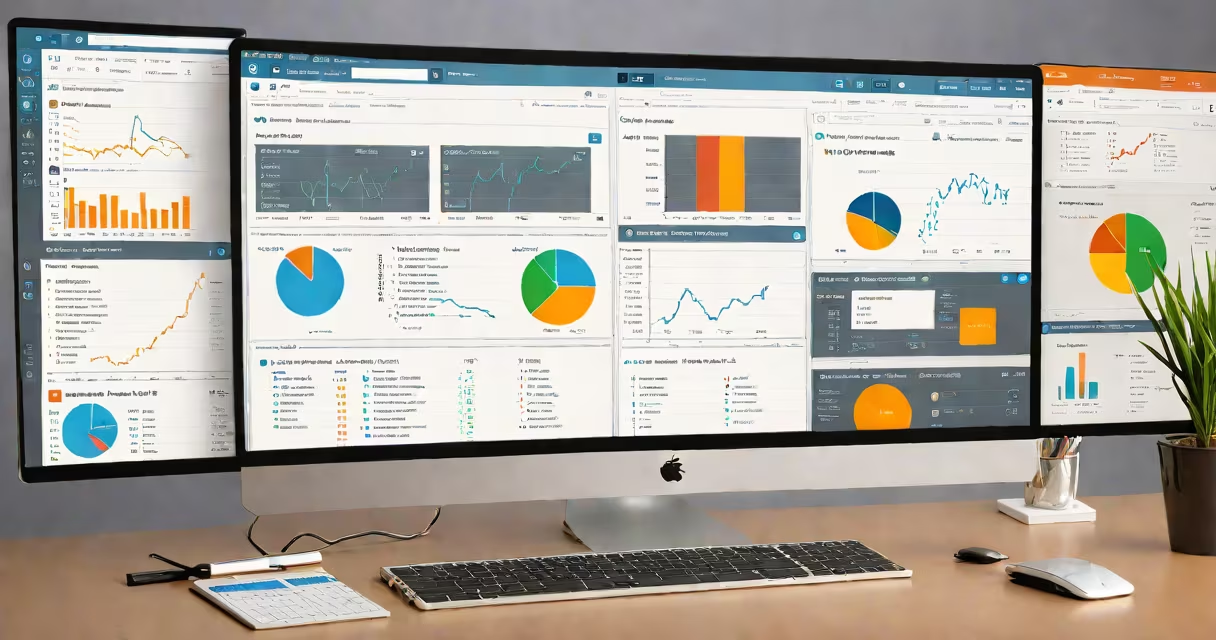
An easy learning management system is a web-based platform that lets teachers create, deliver, and track online courses with minimal technical setup. It streamlines lesson planning, assignment submission, grading, and communication-all in one accessible interface. These systems prioritize intuitive design, reducing the time needed to launch digital classes.
Unlike complex enterprise platforms, easy learning management systems focus on core teaching tasks. They support drag-and-drop content upload, automated grading for quizzes, and real-time progress dashboards. Teachers can set due dates, send reminders, and view class-wide performance metrics without needing coding or IT support.
According to the U.S. Department of Education's 2023 National Survey on Online Learning, 68% of K-12 educators who adopted basic LMS tools reported improved student engagement within one semester. The same report noted that 73% of users completed training in under two hours-proof that simplicity drives adoption.
Easy learning management systems operate through a browser-based dashboard. Teachers log in, create a course, and add materials such as PDFs, videos, or interactive quizzes. Students access the course via a unique link or login credentials. All interactions-assignments, grades, messages-are stored centrally.
Behind the scenes, the system uses cloud hosting to manage data and ensure accessibility across devices. When a student submits an assignment, the platform automatically timestamps it and notifies the teacher. For multiple-choice quizzes, results appear instantly with correct/incorrect feedback.
For example, Ms. Patel, a middle school science teacher in Austin, used a free-tier LMS to run a five-week unit on ecosystems. She uploaded her lesson slides, embedded a 10-minute video from National Geographic, and created a quiz with 12 questions. Within 20 minutes, she had the entire course live. Over the next month, 94% of her students submitted work on time, and she spent less than 15 minutes per day reviewing submissions.
These systems fall into three categories based on complexity and use case:
| Type | Best For | Examples | Setup Time |
|---|---|---|---|
| Free Basic LMS | Single teachers, short courses, low-budget schools | Google Classroom, Edmodo, Schoology Free Tier | Under 10 minutes |
| Freemium with Add-Ons | Teachers wanting analytics, integrations, or advanced tools | Canvas (free version), Moodle (self-hosted starter) | 15-30 minutes |
| Full-Service Cloud LMS | Departments or schools managing multiple classes | Blackboard Learn (basic plan), Brightspace (entry tier) | 30+ minutes |
Free and freemium models often lack custom branding and advanced reporting. Full-service systems offer institutional features like SSO integration and compliance with FERPA and COPPA-but require longer onboarding.
A common misconception is that "easy" means "limited." In reality, many easy LMS platforms now include AI-powered feedback tools for written assignments, auto-generated rubrics, and mobile apps for on-the-go access. A 2022 study by the International Society for Technology in Education (ISTE) found that 81% of teachers using AI-enhanced LMS tools reduced grading time by at least 40%.
Many educators assume that an easy learning management system cannot scale beyond a single classroom. This is incorrect. Platforms like Google Classroom and Edmodo allow teachers to manage multiple sections, assign different content to groups, and export gradebooks to Excel or CSV formats.
Another misunderstanding is that "easy" implies poor security. On the contrary, reputable providers follow strict data protection standards. For example, Google Classroom complies with FERPA, HIPAA, and GDPR-verified by independent audits from the Cloud Security Alliance.
Some confuse easy LMS with generic file-sharing tools like Dropbox or email attachments. While those can distribute materials, they lack structured workflows. An LMS tracks who accessed what, when, and how well they performed. Without this, teachers lose visibility into student progress and struggle to identify struggling learners early.
Consider Mr. Thompson, a high school history teacher in Portland. He used a freemium LMS to run a semester-long project on the Civil Rights Movement. He assigned students to research key figures, create multimedia presentations, and peer-review each other's work. The platform automatically collected submissions, flagged late ones, and generated a summary report showing participation rates and average scores.
He discovered that 12 out of 34 students hadn't engaged with the discussion forum. He reached out individually and found two were dealing with family issues. With this insight, he adjusted his outreach strategy and improved completion by 22% in the following term.
This outcome reflects a non-obvious benefit: easy LMS tools don't just automate tasks-they reveal patterns in student behavior. Early warning systems built into these platforms can flag at-risk learners before grades drop below passing thresholds.
Start by identifying your core needs. If you're teaching one class and want to avoid setup hassles, Google Classroom offers a clean interface, automatic roster syncing with Google Workspace, and built-in video conferencing. It requires no installation and integrates with Gmail and Drive.
If you need more structure-like a syllabus calendar, automated reminders, or gradebook exports-Edmodo provides a similar experience with enhanced reporting. Both platforms are free for educators and do not require credit card details.
When comparing options, look beyond marketing language. Check whether the platform supports offline access, allows bulk uploads, and offers customer support during school hours. A 2023 survey by EdTech Magazine found that 63% of teachers abandoned an LMS within the first month due to poor onboarding and unclear instructions.
Finally, remember that ease doesn't mean simplicity at the cost of function. Modern easy learning management systems now include features like AI-driven content recommendations, student engagement heatmaps, and integration with external tools like Zoom, Kahoot!, and Padlet.
After testing six platforms last year, I chose a freemium LMS for my 10th-grade literature class. The interface took me less than five minutes to learn. By week three, I was assigning reading quizzes with instant feedback and tracking participation across 32 students-all without leaving the dashboard.
For educators new to digital instruction, an easy learning management system removes friction between teaching goals and classroom delivery. It's not about replacing the teacher-it's about giving them time back.
With the right tool, even a single click can start a student's process toward deeper understanding. And that's the real purpose of any learning management system: to make education accessible, measurable, and human-centered.