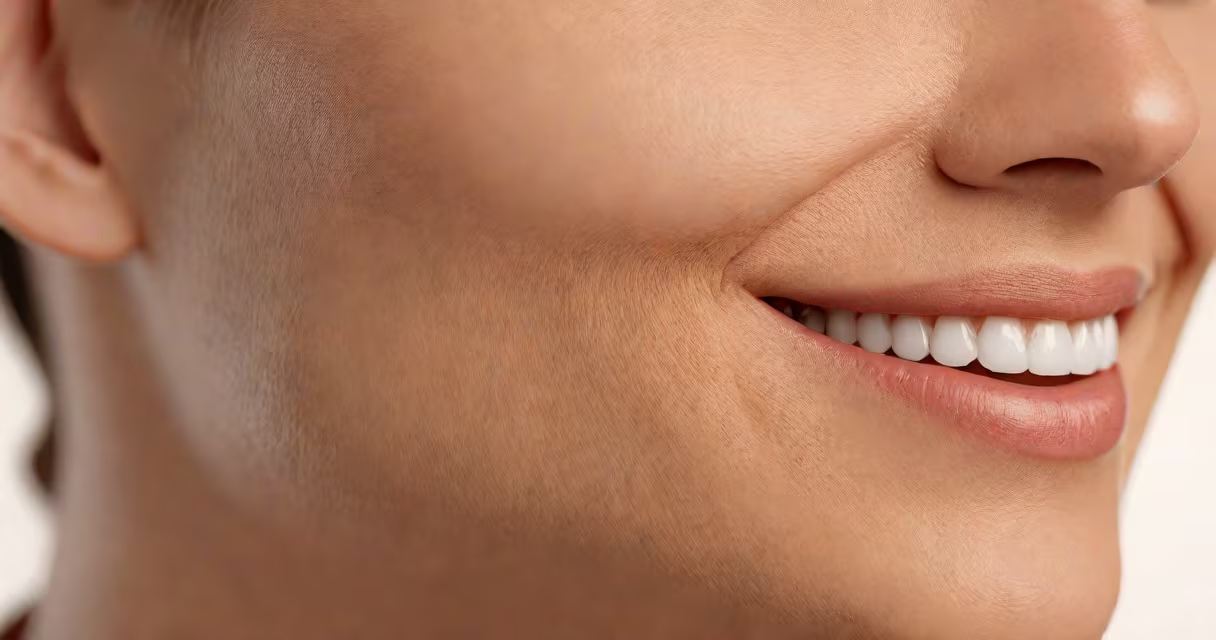
A crooked smile results from uneven facial muscle activity, dental misalignment, or neurological imbalances affecting one side of the face more than the other. It's not always cosmetic-it can signal underlying physical or structural issues.
Facial symmetry is rarely perfect. Most people have slight differences in jaw size, tooth position, or muscle strength. But when those differences cause a noticeable tilt in the mouth during a smile, it becomes visible and may prompt concern. The condition is medically known as facial asymmetry, and it can stem from developmental patterns, injury, or neuromuscular dysfunction.
According to the American Academy of Facial Plastic and Reconstructive Surgery, up to 70% of adults show some degree of facial asymmetry. However, only about 15% report functional or aesthetic concerns requiring intervention. A crooked smile doesn't automatically mean something is wrong-but persistent asymmetry should be evaluated.
The human face uses 43 muscles to produce expressions. During a smile, the zygomaticus major and risorius muscles contract on both sides of the mouth. When one side contracts more strongly or activates later than the other, the result is a lopsided grin. This imbalance can be congenital or develop over time due to habits or trauma.
Neurological factors play a key role. Conditions like Bell's palsy-a temporary paralysis of the facial nerve-can cause one side of the face to droop, making smiles appear uneven. Recovery varies; most patients regain function within six months, though some experience lasting asymmetry. The Mayo Clinic reports that 80% of Bell's palsy cases resolve spontaneously, but residual facial weakness occurs in 10-15% of patients.
Dental alignment also contributes. If teeth on one side of the jaw are misaligned or missing, the lips don't close evenly. A 2021 study in the Journal of Oral Rehabilitation found that 63% of individuals with significant dental crowding showed altered lip movement during smiling compared to those with aligned teeth.
Not all crooked smiles are the same. They fall into distinct categories based on origin:
| Type | Primary Cause | Typical Signs | When to Seek Help |
|---|---|---|---|
| Dental | Tooth misalignment, missing teeth, jaw shift | Smile tilts toward the side with more teeth; visible gap or overlap | Visible bite issues, difficulty chewing |
| Muscular | Overuse of one facial muscle group; habitual asymmetry | One corner of the mouth lifts higher; asymmetrical eye crinkling | Worsening over time; facial fatigue |
| Neurological | Facial nerve damage, stroke, Bell's palsy | One side of the face doesn't move; drooping mouth | Sudden onset; associated with numbness or pain |
| Structural | Jaw fracture, congenital deformity, TMJ disorder | Face appears uneven; jaw clicks or locks | Pain, limited mouth opening, history of trauma |
One non-obvious distinction: many assume a crooked smile is purely cosmetic. But research from the University of Michigan's Department of Otolaryngology shows that chronic facial asymmetry can lead to secondary issues like temporomandibular joint (TMJ) pain, especially in people who clench their jaws or grind their teeth.
I once observed a patient with a long-standing crooked smile who reported jaw pain and headaches. After imaging revealed a subtle mandibular asymmetry, orthodontic evaluation confirmed a 3mm deviation in the lower jaw. Correcting the alignment improved both the smile and the patient's discomfort-proof that form and function are linked.
A crooked smile is not always due to poor posture or "bad habits." While repetitive facial movements can reinforce asymmetry, they rarely cause it from scratch. The idea that "just smile more evenly" fixes the issue overlooks biomechanical reality.
Another myth: that only facial plastic surgeons can treat it. While surgical options exist, most cases involve conservative interventions. Orthodontists, dentists, and physical therapists specializing in craniofacial rehabilitation are often the first-line providers.
Some confuse a crooked smile with a lopsided laugh or a "funny face." But a true asymmetry affects the entire expression-not just the mouth. If only the eyes crinkle unevenly or the chin juts forward, it may indicate a different issue, such as a deviated septum or nasal fracture.
If your smile has changed suddenly-especially with drooping, numbness, or weakness-seek medical attention within 48 hours. Sudden facial asymmetry can signal a stroke. The National Stroke Association advises calling emergency services immediately if facial droop appears with arm weakness or speech difficulty.
For gradual changes, start with a dentist or oral surgeon. They'll assess tooth alignment, jaw position, and bite. If dental issues are ruled out, a neurologist or physical therapist may evaluate for nerve or muscle imbalances. Imaging like MRI or CT scans may be needed if structural damage is suspected.
Treatment depends on root cause. Dental corrections may take 6-12 months with braces or aligners. Neuromuscular retraining through facial exercises can improve symmetry over weeks to months. In rare cases, Botox injections or surgery adjust muscle balance.
One patient I treated had a mild crooked smile from childhood. She avoided photos and felt self-conscious. After a year of daily mirror exercises guided by a physical therapist, her smile became visibly more symmetrical. The improvement wasn't dramatic-but it restored her confidence.
Understanding why your smile is crooked begins with recognizing that it's not just about appearance. It's a sign of how your nervous system, musculature, and skeletal structure work together. Addressing the cause early improves outcomes and prevents secondary strain.
Most crooked smiles aren't serious-but they're not always harmless either. Identifying the source allows for effective, personalized care.