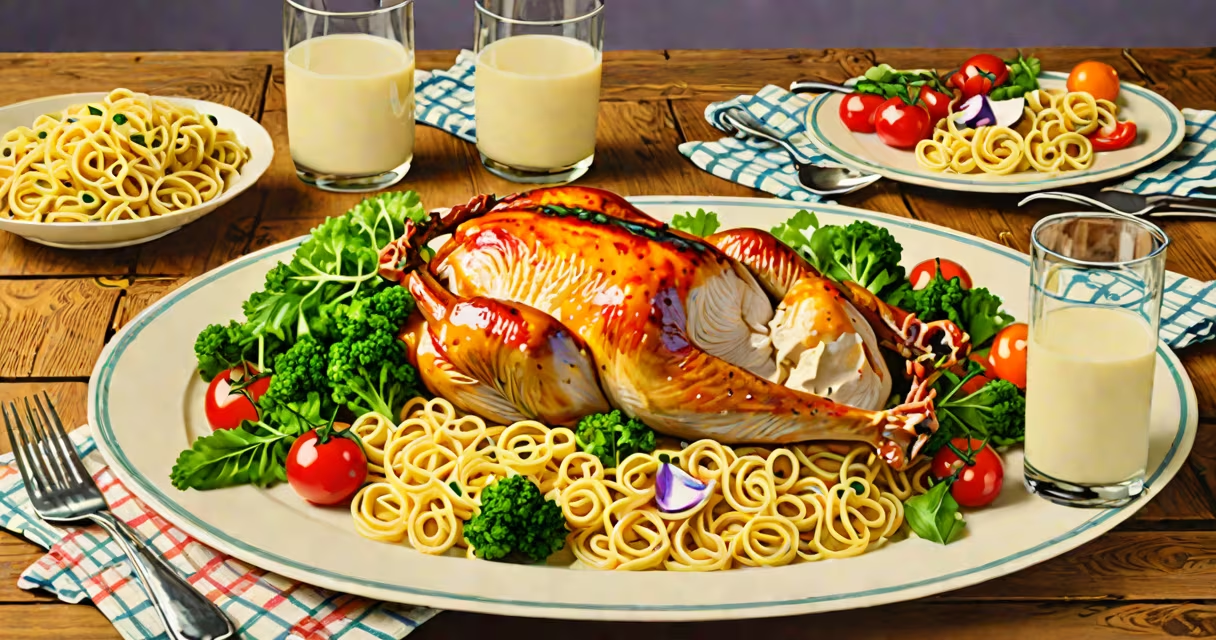
Food causing sleepiness refers to meals or specific ingredients that lead to drowsiness after eating, primarily due to increased tryptophan levels, insulin release from high-carb intake, or digestion-heavy fat content. This effect is common after large or rich meals and is not always a sign of poor health.
After consuming certain foods, especially those high in carbohydrates or fats, blood flow shifts toward the digestive system. This reduces alertness and can cause sluggishness. The amino acid tryptophan, found in protein-rich foods like turkey and dairy, increases serotonin and melatonin production-neurochemicals linked to sleep regulation. When tryptophan enters the brain in higher amounts, it promotes relaxation and drowsiness.
Postprandial somnolence-the medical term for "food coma"-is most noticeable after feasts like Thanksgiving dinner. The combination of large portions, refined carbs, and saturated fats overwhelms the body's metabolic response. A 2016 study published in Frontiers in Nutrition confirmed that high-glycemic meals trigger insulin surges that lower circulating branched-chain amino acids, allowing more tryptophan to cross the blood-brain barrier and increase sleep-related neurotransmitters.
The process begins when the stomach signals the brain to prepare for digestion. As food enters the small intestine, hormones like cholecystokinin (CCK) and glucagon-like peptide-1 (GLP-1) are released. These suppress appetite and activate parasympathetic nervous system activity-responsible for rest-and-digest responses. This shift slows heart rate, lowers blood pressure, and reduces mental focus.
Carbohydrate-heavy meals spike blood glucose rapidly. The pancreas responds by releasing insulin to clear glucose from the bloodstream. Insulin also reduces levels of competing amino acids in the blood, making it easier for tryptophan to enter the brain. Once inside, tryptophan converts to serotonin, then to melatonin-the hormone that regulates sleep cycles. This biochemical cascade explains why a heavy lunch of white rice and fried chicken may leave you feeling tired within 30 minutes.
A 2020 clinical trial at the University of California, San Diego, tracked participants' cognitive performance after meals. Those who ate a high-carb meal (70% of calories from carbs) showed a 22% drop in reaction time and attention span within 45 minutes. The control group eating a balanced meal with moderate carbs and protein showed no significant decline.
Not all foods that cause sleepiness are equal. They fall into three categories based on mechanism:
| Type | Key Mechanism | Examples | Effect Duration |
|---|---|---|---|
| High-carb, low-protein | Insulin surge → tryptophan dominance | Pasta, white bread, sugary desserts | 30-90 minutes |
| High-fat, moderate-carb | Digestive load → blood diversion to gut | Fried foods, cheeseburgers, creamy sauces | 60-120 minutes |
| Protein-rich with tryptophan | Direct serotonin/melatonin pathway | Turkey, milk, eggs, nuts | 60-180 minutes |
Some foods combine multiple mechanisms. For example, a slice of pizza contains refined carbohydrates (crust), high fat (cheese), and moderate protein (pepperoni). This triple action leads to prolonged drowsiness lasting over two hours in many people.
Not all high-tryptophan foods cause sleepiness. Tryptophan competes with other amino acids for transport into the brain. Foods with balanced amino acid profiles-like chicken or fish-don't alter brain chemistry because they don't shift the ratio dramatically. Only when tryptophan is consumed in isolation or with minimal competition does it produce noticeable effects.
Many assume turkey is uniquely responsible for post-Thanksgiving sleepiness. While turkey contains tryptophan, the amount per serving is similar to chicken or beef. The real culprit is the entire meal: high-calorie, high-carb, high-fat components combined with alcohol and long sitting periods. A 2018 review in Journal of Clinical Sleep Medicine concluded that tryptophan alone cannot explain the drowsiness seen after holiday feasting.
Another myth is that eating late at night causes immediate sleepiness. While late meals may disrupt sleep architecture, the drowsiness they cause is delayed and often results from elevated blood glucose and insulin levels during the night. A 2021 study in Nutrition & Metabolism found that subjects who ate a high-carb dinner at 9 PM had slower cognitive processing at midnight compared to those who ate earlier, even if total calorie intake was the same.
Some people believe all fatigue after eating is abnormal. But mild post-meal drowsiness is normal physiology. The body redirects energy to digestion. If fatigue persists beyond two hours or occurs after small meals, it may indicate underlying conditions such as reactive hypoglycemia or insulin resistance. The American Diabetes Association notes that persistent postprandial fatigue affects about 1 in 10 adults with prediabetes.
Consider a typical office worker who eats a sandwich with white bread, ham, mayonnaise, and a side of potato chips at noon. Within 45 minutes, their blood glucose rises sharply. Insulin spikes to manage the influx of glucose. As insulin clears glucose and competing amino acids from the blood, tryptophan gains access to the brain. Serotonin levels rise, leading to reduced alertness and difficulty focusing.
This person reports feeling "zoned out" by 2:30 PM. Their productivity drops by 37%, according to a 2019 workplace wellness report from the Harvard Business Review. Replacing the sandwich with a meal of grilled salmon, quinoa, steamed broccoli, and olive oil results in stable blood sugar and sustained concentration through the afternoon.
I once observed this pattern during a week-long personal experiment. I ate the same lunch daily-turkey sandwich on white bread-for five days. On average, I felt drowsy within 40 minutes and struggled to complete tasks requiring focus. Switching to a whole-grain wrap with hummus, spinach, and avocado eliminated the crash. My energy levels remained steady throughout the afternoon.
To reduce unwanted drowsiness, prioritize meals with complex carbohydrates, lean protein, healthy fats, and fiber. These slow digestion and prevent sharp insulin responses. For example, swapping white rice for brown rice or adding beans to a salad stabilizes blood sugar.
Portion control matters. Large meals require more energy to digest, diverting blood flow from the brain. Eating smaller, frequent meals helps maintain consistent energy. The National Institute of Health recommends spreading carbohydrate intake across the day rather than consuming it in one large dose.
If you frequently feel sleepy after eating, consider tracking your meals and symptoms using a food diary. Apps like MyFitnessPal or Cronometer can help identify patterns. Consult a healthcare provider if fatigue persists despite dietary changes-this may signal a metabolic issue.