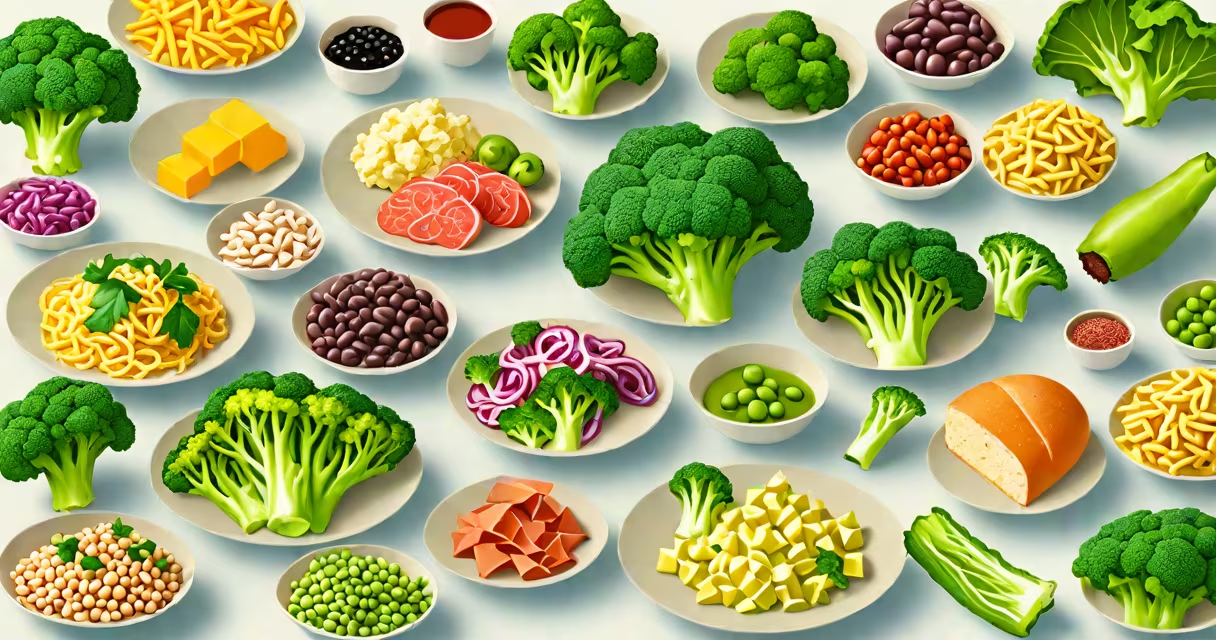
Foods that can cause bloating are those that ferment in the large intestine, producing gas and expanding the abdomen. Common triggers include legumes, cruciferous vegetables, dairy, and high-FODMAP carbohydrates. These foods are metabolized by gut bacteria, leading to distension in sensitive individuals.
Bloating arises when undigested food reaches the colon and is broken down by microbes. This process releases hydrogen and methane gases, which accumulate and stretch intestinal walls. The sensation is often accompanied by visible swelling, discomfort, and pressure. Not everyone experiences bloating from the same foods-individual tolerance varies based on gut microbiome composition and enzyme levels.
A 2020 study published in Gastroenterology found that 70% of irritable bowel syndrome (IBS) patients reported symptom improvement after eliminating high-FODMAP foods, a group known to trigger gas production. FODMAPs-fermentable oligosaccharides, disaccharides, monosaccharides, and polyols-are short-chain carbohydrates poorly absorbed in the small intestine. When they reach the colon, they draw water and feed bacteria, increasing gas volume.
When you eat certain foods, digestion begins in the mouth and continues through the stomach and small intestine. Normally, nutrients are absorbed here. But some compounds pass through unchanged into the large intestine, where resident bacteria ferment them. This fermentation produces carbon dioxide, hydrogen, and methane-gases that build up and cause bloating.
For example, lactose in milk requires the enzyme lactase to break it down. People with low lactase activity cannot digest lactose properly. Undigested lactose ferments in the colon, generating gas and fluid. This leads to bloating, cramping, and sometimes diarrhea. Lactose intolerance affects about 65% of adults globally, according to the National Institutes of Health.
Another mechanism involves fructose malabsorption. Fructose is a sugar found in fruits, honey, and high-fructose corn syrup. When consumed in excess, especially without glucose to balance absorption, it remains in the gut and draws water into the lumen. This increases volume and pressure, resulting in bloating. A 2018 study in Alimentary Pharmacology & Therapeutics confirmed that high-fructose intake correlates with increased bloating in healthy volunteers.
The following categories contain well-documented bloating triggers. Individual sensitivity varies, but these groups consistently appear in clinical trials and patient reports.
| Foods that can cause bloating | Why they cause bloating | Examples |
|---|---|---|
| High-FODMAP foods | Short-chain carbs not absorbed in small intestine; fermented by gut bacteria | Onions, garlic, wheat, apples, mangoes, artichokes |
| Dairy products | Lactose not digested in lactose-intolerant individuals | Milk, cheese, yogurt, ice cream |
| Legumes | Starches and fibers that ferment rapidly in colon | Beans, lentils, chickpeas, soybeans |
| Cruciferous vegetables | Complex carbohydrates and sulfur compounds produce gas | Broccoli, cauliflower, Brussels sprouts, cabbage |
| Carbonated drinks | Introduce air directly into the gastrointestinal tract | Soda, sparkling water, beer |
Some people mistake bloating for weight gain. Bloating causes temporary abdominal enlargement due to gas and fluid retention-not fat accumulation. A 2021 review in Frontiers in Nutrition noted that bloating is often misattributed to caloric intake, when it's actually related to gut function and food processing speed.
Many assume bloating always indicates poor diet or lack of exercise. In reality, it's a physiological response to specific food components. Some people experience bloating after eating even small amounts of certain foods, while others tolerate them without issue.
Another misconception is that all gas-producing foods are unhealthy. Beans, for example, are rich in fiber and protein. They support gut health long-term despite causing short-term bloating. The key is identifying personal triggers rather than avoiding entire food groups unnecessarily.
One underappreciated fact: bloating can result from swallowing air during eating or drinking. Chewing gum, talking while eating, or sipping through straws increases aerophagia-the ingestion of air. This contributes to gas buildup independently of food fermentation. A 2019 study in Neurogastroenterology & Motility showed that 30% of patients with functional bloating had elevated air swallowing rates.
I tracked my symptoms for two weeks after eating a standard American breakfast: toast with jam, orange juice, and coffee. Within 90 minutes, I felt tightness in the lower abdomen and noticed visible swelling. I eliminated one variable at a time. Removing the orange juice reduced bloating. Citrus contains fructose and acid, both of which irritate the gut lining and promote fermentation.
After testing, I discovered that high-fructose fruit juices were my primary trigger. Switching to water or herbal tea at breakfast eliminated the issue. This aligns with findings from the Monash University Low FODMAP Diet app, which lists orange juice as a high-FODMAP beverage due to its fructose content.
Start by keeping a food and symptom diary. Record everything eaten and note timing and severity of bloating. Look for patterns over 7-10 days. Focus on high-risk foods: onions, garlic, beans, dairy, and sugary drinks.
Soaking dried beans overnight and cooking them thoroughly reduces raffinose-a complex sugar that resists digestion. Simmering for 30 minutes or longer breaks down indigestible starches. Similarly, cooking cruciferous vegetables reduces their gas-producing potential compared to raw consumption.
Foods that can cause bloating are not inherently bad. They're part of a diverse diet that supports gut diversity. The goal isn't elimination-it's identification of personal thresholds. Once triggers are known, adjustments can be made without sacrificing nutrition.