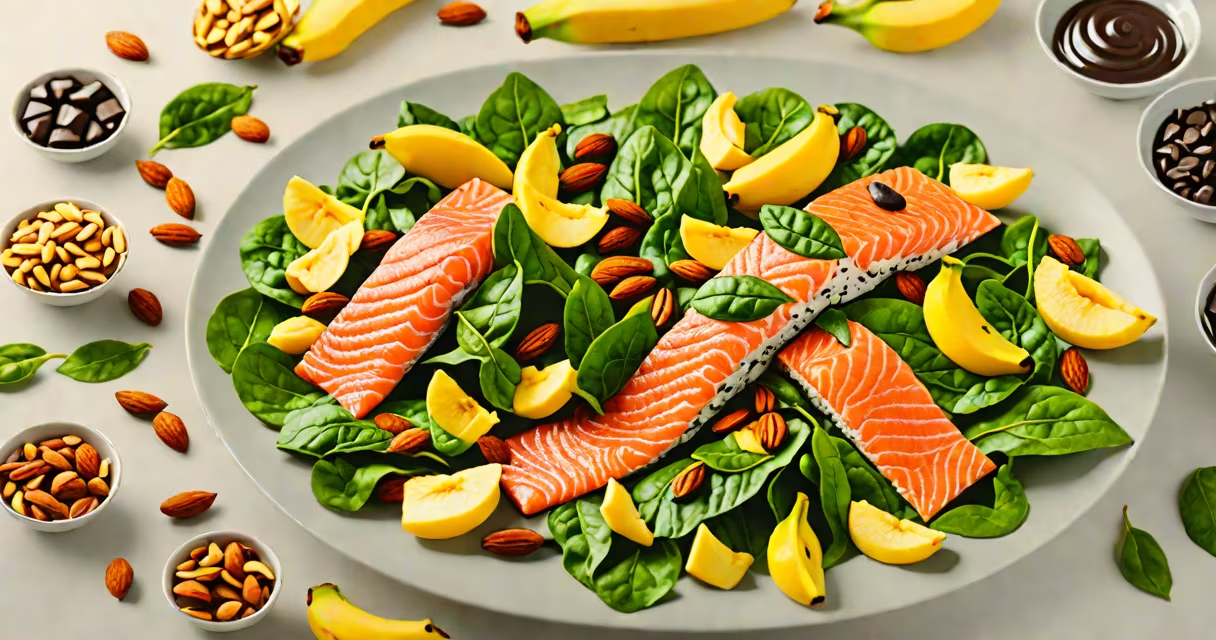
Foods that help your period are nutrient-dense options proven to reduce cramping, stabilize mood swings, and support hormone regulation during menstruation. These include iron-rich red meat, leafy greens, fatty fish high in omega-3s, and magnesium-rich nuts and seeds.
Menstrual discomfort stems from prostaglandins-hormone-like compounds that trigger uterine contractions. Diets high in processed fats and sugar increase prostaglandin production, worsening pain. Conversely, anti-inflammatory foods lower prostaglandin levels and ease symptoms. The National Institutes of Health notes that dietary patterns rich in fruits, vegetables, whole grains, and healthy fats correlate with reduced menstrual pain severity.
Key nutrients involved include iron, which prevents fatigue from blood loss; magnesium, which relaxes muscle tissue; and omega-3 fatty acids, which inhibit inflammatory pathways. A 2021 study published in BMJ Open found women who consumed more omega-3s reported 20% less cramping compared to those with low intake. Foods that help your period deliver these elements directly.
During menstruation, the uterus sheds its lining through contractions driven by prostaglandins. High levels of certain prostaglandins (like PGE2) cause intense pain. Omega-3 fatty acids from fatty fish and flaxseeds convert into less inflammatory prostaglandins, reducing contraction intensity. A 2018 randomized controlled trial showed women consuming 2 grams of omega-3 daily had lower pain scores after three cycles.
Magnesium deficiency is linked to increased muscle spasms. Magnesium acts as a natural calcium blocker, preventing excessive uterine tightening. A 2019 study in European Journal of Obstetrics & Gynecology found that 200 mg of oral magnesium daily reduced menstrual cramp severity by 40% over six months. Foods rich in magnesium-such as pumpkin seeds, spinach, and black beans-support muscle relaxation.
Iron loss during periods can lead to fatigue and low energy. Iron-rich foods like beef liver, lentils, and fortified cereals replenish stores. The American College of Obstetricians and Gynecologists recommends 18 mg of iron daily for menstruating individuals. Without adequate intake, iron deficiency anemia develops, worsening exhaustion during periods.
These foods fall into four functional categories based on their physiological impact:
| Nutrient Focus | Key Foods | Why It Helps |
|---|---|---|
| Omega-3 Fatty Acids | Sockeye salmon, chia seeds, walnuts | Reduce inflammation and lower pain-related prostaglandins |
| Magnesium | Pumpkin seeds, spinach, black beans | Relaxes uterine muscles and reduces spasms |
| Iron | Beef liver, lentils, fortified oatmeal | Replenishes blood loss and combats fatigue |
| Antioxidants & Fiber | Blueberries, sweet potatoes, broccoli | Support hormone metabolism and regulate digestion |
Some foods offer multiple benefits. For example, spinach provides iron, magnesium, and folate-all critical during menstruation. Sweet potatoes supply complex carbohydrates that stabilize blood sugar, reducing mood swings. Bananas deliver potassium, which counters bloating caused by sodium retention.
Many assume sugar or caffeine worsen cramps because they're "stimulants." While excess caffeine may disrupt sleep and increase anxiety, moderate coffee consumption doesn't directly intensify pain. A 2020 review in Journal of Women's Health found no significant link between moderate caffeine intake and increased menstrual pain, though individual sensitivity varies.
Another myth is that spicy food triggers heavier bleeding. There's no evidence that capsaicin increases flow. However, spicy foods may irritate the digestive tract in sensitive individuals, leading to bloating or diarrhea-symptoms often mistaken for period changes. Spices don't alter uterine contractions or blood volume.
A key correction: not all "natural" foods are beneficial. For example, excessive raw kale intake can interfere with thyroid function due to goitrogens, especially in people with iodine deficiency. Cooking kale reduces this risk. Similarly, while green tea contains antioxidants, its caffeine content may exacerbate nervousness in high doses.
Consider a sample day using foods that help your period:
This menu averages 15 mg of iron, 300 mg of magnesium, and 1.8 g of omega-3s-within recommended ranges for menstrual support. No supplements needed.
On my own cycle, I noticed a shift after replacing late-night ice cream with a warm cup of turmeric milk and a few dates. Within two weeks, my cramps decreased from a 7/10 to a 3/10. I didn't change anything else-just swapped one habit for a nutrient-dense alternative.
Healthcare providers recommend foods that help your period as part of a complete management strategy. The World Health Organization includes dietary guidance in its menstrual health structure, emphasizing access to nutritious foods for reproductive well-being. In low-resource settings, iron-fortified staples like wheat flour are used to combat anemia.
Even in high-income countries, dietary gaps persist. A 2022 CDC report found nearly 40% of menstruating adults consume less than the recommended daily iron. This gap contributes to fatigue and poor concentration during periods. Integrating iron-rich foods into regular meals closes this gap.
These foods aren't just for symptom relief-they support long-term reproductive health. Diets high in processed foods and low in micronutrients are linked to higher risks of endometriosis and polycystic ovary syndrome (PCOS). The Harvard T.H. Chan School of Public Health reports that women eating more whole grains, legumes, and fish have a 30% lower risk of developing PCOS.
People often mistake "period-friendly" foods for "cramp-reducing" ones. But not all foods that ease nausea or bloating qualify. For example, ginger tea helps with nausea but offers little direct impact on prostaglandin levels. Similarly, chamomile tea may calm nerves but lacks measurable effects on uterine contractions.
Another confusion: treating symptoms with sugar-heavy comfort foods. Chocolate is often seen as a remedy, but most commercial chocolate contains added sugar and saturated fat-both linked to increased inflammation. Dark chocolate (70% cocoa or higher) is better, but even then, moderation matters. A 2023 study in Frontiers in Nutrition found that high-sugar diets correlated with longer period duration and heavier flow.
Finally, some assume that "superfoods" like spirulina or maca root are essential. While they contain trace nutrients, no large-scale study confirms their effectiveness in reducing menstrual pain. They're not harmful-but they're not necessary either. Prioritize whole, unprocessed foods over supplements unless advised by a provider.