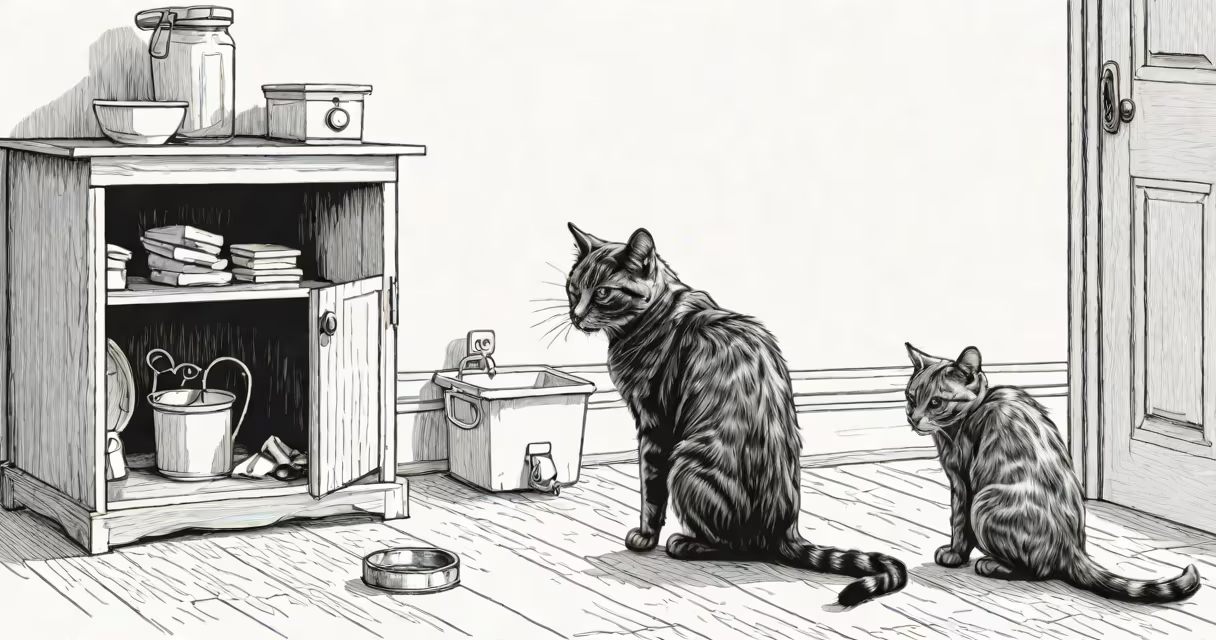
Cats may pee on household items due to medical conditions, behavioral stress, or instinctive marking. This behavior often signals a physical issue, environmental trigger, or unmet social need.
Urinating outside the litter box is not a form of punishment. It's a communication signal. The cat isn't trying to spite you-it's expressing discomfort, fear, or illness. Identifying the root cause requires separating medical factors from environmental ones.
According to the American Veterinary Medical Association (AVMA), inappropriate urination accounts for nearly 10% of all feline visits to veterinarians. The most common underlying causes include urinary tract infections, bladder stones, kidney disease, and stress-induced behaviors. Ignoring the issue risks worsening health or reinforcing unwanted habits.
Cats have evolved to mark territory using scent glands located around their face, paws, and base of the tail. When they urinate outside the litter box, especially on vertical surfaces like walls or doors, they're often engaging in scent-marking behavior. This is not about cleanliness-it's about ownership.
When a cat feels threatened or anxious-by a new pet, loud noises, changes in routine, or even a move to a new home-their stress levels rise. Elevated cortisol disrupts normal elimination patterns. A 2021 study published in Frontiers in Veterinary Science found that 68% of cats with inappropriate urination had elevated stress markers compared to controls.
Some cats develop a conditioned aversion to the litter box. If the box is dirty, too small, placed in a high-traffic area, or has a lid that blocks airflow, the cat may avoid it entirely. A single negative experience-like being startled while using it-can create lasting avoidance.
Not all inappropriate urination is the same. The pattern matters. Here's how to distinguish between types:
| Type | Behavior | Most Likely Cause |
|---|---|---|
| Marking | Small amounts on vertical surfaces, often near entry points | Stress, territorial instinct, sexual maturity |
| Incontinence | Large puddles on horizontal surfaces, often in corners | Arthritis, neurological issues, kidney failure |
| Medical Urinary Issue | Frequent trips to the box with little output, straining, blood in urine | UTI, bladder stones, feline interstitial cystitis (FIC) |
Marking typically occurs in male cats but can happen in females. It's often triggered by new people, pets, or changes in the home layout. A 2019 study in Journal of Feline Medicine and Surgery showed that 72% of marking incidents occurred within three weeks of a household change.
Medical issues require immediate vet attention. Blood in the urine, frequent attempts to urinate, or vocalizing during elimination are red flags. The AVMA warns that untreated feline lower urinary tract disease can lead to urethral obstruction-a life-threatening emergency.
Many owners assume their cat is "punishing" them by peeing on the bed or rug. That's false. Cats don't understand human concepts of guilt or revenge. They respond to stimuli, not moral judgment.
Blaming the cat's "bad personality" ignores biological reality. A cat that suddenly starts peeing outside the box isn't being defiant-it's communicating distress. Cleaning with ammonia-based products worsens the problem because the smell mimics cat urine and triggers further marking.
One key distinction: spraying vs. urinating. Spraying involves standing upright and flicking the tail while depositing small amounts of urine. This is scent-marking. Urinating on the floor is often a sign of pain or anxiety. Confusing the two leads to ineffective solutions.
I once cared for a 4-year-old female cat named Luna who began peeing on the living room carpet. Her owner cleaned with vinegar and baking soda, then tried placing the litter box in the hallway. Nothing helped.
A vet visit revealed microscopic blood in her urine and signs of inflammation. She had feline interstitial cystitis (FIC), a painful condition linked to stress. The owner hadn't noticed her hiding more, decreased appetite, or excessive grooming.
Treatment included a prescription diet, a pheromone diffuser (Feliway), and a litter box with low sides and no lid. Within six weeks, Luna stopped urinating outside the box. The key wasn't punishment-it was addressing the underlying cause.
First, rule out medical causes. Take your cat to the vet for a urinalysis and blood work. If results are normal, consider behavioral interventions.
Use a cleanable, unscented enzymatic cleaner on soiled areas. These break down odor-causing proteins. Avoid bleach or ammonia-they leave residues that attract the cat back to the site.
Provide multiple litter boxes-one per cat plus one extra-and place them in quiet, low-traffic zones. Use unscented, clumping litter. Clean daily. Monitor your cat's habits closely.
If stress is suspected, introduce pheromone diffusers. These mimic natural feline facial pheromones and reduce anxiety. A 2020 clinical trial showed a 55% reduction in marking behavior with consistent use.
For persistent cases, consult a certified animal behaviorist. Some cats benefit from anti-anxiety medication under veterinary supervision. Never treat without professional guidance.
Understanding why your cat keeps peeing on things begins with recognizing that this behavior is never random. It's a symptom. Addressing the root cause-whether medical, environmental, or emotional-leads to lasting resolution.