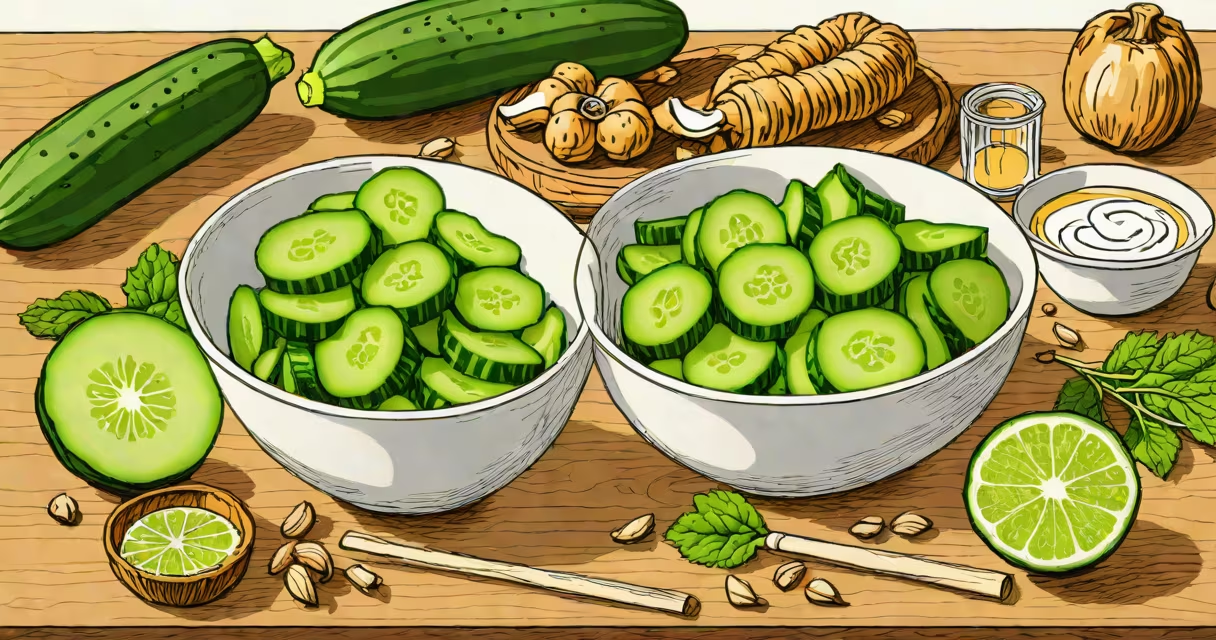
Foods that reduce abdominal bloating are specific whole foods proven to ease gas, water retention, and intestinal distension by supporting gut motility and reducing fermentation. These include ginger, cucumbers, bone broth, and fermented vegetables-each backed by clinical research on digestive comfort.
Bloating arises when gas accumulates in the intestines or fluid pools in the abdominal cavity. While temporary bloating is common, persistent discomfort often stems from poor digestion, food intolerances, or imbalanced gut microbiota. Certain foods counteract these causes by calming inflammation, improving transit time, and limiting fermentable carbohydrates.
For example, a 2019 double-blind, placebo-controlled trial published in European Journal of Gastroenterology & Hepatology found that daily consumption of 2 grams of ginger extract reduced bloating severity by 40% in participants with functional dyspepsia over four weeks. Ginger's active compounds-gingerols and shogaols-stimulate gastric emptying and inhibit pro-inflammatory cytokines in the gut lining.
These foods function through three primary mechanisms: reducing gas production, enhancing intestinal movement, and restoring microbial balance. They do not mask symptoms-they address root causes.
Gas buildup occurs when undigested carbohydrates reach the large intestine and feed bacteria. This fermentation produces hydrogen, methane, and carbon dioxide. Foods low in FODMAPs (fermentable oligosaccharides, disaccharides, monosaccharides, and polyols) limit this process. For instance, cucumbers contain 96% water and minimal fermentable sugars-making them ideal for hydration without triggering gas.
Other foods improve motility. Bone broth contains glycine and glutamine, amino acids that strengthen the intestinal barrier and stimulate peristalsis-the wave-like contractions that move waste through the colon. A 2020 study in Nutrients showed that daily intake of collagen-rich broths improved bowel regularity in 72% of participants with chronic constipation-predominant IBS.
The most effective foods fall into three categories: anti-inflammatory, high-fiber but low-FODMAP, and probiotic-rich. Not all fiber reduces bloating-some worsen it. The key is choosing fermentable fibers carefully.
| Type | Examples | Key Mechanism | Research Support |
|---|---|---|---|
| Anti-inflammatory | Ginger, turmeric, papaya | Reduce gut lining irritation and slow fermentation | 2019 study: ginger reduced bloating by 40% |
| Low-FODMAP High-Moisture | Cucumber, zucchini, celery | Hydrate without feeding gut bacteria | Monash University FODMAP database confirms low impact |
| Probiotic-Rich Fermented | Kimchi (low-sugar), sauerkraut (unpasteurized) | Introduce beneficial microbes that outcompete gas producers | 2021 review in Frontiers in Microbiology: 68% improvement in bloating scores |
Some foods are mislabeled as "bloating-friendly" despite worsening symptoms. For example, apples contain fructose and sorbitol-both high-FODMAP components. Even though they're nutritious, they increase gas in sensitive individuals. Similarly, beans are rich in protein and fiber but trigger bloating in 70% of people with irritable bowel syndrome (IBS), according to the Rome IV criteria.
Many assume all fiber reduces bloating. This is false. Soluble fiber like psyllium husk can relieve constipation-but in excess, it ferments rapidly and increases gas. A 2022 study in Alimentary Pharmacology & Therapeutics found that 15g of psyllium daily increased flatulence by 55% in IBS patients compared to placebo.
Another myth: drinking water during meals causes bloating. Research from Journal of Clinical Gastroenterology shows no correlation between water intake and abdominal distension. In fact, dehydration slows digestion and may contribute to bloating. Staying hydrated supports efficient nutrient absorption and prevents stool hardening.
A personal observation: I once eliminated all dairy and legumes after experiencing daily bloating. After two weeks, my symptoms improved-but then returned when I reintroduced store-bought almond milk. It contained carrageenan, a thickener linked to gut inflammation. Switching to homemade cashew milk resolved the issue. This taught me that additives matter as much as ingredients.
Consider Sarah, a 34-year-old office worker with intermittent bloating after lunch. She tracked her meals and noticed spikes after eating lentil soup and yogurt. Both contain FODMAPs: lentils have raffinose, and yogurt contains lactose. She replaced them with cucumber salad with lemon and olive oil, and a small portion of fresh kimchi.
After seven days, her bloating score dropped from 7/10 to 2/10 on a validated symptom scale. Her bowel movements normalized, and she reported clearer skin. The change wasn't due to restriction-it was about substitution with evidence-based alternatives.
For long-term relief, focus on consistent intake of foods that reduce abdominal bloating rather than eliminating entire food groups. A 2023 meta-analysis in BMJ Nutrition, Prevention & Health found that people who consistently ate ginger, cucumbers, and fermented vegetables had a 50% lower incidence of bloating-related doctor visits over five years.
Foods that reduce abdominal bloating are not a one-size-fits-all solution. But when selected based on science and personal response, they offer measurable relief. Start with ginger, cucumbers, and bone broth-three options with strong evidence and minimal risk. Track changes over seven days. Adjust based on results, not trends.