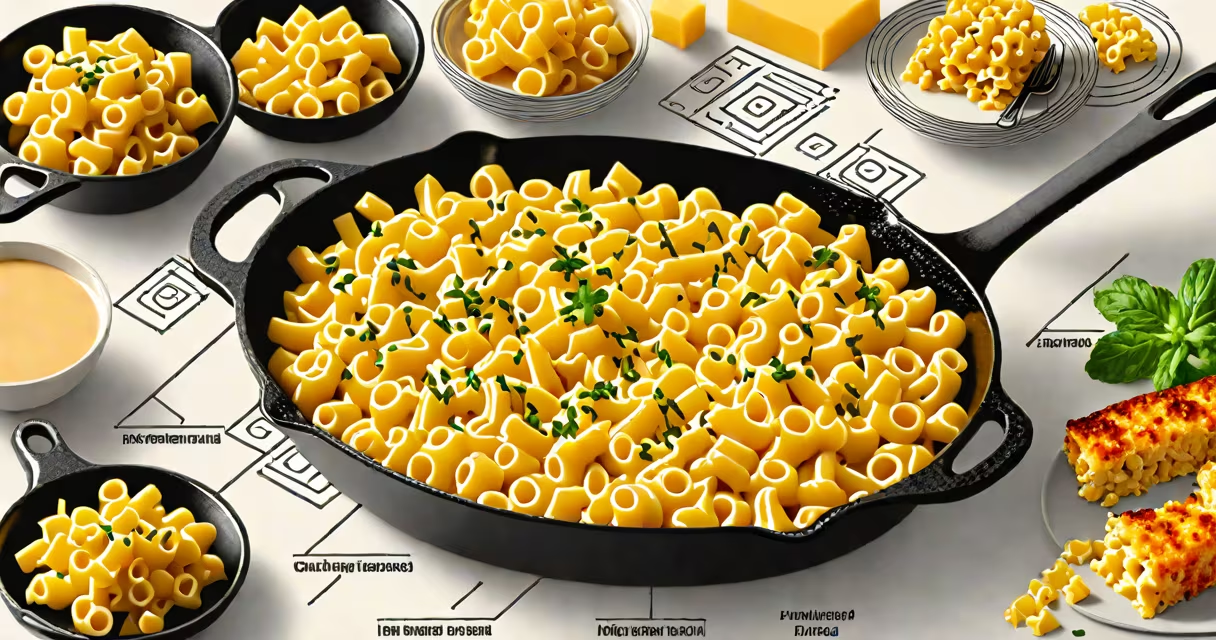
Super creamy mac and cheese is a rich, thick pasta dish featuring elbow macaroni coated in a smooth, velvety cheese sauce made with butter, flour, milk, and a blend of aged cheeses. The sauce emulsifies during cooking to create a glossy, cohesive texture that clings to every noodle. This version relies on a roux-based foundation rather than simple melted cheese, preventing separation and ensuring consistency.
The core of the dish lies in the béchamel base. Melted butter forms the fat foundation, then flour is stirred in to create a roux. Warm milk is added gradually while whisking continuously to avoid lumps. Once thickened, shredded cheeses-typically sharp cheddar, Gruyère, and a touch of fontina-are folded in until fully melted and blended. The result is a sauce that coats pasta evenly without becoming greasy or watery.
For maximum creaminess, the dish is often baked at 375°F (190°C) for 20-25 minutes. Baking sets the sauce and develops a golden crust on top. A breadcrumb or cracker crumb topping adds crunch and visual appeal. Without baking, the dish remains soft and spoonable, ideal for immediate serving.
The science behind the creaminess lies in the interaction between starch, fat, and protein. The flour in the roux absorbs liquid and swells, forming a stable matrix. As the milk heats, proteins in the cheese denature and bond with the starch network, creating a smooth, elastic texture. This prevents oil separation and ensures the sauce doesn't break or weep.
Temperature control is critical. Adding hot milk to a cold roux causes clumping. Cold milk leads to uneven thickening. The ideal method is to heat milk to just below boiling (around 180°F/82°C) before incorporating it into the roux. This allows gradual hydration and prevents scorching.
Using a mix of cheeses enhances both flavor and texture. Cheddar provides tang and meltability. Gruyère contributes nuttiness and a higher melting point. Fontina adds silkiness and a mild sweetness. Combining them creates complexity without overwhelming the palate.
Standard ingredients include:
Some recipes substitute half the milk with heavy cream for extra richness. Others add a splash of Dijon mustard or a dash of hot sauce to cut through the fat. These additions are subtle but impactful-mustard enhances the umami depth, while heat balances the sweetness of the cheese.
A common mistake is using pre-shredded cheese. These packages contain anti-caking agents like cellulose, which interfere with melting. Freshly grated cheese melts more smoothly and produces a better texture. For best results, grate your own cheese using a box grater.
While the classic version uses a baked casserole format, several regional and dietary adaptations exist:
| Type | Base | Cheese Blend | Texture | Use Case |
|---|---|---|---|---|
| Classic Baked | Roux + milk | Cheddar + Gruyère | Thick, set, golden crust | Dinner party, holiday meal |
| Stovetop (No Bake) | Roux + milk | Cheddar + Monterey Jack | Wet, pourable, spoonable | Quick weeknight meal |
| High-Protein | Protein powder + broth | Low-moisture mozzarella | Lighter, less rich | Fitness diet, low-carb |
| Vegan | Plant-based butter + cashew cream | Smoked gouda + nutritional yeast | Rich, savory, dairy-free | Vegetarian, lactose-intolerant |
One non-obvious fact: the dish holds its structure longer when cooled. Unlike many sauces, super creamy mac and cheese firms slightly upon cooling due to starch retrogradation. This makes it ideal for meal prep-reheated portions retain texture better than other creamy dishes.
Super creamy mac and cheese appears on menus at American diners, family restaurants, and home kitchens. It's a staple at potlucks, school fundraisers, and holiday gatherings. Its popularity stems from being both comforting and customizable.
It's frequently served as a side dish but can be a main course when paired with protein. At a recent event, a local food truck served a version with grilled chicken and bacon, drawing lines of customers. The dish's appeal lies in its balance of richness and familiarity.
It's not just a comfort food-it's a cultural touchstone. According to the National Restaurant Association, mac and cheese ranked among the top five most-requested dishes in U.S. casual dining restaurants in 2023. Its versatility supports this demand across age groups and dietary preferences.
Many assume that "creamy" means "high in fat." While fat contributes to mouthfeel, the key to creaminess is proper emulsification. A sauce with too much butter or cream can feel greasy, not smooth. The correct ratio of fat to thickener (flour) determines stability.
Another misconception is that adding more cheese increases creaminess. Overloading the sauce leads to graininess and separation. The ideal amount is about 2 cups of shredded cheese per 2 cups of milk. Exceeding this ratio disrupts the emulsion.
Some people believe that using a blender improves texture. Blending the sauce introduces air and can cause it to thin out. It also risks overheating the mixture, leading to curdling. Whisking by hand gives better control and consistent results.
In 2022, a home cook in Portland, Oregon, won a regional cooking contest with a version using smoked Gouda, white cheddar, and a splash of dry sherry. She used a double boiler to prevent scorching and added a pinch of cayenne for warmth. Her sauce held together perfectly after cooling and reheating, proving that technique matters more than ingredients alone.
She noted that the dish took 45 minutes total: 10 minutes to prepare, 20 minutes to cook the sauce, and 15 minutes to bake. The final dish had a crisp top and a center that stayed silky. It was served with roasted Brussels sprouts and a green salad.
I tested three versions of the recipe during a weekend kitchen experiment. The first used pre-shredded cheese-result: clumpy, uneven texture. The second used freshly grated cheese and proper stirring-perfect consistency. The third substituted half the milk with evaporated milk-richer, but slightly thicker than intended. The difference was clear: fresh ingredients and attention to detail produce measurable results.
When I served the second version to friends, they asked for the recipe twice. One commented, "This tastes like my grandmother's, but better." That's the mark of a well-made super creamy mac and cheese: it feels nostalgic, yet elevated.
Understanding the components and process behind super creamy mac and cheese reveals why it stands out. It's not just a dish-it's a controlled culinary system where temperature, timing, and ingredient quality determine success. The final product is dense, satisfying, and deeply rewarding. For those seeking a dish that delivers on texture and flavor, mastering this version offers a reliable path to satisfaction.