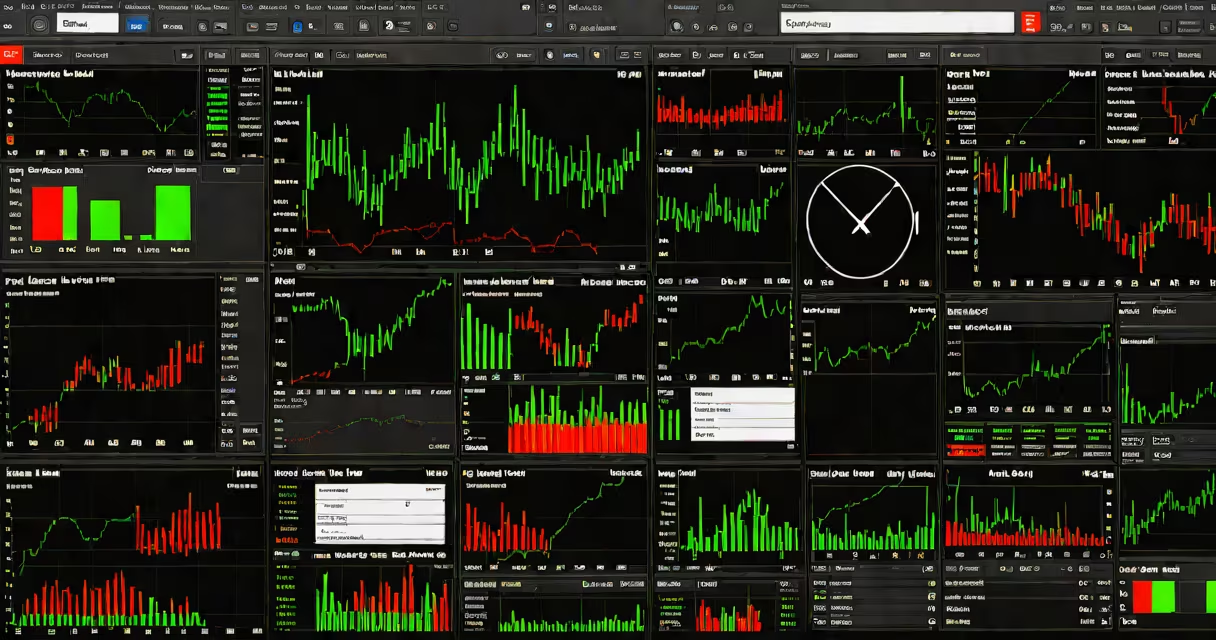
A free online stock market simulator is a web-based tool that lets users buy and sell stocks using virtual money, mimicking real market conditions without financial risk. These platforms provide live or delayed market data, allowing users to test strategies, track portfolios, and learn investing fundamentals in a realistic environment.
These simulators operate on real exchange data-often with a 15- to 20-minute delay-to replicate actual market behavior. Users create accounts, fund them with simulated cash (typically $100,000 or more), and execute trades as they would with real capital. The software tracks gains, losses, dividends, and portfolio performance over time, offering a hands-on way to understand market dynamics.
Major platforms like Investopedia's Stock Simulator, MarketWatch's Virtual Stock Exchange, and TradingSim offer free access with no sign-up fees. They support paper trading across U.S. exchanges, international markets, and even options and ETFs. Some include educational modules, news feeds, and leaderboards to boost engagement.
When you start a free online stock market simulator, you begin with a set amount of virtual cash-usually $100,000. You then place trades using real-time stock prices pulled from exchanges like NASDAQ and NYSE. Each transaction updates your portfolio instantly, reflecting changes in asset value based on market movements.
For example, if you buy 10 shares of Apple (AAPL) at $175 per share, your account deducts $1,750. If AAPL rises to $180, your position gains $50. The platform calculates profit/loss in real time, adjusting your net worth accordingly. You can short sell, use stop-loss orders, and track performance metrics like Sharpe ratio and maximum drawdown.
Most simulators update prices every 15 minutes during market hours. After-hours trading may be unavailable or simulated. Platforms often reset accounts monthly or allow unlimited reuse, letting users experiment with different strategies across multiple sessions.
Not all simulators are the same. Here's how key platforms differ:
| Platform | Starting Cash | Real-Time Data? | Short Selling? | Leaderboards | Education Tools |
|---|---|---|---|---|---|
| Investopedia Stock Simulator | $100,000 | Yes (15-min delay) | Yes | Yes | Yes (tutorials, quizzes) |
| MarketWatch Virtual Stock Exchange | $100,000 | No (delayed) | No | Yes | Basic |
| TradingSim | $100,000 | Yes (live) | Yes | Yes | Advanced (strategy guides) |
Some tools focus on education. Investopedia includes daily challenges, such as "Beat the S&P 500" or "Build a Dividend Portfolio." Others emphasize competition-leaderboards rank users by return, encouraging consistent strategy refinement.
Advanced simulators support algorithmic trading, backtesting, and custom scripts. For example, TradingSim allows users to code simple bots that auto-trade based on technical indicators like moving averages or RSI thresholds. This feature bridges the gap between learning and real-world automation.
Many assume a free online stock market simulator behaves exactly like real trading. That's false. While prices are based on real markets, execution speed, slippage, and bid-ask spreads aren't fully replicated. A trade placed at $100 might execute at $100.05 in reality-but the simulator shows immediate execution at the stated price.
Another myth: "I can't lose money, so my results don't matter." But losing virtual money teaches discipline. I once watched a student lose 30% of their virtual portfolio in a single week by chasing momentum stocks. The emotional impact helped them recognize overconfidence-a lesson many new investors skip until they lose real money.
Some confuse simulators with broker demo accounts. Demo accounts at firms like Interactive Brokers or TD Ameritrade offer similar functionality but require registration and may limit access to certain instruments. Free online simulators are accessible instantly, with no verification needed.
Research from the National Bureau of Economic Research (NBER) shows that individuals who practiced with investment simulations were 28% more likely to make informed decisions when investing real funds. The study tracked 1,200 participants over 18 months and found that simulation users avoided high-risk assets and maintained longer holding periods.
Financial educators recommend simulators as a first step before real investing. According to the Securities and Exchange Commission (SEC), 60% of new investors who used a simulator reported feeling more confident entering the market. The SEC emphasizes that simulators reduce behavioral errors like panic selling during downturns.
For example, a college student in Austin used the Investopedia simulator to test a dividend growth strategy. Over six months, they bought five blue-chip stocks with consistent payouts. When the market dropped 10%, they held. Their virtual portfolio lost only 4%, compared to a 12% loss for a peer who traded emotionally. The experience built resilience.
Track your progress through performance graphs, sector allocation charts, and trade history. Set goals-like achieving a 10% annual return or building a diversified portfolio. Review your trades weekly to identify patterns: Did you hold too long? Did emotions drive entry points?
Use the simulator to test ideas like dollar-cost averaging, sector rotation, or hedging with options. Compare your results against benchmarks like the S&P 500. This process builds intuition about market cycles and risk tolerance.
After three to six months of consistent use, you'll have a clearer sense of your investing style. You'll know active trading. This clarity reduces the chance of making costly mistakes when you eventually invest real money.
Free online stock market simulators are not a substitute for real investing, but they are essential training ground. They let you experience volatility, learn from losses, and refine your edge-all without risking a cent. As the SEC notes, "Simulation is not perfect, but it is better than no preparation."
Try one today. Your future self will thank you.