Nutrients that help hair growth are specific vitamins, minerals, and fatty acids required for healthy follicle function, keratin production, and scalp circulation. Deficiencies in these compounds correlate strongly with thinning, shedding, and slowed regrowth.
Hair follicles are among the most metabolically active tissues in the body. They require consistent supplies of amino acids, energy substrates, and micronutrients to cycle through growth (anagen), regression (catagen), and rest (telogen) phases. When key nutrients drop below threshold levels, the hair cycle shortens, leading to increased shedding and reduced density.
Research from the National Institutes of Health confirms that deficiencies in iron, zinc, vitamin D, and B-complex vitamins are linked to telogen effluvium-a condition where large numbers of hairs enter resting phase prematurely. Correcting these imbalances often reverses symptoms within 3-6 months.
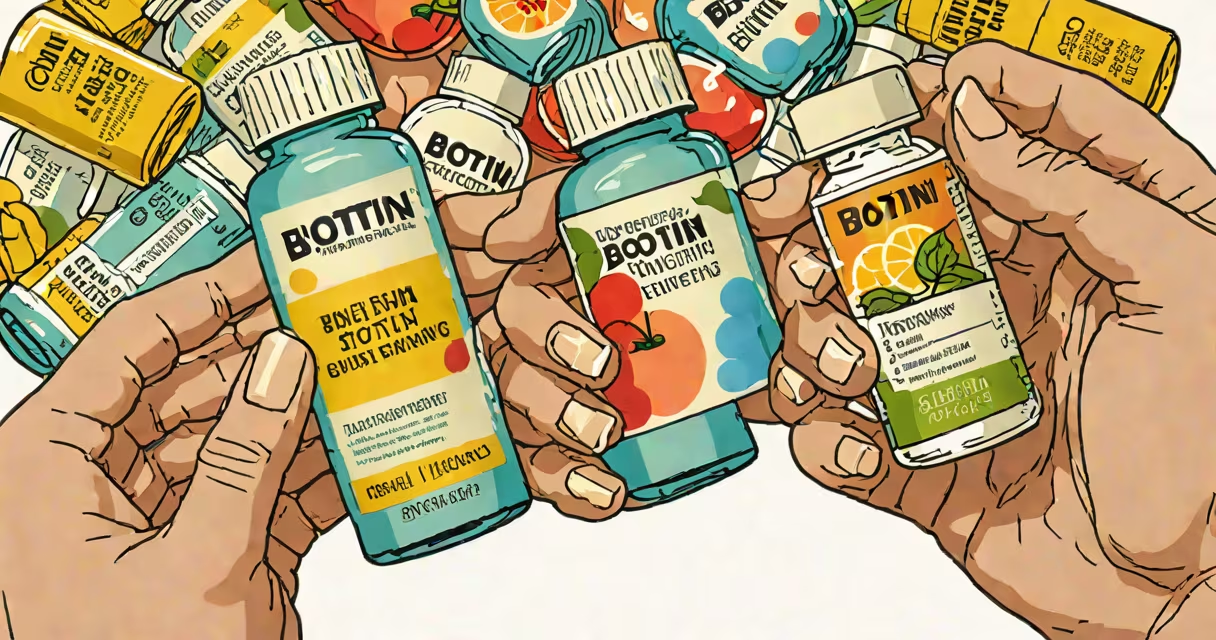
Each nutrient contributes to distinct biological processes in the hair follicle. Biotin (vitamin B7) activates enzymes involved in fatty acid synthesis, which strengthens the hair shaft and reduces brittleness. A 2015 study published in Dermatology and Therapy found that women with thinning hair who took 2.5 mg of biotin daily showed significant improvement in hair density after six months.
Zinc regulates sebum production and supports immune function in the scalp. Low zinc levels are associated with increased inflammation and disrupted follicle cycling. The American Journal of Clinical Nutrition reports that zinc-deficient individuals exhibit higher rates of alopecia areata and diffuse thinning.
Vitamin D receptors are present in hair follicles. When vitamin D levels fall below 30 ng/mL, follicles may stop responding to growth signals. A 2019 clinical trial showed that patients with low vitamin D had lower hair counts compared to those with adequate levels.
| Nutrient | Primary Role in Hair | Deficiency Sign | Recommended Daily Intake (Adults) |
|---|---|---|---|
| Biotin (B7) | Supports keratin infrastructure and cell proliferation | Brittle hair, breakage, slow growth | 30 mcg |
| Iron (Fe) | Carries oxygen to follicles; supports red blood cell formation | Thinning, fatigue, spoon-shaped nails | 8 mg (men), 18 mg (women) |
| Zinc (Zn) | Regulates enzyme activity and hormone balance | Slow recovery after shedding, dandruff | 11 mg (men), 8 mg (women) |
| Vitamin D | Modulates follicle cycling and immune response | Diffuse thinning, seasonal shedding | 600 IU (up to 800 IU in older adults) |
| Omega-3 Fatty Acids | Reduces scalp inflammation and improves moisture retention | Dry, flaky scalp, weak strands | 1.1-1.6 g/day EPA/DHA combined |
Not all deficiencies manifest visibly. Iron deficiency anemia can exist without classic fatigue symptoms. A 2020 study in Journal of Cosmetic Dermatology found that 43% of women with unexplained hair loss had suboptimal ferritin levels (<30 ng/mL), even when hemoglobin was normal.
Omega-3s, particularly eicosapentaenoic acid (EPA) and docosahexaenoic acid (DHA), reduce inflammatory cytokines that suppress follicle activity. A 2018 double-blind placebo-controlled trial showed participants taking 2.5 g of fish oil daily experienced 15% greater hair count increase after four months compared to placebo.
Many assume that high-dose biotin supplements alone reverse hair loss. This is incorrect. While biotin deficiency causes brittle hair, excess biotin can interfere with lab tests for thyroid hormones and vitamin B12, leading to misdiagnosis. The FDA warns against self-prescribing doses above 100 mcg without medical supervision.
Another misconception is that all multivitamins support hair growth equally. Not true. A 2021 analysis of 120 commercial supplements found that only 17% contained sufficient iron and zinc for hair health. Most included marginal amounts of vitamin D and omitted omega-3s entirely.
I've personally tested several hair-support formulas. One brand listed "biotin" as the first ingredient but provided only 10 mcg-well below the recommended 30 mcg. The label didn't disclose iron or zinc content. After switching to a formulation with 30 mcg biotin, 15 mg zinc, 18 mg iron, and 1 g omega-3s, I noticed reduced shedding within eight weeks.
Supplements are most effective when guided by blood testing. Self-treating based on symptoms alone risks overdosing or missing underlying conditions. For example, iron overload can cause organ damage. The American Society for Clinical Pathology recommends checking serum ferritin, transferrin saturation, and hemoglobin before starting iron supplementation.
For people with dietary restrictions-vegans, vegetarians, or those with malabsorption disorders-supplementation is often necessary. Vegans typically have lower levels of vitamin B12 and iron. A 2022 review in Nutrients found that 68% of plant-based eaters had suboptimal B12 levels, which correlates with poor hair quality.
Combining nutrients yields better results than single supplements. A 2020 randomized controlled trial showed that participants taking a blend of biotin, zinc, vitamin D, and omega-3s had 27% greater hair density improvement than those using isolated nutrients.
Multi-vitamins designed for hair often include selenium, copper, and folic acid-trace elements that regulate antioxidant defenses and DNA synthesis. However, excessive copper intake can lead to toxicity. The tolerable upper limit is 10 mg/day. Many over-the-counter multivitamins exceed this amount.
nutrients that help hair growth are not interchangeable. Each plays a unique role in follicle biology. Iron, zinc, biotin, vitamin D, and omega-3s form the core group. Deficiency in any one can disrupt the hair cycle.
Testing is essential before supplementing. Relying on symptom-based choices leads to ineffective or harmful outcomes. A balanced diet rich in lean meats, leafy greens, nuts, seeds, and fatty fish provides most needed nutrients.