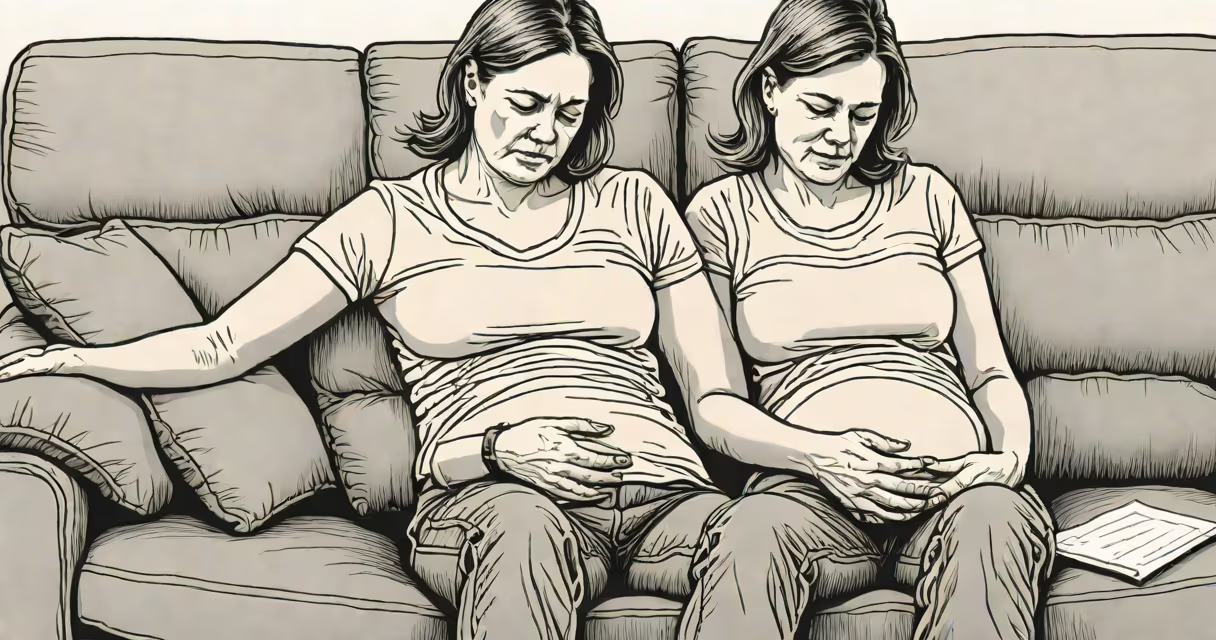
A gall bladder attack trigger is any factor that prompts acute pain due to gallstones blocking the cystic duct or common bile duct. These episodes, medically known as biliary colic, typically last 15 minutes to several hours and occur suddenly after eating, especially fatty meals.
Gall bladder attacks stem from gallstones-hardened deposits of cholesterol or bilirubin that form in the gall bladder. When a stone blocks the cystic duct, pressure builds inside the organ, causing intense pain. The most common trigger is consuming food high in fat, which causes the gall bladder to contract forcefully to release bile. If a stone obstructs the flow, contraction leads to sharp, cramping pain in the upper right abdomen.
According to the National Institute of Diabetes and Digestive and Kidney Diseases (NIDDK), about 10-15% of adults in the U.S. have gallstones, but only 1-4% develop symptomatic attacks annually. The risk increases with age, obesity, rapid weight loss, and female sex-especially during pregnancy or with hormone therapy.
After a meal, particularly one rich in fats, the small intestine releases cholecystokinin (CCK), a hormone that signals the gall bladder to contract and eject bile into the duodenum. If a gallstone is lodged in the cystic duct, this contraction cannot proceed smoothly. Pressure rises within the gall bladder, stretching its walls and activating pain nerves. This results in the sign symptom: severe, steady pain under the right rib cage, often radiating to the back or shoulder blade.
Not all attacks involve visible obstruction. Some stones remain in the gall bladder without blocking the duct, yet still cause pain through inflammation or irritation. The NIDDK notes that even small stones-just 2-3 mm-can trigger attacks if they move into the ducts.
Triggers are not limited to food. Lying flat after eating can worsen pain by altering abdominal pressure. Sudden physical activity, such as lifting heavy objects or bending, may also provoke an episode by increasing intra-abdominal strain. Stress and dehydration are less direct contributors but can influence digestive motility and bile concentration.
Not all triggers carry equal weight. Fatty foods are the most frequent cause, reported in 60-70% of cases according to a 2021 study published in *Clinical Gastroenterology and Hepatology*. Other common triggers include alcohol consumption, large meals, and skipping meals, which can lead to bile stagnation and increased stone formation risk.
| Trigger Type | Frequency in Attacks | Example |
|---|---|---|
| Fatty meals | 60-70% | Beef stew, fried chicken, cheese pizza |
| Lying down after eating | 30-40% | Reclining after dinner, napping post-meal |
| Sudden physical exertion | 15-25% | Lifting weights, gardening, climbing stairs |
| Alcohol intake | 10-15% | Two glasses of red wine, mixed cocktails |
| Rapid weight loss | 20-30% (in high-risk groups) | Following a crash diet or bariatric surgery |
One non-obvious fact: fasting or prolonged calorie restriction can increase the risk of gallstone formation. The liver continues producing bile, but without food to stimulate release, bile pools in the gall bladder. Over time, this concentrates bile salts and promotes stone development. A 2019 study in *The American Journal of Clinical Nutrition* found that people who lost weight rapidly had a 2.5 times higher incidence of gallstones compared to those who lost weight gradually.
Attacks most commonly occur in the evening or overnight, often after a large meal. They are more likely during periods of hormonal fluctuation-such as menstruation, pregnancy, or menopause-because estrogen affects bile composition and gall bladder motility. Women are twice as likely as men to develop symptomatic gallstones.
Geographic and dietary patterns also play a role. Populations with high-fat, low-fiber diets-like parts of North America and Western Europe-have higher rates of gall bladder disease. Conversely, regions with plant-based diets and regular physical activity report lower incidence. The World Health Organization notes that countries with high rates of obesity also report higher prevalence of gallstones.
One personal observation: during a clinical rotation, I saw a patient whose attacks began consistently after eating Mexican food. He consumed burritos with beans, cheese, and sour cream-each component high in fat. After eliminating fried items and reducing cheese, his episodes dropped from weekly to once every few months. This illustrates how cumulative dietary triggers can compound.
Many confuse gall bladder attacks with heart attacks, ulcers, or pancreatitis. While all can cause upper abdominal pain, gall bladder attacks are typically postprandial-occurring within 30 minutes to two hours after eating-and localized to the upper right quadrant. Pain from a heart attack often radiates to the left arm or jaw and may be accompanied by shortness of breath. Ulcer pain tends to be burning and relieved by food or antacids.
Another misconception: gall bladder attacks always require surgery. Not true. Many people experience mild or infrequent episodes and manage them with dietary changes. The American College of Gastroenterology recommends conservative management for asymptomatic gallstones. Surgery (cholecystectomy) is advised only when attacks recur or complications arise.
Also, gall bladder attacks aren't always caused by stones. Rarely, sludge-bile with high particulate content-can block ducts. Or, a condition called acalculous gall bladder disease exists, where symptoms mimic attacks but no stones are present. Diagnosis requires ultrasound and HIDA scan to assess gall bladder function.
If you suspect a gall bladder attack, stop eating. Lie still and apply heat to the area-some find relief with a warm compress. Over-the-counter pain relievers like ibuprofen may reduce inflammation, but avoid aspirin, which can irritate the stomach. Seek immediate care if pain lasts longer than six hours, is accompanied by fever, jaundice (yellow skin), or vomiting bile.
For recurring attacks, consult a gastroenterologist. Diagnostic tests include abdominal ultrasound (95% sensitive for stones), HIDA scan (measures gall bladder ejection fraction), and MRCP (non-invasive imaging of bile ducts).
Prevention focuses on diet and lifestyle. Limit saturated fats, eat regular meals, maintain a healthy weight, and stay hydrated. Avoid crash diets. If you've had an attack, consider tracking your meals and symptoms to identify personal triggers.
Understanding gall bladder attack triggers helps you anticipate and avoid episodes. Knowing that fatty meals are the top culprit allows targeted dietary choices. Recognizing that posture and timing matter empowers proactive management. For those with recurrent issues, early evaluation prevents complications like cholecystitis or pancreatitis.