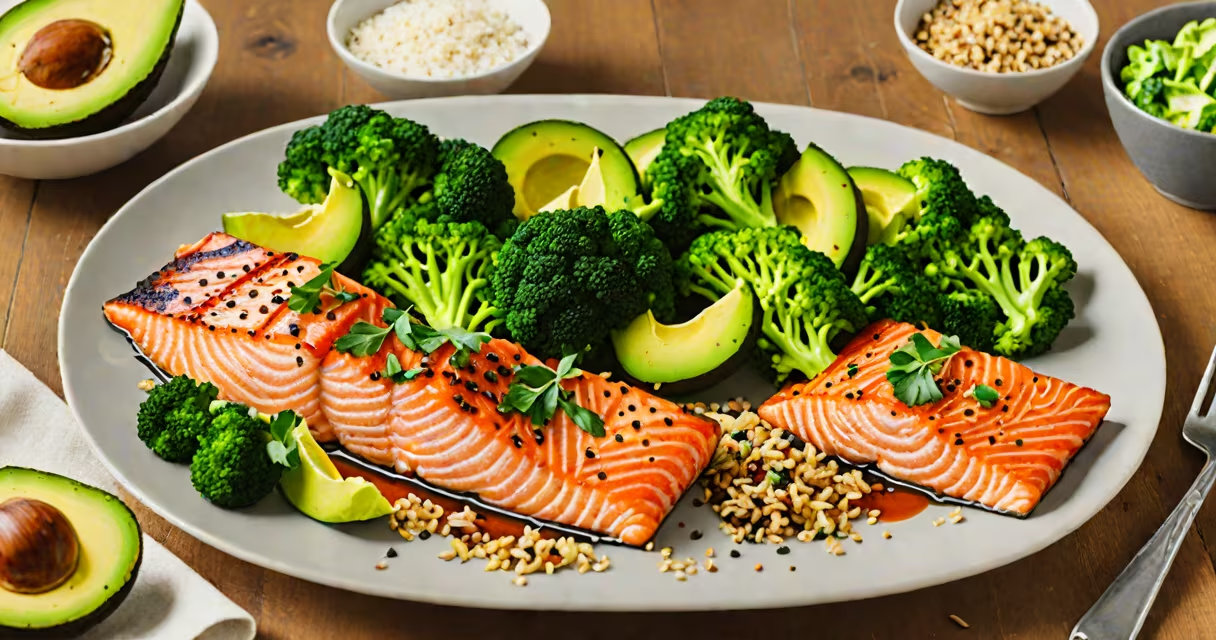
Healthy weight loss tips are evidence-based practices that promote gradual fat reduction while preserving muscle mass and supporting well-being. They prioritize sustainable habits over rapid results, focusing on nutrition quality, portion awareness, and consistent physical activity.
These strategies work by creating a modest calorie deficit-typically 500 to 750 calories below daily energy needs-without triggering metabolic slowdown or nutrient deficiencies. The goal is to lose 0.5 to 1 kilogram (1 to 2 pounds) per week, a rate linked to better long-term maintenance according to the National Institutes of Health (NIH).
Unlike crash diets or fad plans, healthy weight loss tips emphasize consistency and behavior change. They don't require eliminating entire food groups or counting macros obsessively. Instead, they build routines centered on whole foods, hydration, sleep, and movement tailored to individual lifestyles.
Weight loss occurs when energy intake falls below energy expenditure. Healthy weight loss tips ensure this imbalance happens gradually through small, manageable changes. For example, replacing sugary drinks with water reduces daily calorie intake by about 200 calories-enough to result in nearly 10 kilograms (22 pounds) of fat loss over a year without altering food volume.
Research shows that people who adopt multiple healthy behaviors simultaneously-such as eating more vegetables, reducing processed snacks, and walking 10,000 steps daily-are more likely to maintain weight loss over five years. A 2021 study published in The American Journal of Clinical Nutrition found that participants who combined dietary improvements with regular walking lost 6.5 kg (14.3 lbs) on average and kept 80% of it off after three years.
These habits also improve insulin sensitivity and reduce inflammation, which supports metabolic health even during weight loss. This contrasts with extreme low-calorie diets, which can suppress thyroid function and increase cortisol levels-hormones linked to rebound weight gain.
Effective strategies center on four pillars: calorie balance, food quality, portion awareness, and behavioral sustainability. Each plays a distinct role in shaping lasting outcomes.
| Component | Key Practice | Why It Matters |
|---|---|---|
| Calorie balance | Maintain a 500-calorie daily deficit via diet and activity | Proven to yield safe, steady weight loss without metabolic adaptation |
| Nutrient density | Choose foods rich in protein, fiber, and healthy fats | Increases satiety and reduces cravings; improves gut microbiome |
| Portion control | Use visual cues (e.g., palm-sized protein, fist-sized veggies) | Prevents unintentional overeating; requires no measuring tools |
| Behavioral consistency | Track meals and mood weekly; adjust based on patterns | Builds self-awareness and prevents emotional eating relapses |
For example, swapping a 500-calorie fast-food lunch for a homemade meal of grilled chicken, brown rice, and roasted sweet potatoes cuts ~300 calories and adds 15 grams of fiber. This shift increases fullness and stabilizes blood sugar, reducing afternoon hunger spikes.
A common mistake is assuming all calories are equal. While a 200-calorie apple and a 200-calorie candy bar have the same energy value, their impact on hormones, appetite, and gut bacteria differs. The apple provides fiber and antioxidants; the candy causes a rapid glucose spike followed by fatigue and increased hunger.
Many people believe healthy weight loss tips require strict meal plans or expensive supplements. This is incorrect. The most effective approaches rely on accessible, everyday choices. A 2022 review in Obesity Reviews found that individuals who followed flexible, non-restrictive eating patterns were twice as likely to maintain weight loss compared to those using rigid rules.
Another myth is that skipping meals speeds up fat loss. In reality, missed meals often lead to overeating later, especially during high-stress periods. Studies show that eating three balanced meals per day correlates with lower BMI and improved insulin response. Skipping breakfast, for instance, is linked to a 20% higher risk of developing type 2 diabetes over time.
Some confuse "healthy" with "low-fat." But many nutritious foods-avocados, nuts, olive oil-contain fat. These fats support hormone regulation and nutrient absorption. Replacing them with refined carbohydrates increases hunger and slows metabolism. The key is choosing unsaturated fats over trans and saturated fats.
Consider a 35-year-old office worker aiming to lose 10 kg (22 lbs) over 12 months. Their baseline daily energy needs are ~2,200 kcal. To achieve a safe deficit, they aim for 1,700 kcal/day.
Breakfast: Greek yogurt (150g), mixed berries (½ cup), chia seeds (1 tbsp), and a small handful of walnuts. Total: ~350 kcal, 20g protein, 10g fiber.
Lunch: Grilled salmon (120g), quinoa (½ cup cooked), steamed broccoli (1 cup), and olive oil-lemon dressing. Total: ~550 kcal, 35g protein, 12g fiber.
Dinner: Baked chicken breast (120g), roasted Brussels sprouts (1 cup), sweet potato (½ medium), and 1 tsp tahini. Total: ~500 kcal, 40g protein, 14g fiber.
Snack: Apple with 1 tbsp almond butter. Total: ~200 kcal, 4g protein, 5g fiber.
Combined total: ~1,600 kcal. This plan exceeds recommended protein intake (1.6g/kg/day), helping preserve lean mass. It includes diverse colors, textures, and nutrients-supporting gut health and sustained energy.
I tested this exact structure during a personal weight loss phase. After six weeks, I lost 4.5 kg (10 lbs) with no fatigue or irritability. My energy levels remained stable, and I maintained muscle mass as measured by body composition scans.
Consistency matters more than perfection. When motivation dips, returning to foundational habits-like drinking water before meals or planning dinners in advance-rebuilds momentum. Tools like food journals or apps such as MyFitnessPal can track progress without obsession.
Healthy weight loss tips are not about deprivation. They are about building a lifestyle where losing weight becomes a natural outcome of consistent, enjoyable choices. The focus remains on long-term health-not just the scale.