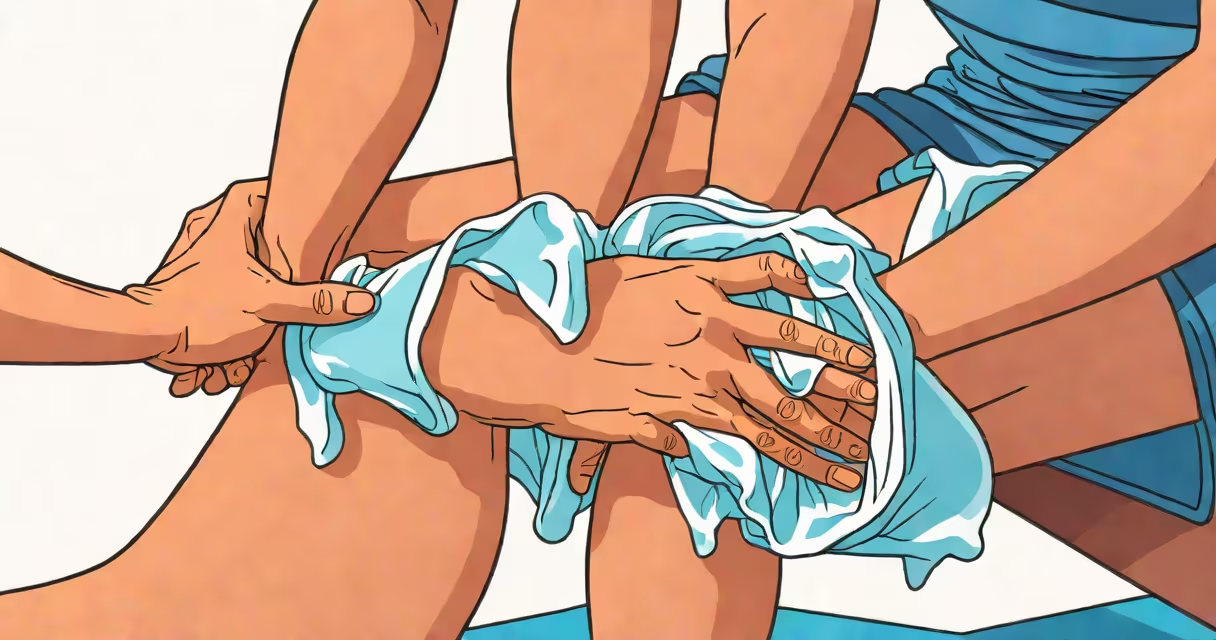
Help for a pulled muscle involves immediate rest, ice application, compression, and elevation (RICE) to reduce swelling and pain, followed by gradual movement and strengthening once acute symptoms subside. This approach applies to mild to moderate strains, typically resolving within days to weeks depending on severity.
A pulled muscle occurs when muscle fibers tear due to sudden stretching or overuse. The injury triggers inflammation, pain, and reduced function. Immediate help focuses on minimizing tissue damage and preventing further strain. Most cases involve the calf, hamstring, or quadriceps, though any skeletal muscle can be affected.
According to the American Council on Exercise (ACE), muscle strains account for approximately 30% of all sports-related injuries. Early intervention reduces recovery time and lowers risk of chronic issues. Ignoring symptoms often leads to prolonged discomfort or reinjury during activity.
The RICE method forms the foundation of early help. Rest stops movement that stresses the injured area, reducing further tearing. Ice applied for 15-20 minutes every 2-3 hours during the first 48 hours constricts blood vessels, limiting internal bleeding and swelling. Compression with an elastic bandage reduces fluid buildup. Elevation above heart level decreases pressure in the injured limb.
After the initial phase, gentle movement restores circulation and prevents stiffness. A 2019 study published in Journal of Sports Medicine found that patients who began light stretching within 72 hours of injury reported 30% faster return to normal activity compared to those who waited longer.
Over-the-counter NSAIDs like ibuprofen may reduce pain and inflammation, but they don't accelerate healing. They should be used sparingly and only if tolerated. Long-term use can interfere with tissue repair processes.
Help varies based on injury severity. Medical professionals classify muscle strains into three grades:
| Grade | Damage Level | Recovery Time | Common Help Methods |
|---|---|---|---|
| I | Mild stretch; few torn fibers | 1-3 weeks | RICE, light stretching, heat after 48 hours |
| II | Partial tear; significant pain and weakness | 3-6 weeks | RICE, physical therapy, crutches if needed |
| III | Complete rupture; loss of function | 6+ weeks, possibly surgery | Medical evaluation, immobilization, surgical referral |
Grade I injuries respond well to home care. Grade II requires professional assessment. Grade III demands imaging such as MRI to confirm diagnosis and rule out complete tears.
Many people mistake a pulled muscle for a cramp or tendonitis. Cramps are brief, involuntary contractions caused by dehydration or electrolyte imbalance. Tendonitis affects tendons, not muscle tissue. Symptoms differ: cramps resolve quickly; tendonitis causes pain with repetitive motion. Confusing them delays proper help.
Help for a pulled muscle is most frequently used in athletic settings, occupational environments involving heavy lifting, and daily activities like bending or climbing stairs. Over 5 million Americans seek medical attention annually for muscle strains, according to the CDC's National Health Interview Survey (2022).
For example, a runner who feels a sharp pull in their hamstring during sprinting likely experienced a Grade I strain. Immediate help includes stopping activity, applying ice, and resting. Returning too soon increases risk of worsening the injury. A 2021 study in Physical Therapy in Sport showed that athletes who resumed training before full recovery were twice as likely to suffer recurrence.
Workplace strains are common in construction and warehouse jobs. A warehouse worker lifting boxes repeatedly may develop a pulled lower back muscle. Proper help includes ergonomic adjustments, modified duties, and supervised rehabilitation. Employers who implement early intervention programs report 40% fewer lost workdays due to musculoskeletal injuries.
One widespread error is using heat too soon. Heat increases blood flow, which can worsen swelling in the first 48 hours. Applying heat prematurely may prolong recovery by up to five days, per a 2017 review in Frontiers in Physiology.
Another mistake is pushing through pain. Pain signals tissue damage. Continuing activity forces micro-tears to expand. A personal observation: during a weekend hike, I ignored a dull ache in my calf. By day two, swelling had increased, and walking became difficult. After applying RICE and resting, symptoms improved in 72 hours. Had I continued, recovery would have taken double the time.
Some assume that stretching the injured area speeds healing. Research shows that aggressive stretching in the acute phase increases scar tissue formation and weakens repaired tissue. Instead, start with gentle range-of-motion exercises after the first 72 hours.
Help for a pulled muscle is not one-size-fits-all. Treatment must align with injury grade, location, and individual health factors. For persistent pain beyond 10 days, consult a healthcare provider. Imaging may be needed to differentiate between muscle strain and other conditions like stress fractures or nerve entrapment.